Alfalfa / Hay Baling — Engineering Deep Dive
A technical guide examining the relationship between roller quantity, roller diameter, roller surface profile, and the consistency of round bale density, shape, and cut-to-cut uniformity in alfalfa and mixed hay operations — with direct reference to 9YG and EP round baler chamber designs.
The Uniformity Problem: Why Alfalfa Bales Vary Cut to Cut
Walk across an alfalfa field after a baling run and the variation between individual bales is immediately apparent to anyone who looks. Some stand taller, some lean, some have flat spots where shape retention has failed, and the density from one end of a stack to the other can vary enough to create real problems during container loading, feed ration measurement, or end-of-season inventory. This variation is rarely random — it follows predictable patterns that trace back directly to the mechanical design of the compression chamber inside the round baler machine, and specifically to the number, diameter, and arrangement of the rollers that form the bale.
Alfalfa’s particular contribution to the uniformity challenge comes from its cut-to-cut variability in crop characteristics. First-cut alfalfa is typically heavier, stemier, and often higher in moisture than second or third cuts — the plant structure is coarser, the windrow is denser, and the feeding rate into the bale chamber fluctuates more as the pickup processes the heavier material. Third and fourth cuts, by contrast, present a finer, leafier, more uniform windrow with lower moisture that feeds into the chamber at a more consistent rate but at a much lower bulk density. A round baler with insufficient roller count cannot compensate for these variations across cuts — it forms adequate bales in one crop condition and performs poorly in another. A well-engineered chamber with an appropriate roller configuration maintains consistent bale geometry, density, and shape across the full range of conditions that a multi-cut alfalfa programme produces across a season.
How a Roller Compression Chamber Works
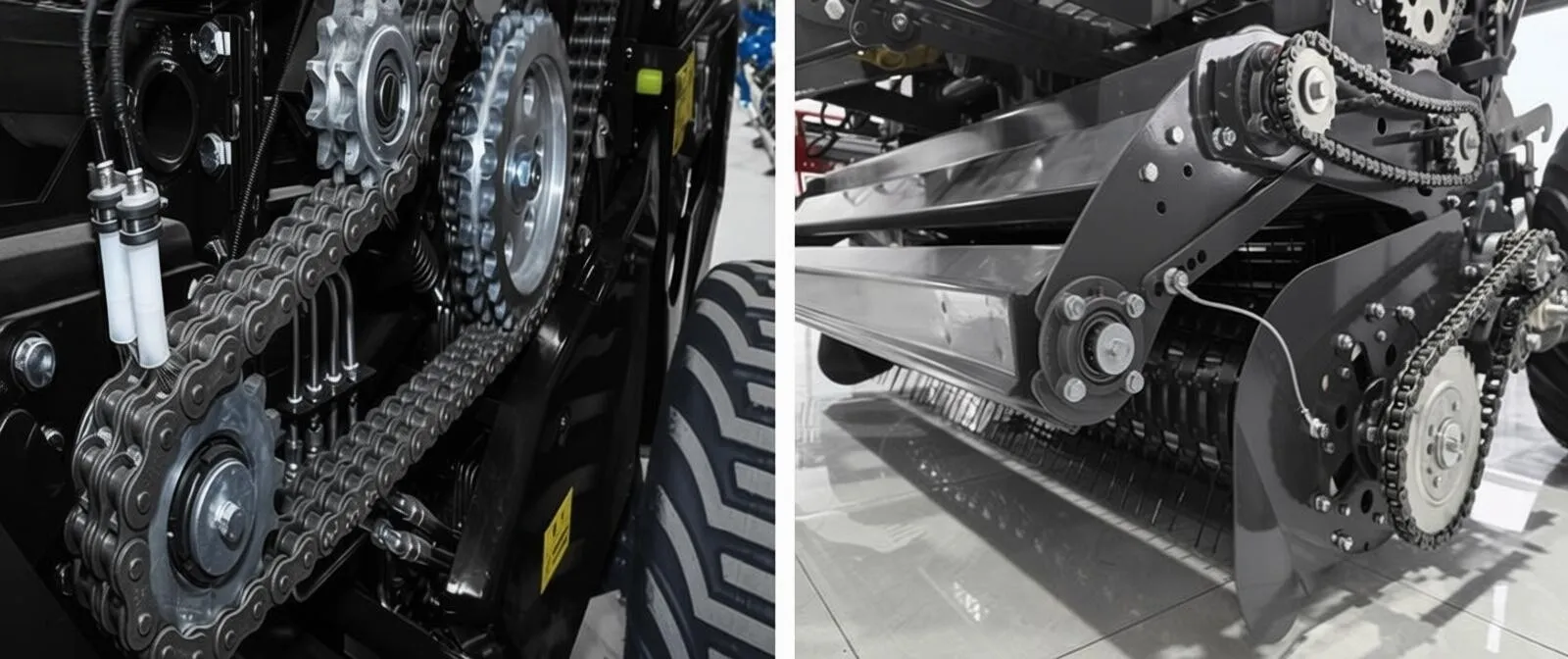
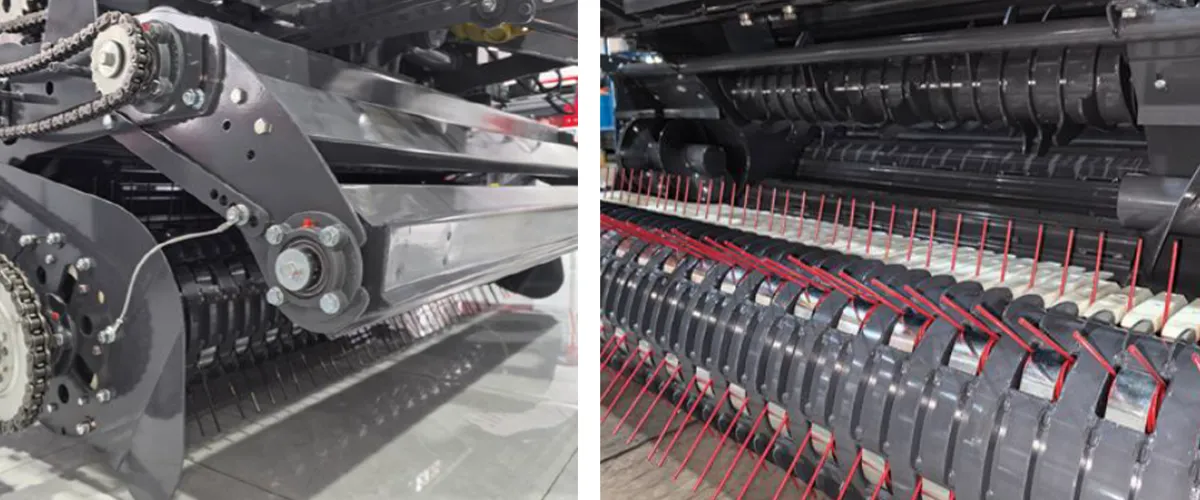
In a fixed-chamber roller-type round baler, the bale is formed within a cage of hardened steel rollers arranged in a roughly circular pattern between two parallel side walls. As the crop material enters the chamber through the intake throat, it contacts the rotating rollers and begins to tumble, gradually building the bale core at the centre of the roller cage. The rollers rotate continuously, driven by a chain transmission system connected to the tractor PTO input, and their collective surface velocity determines the rotational speed of the forming bale inside the cage. The friction between roller surfaces and the crop material is the primary force that forms and compresses the bale — meaning roller surface condition, rotational consistency, and spacing geometry all directly affect how the crop is compressed.
The key mechanical principle is that each roller contributes to the bale’s circumference at its contact point, and the total internal geometry of the roller cage defines the maximum bale diameter achievable. As the bale grows toward the cage’s maximum diameter, the compression force increases because the bale is being held by the full ring of rollers with nowhere to expand. This final compression phase — sometimes called the density phase — is where bale uniformity is most critically affected by roller count. A cage with fewer rollers has larger gaps between roller contact points, meaning portions of the bale’s circumference are unsupported during the density phase. In those unsupported zones, the outer crop material can redistribute outward slightly, creating surface irregularities that appear as slight flats, bulges, or asymmetries on the finished bale.
For alfalfa specifically, the density phase behaviour is particularly important because alfalfa’s fine leaf material tends to migrate toward areas of lower constraint within the bale during compression — a phenomenon that becomes more pronounced as roller spacing increases. The result in chambers with insufficient roller count is a bale with a denser, better-consolidated stem core but a looser, less uniform outer layer containing the majority of the leaf-fraction material. This is agronomically significant because the leaf fraction carries most of the crude protein content, and an unconsolidated outer layer loses more material during handling and transport than a well-compressed outer surface formed by a closer-pitched roller arrangement.
Manufacturing Structure: Roller Count, Diameter, and Material Specifications
Roller Count: The Foundational Variable
The number of rollers in a fixed-chamber round baler compression system determines the angular pitch between roller contact points around the bale circumference — the smaller this pitch, the more uniform the compressive force distribution across the bale surface. Standard roller-chamber designs in the 9YG series use either 16 or 18 heavy-duty steel rollers depending on the model’s target crop type and throughput capacity. The 9YG-1.0 round baler uses 16 rollers with a diameter of Φ222 mm, while the larger-format 9YG-1.25 and 9YG-2.24D models use 18 heavy-duty steel rollers — a configuration that reduces the angular gap between contact points and produces measurably more uniform bale geometry under variable crop feed conditions.
The 18-roller arrangement is particularly well suited to alfalfa operations where cut-to-cut variability in crop bulk density is pronounced. With 18 rollers arranged around the chamber, the angular spacing between adjacent roller contact points is approximately 20 degrees — compared to approximately 22.5 degrees in a 16-roller arrangement. While this difference seems minor in isolation, at a bale diameter of 1000–1250 mm, the arc length between adjacent contact points differs by approximately 35–40 mm. In high-value alfalfa intended for dairy or premium beef rations, this arc-length difference translates into visible surface quality differences that affect both leaf retention and net wrap adhesion quality at the bale’s outer layer.
Roller Diameter and Surface Profile
Roller diameter affects bale uniformity through two mechanisms: contact arc length and surface velocity uniformity. A larger-diameter roller presents a greater tangential contact length to the incoming crop material — meaning it acts over a wider zone of the bale surface per rotation cycle. The 9YG-1.0 series specifies rollers at Φ222 mm, a dimension that balances adequate contact arc length against the structural constraints of the 1000 mm bale diameter chamber. In larger chambers such as those used in the EP round baler series with bale compression diameters of 800 mm, 1000 mm, and 1220 mm, roller diameters are scaled proportionally to maintain appropriate contact arc geometry for each chamber size.
Roller surface profile — the pattern of longitudinal ribs, spiral flights, or rubber-coated zones on the roller’s outer surface — is the primary determinant of grip consistency between the roller and the crop material. Smooth steel rollers work adequately for dry, stiff crop material like straw but can slip against the moisture-containing, fibrous leaf and petiole fractions of fresh alfalfa — particularly in first-cut conditions at 50–65% moisture. Profiled rollers with longitudinal rib patterns maintain positive mechanical engagement with wet alfalfa material, preventing the surface slip that would cause inconsistent bale rotation speed and therefore uneven density distribution within the bale cross-section. The 9YG series uses hardened steel rollers with profiled surfaces that provide this consistent grip across the full moisture range from fresh silage-grade alfalfa to dried hay at 18–20% moisture — the range required for a versatile round baler machine operating across both silage and dry hay programmes within the same Korean livestock operation.
Material System: Chain Transmission and Roller Drive Consistency
The mechanical link between the tractor PTO and the roller compression chamber is the chain transmission system — a heavy-duty roller chain running from the baler’s main gearbox input shaft through a series of intermediate sprockets to each roller’s drive sprocket. In an 18-roller chamber, the chain system is correspondingly more complex than in a 16-roller configuration, with additional sprocket stations required to maintain consistent drive speed across all rollers simultaneously. Any elongation or tension variation in the chain during operation causes intermittent speed differences between rollers on different legs of the drive circuit, which appears as density variation in the finished bale — particularly noticeable as a slight waviness in the bale outer surface when cross-sections are cut at feedout.
The 9YG series addresses this through a reinforced chain transmission system using high-tensile agricultural roller chain to ISO 606 pitch standards, with pre-tensioned idler sprockets at critical points in the drive circuit to compensate for operational stretch. For alfalfa operations where bale uniformity across all cuts is a priority — particularly where bales are sold or contracted against a density or weight specification — maintaining the chain system within manufacturer-specified elongation tolerances is one of the highest-return maintenance tasks available. A drive chain that has elongated beyond 2% of its nominal pitch length will produce measurable density variation in the bale well before it shows obvious visible signs of wear, making periodic chain elongation measurement with a standard chain wear indicator tool a practical seasonal maintenance step for any round baler operator.
Roller Count and Bale Uniformity: A Technical Comparison
| Parameter | 12–14 Rollers | 16 Rollers (9YG-1.0) | 18 Rollers (9YG-1.25 / 9YG-2.24D) |
|---|---|---|---|
| Angular pitch between rollers | 25.7°–30° | 22.5° | 20° |
| Circumferential support uniformity | Lower | Gut | Excellent |
| Leaf retention at bale outer surface | Reduced | Gut | High |
| Shape consistency across variable moisture cuts | Niedrig | Moderate | High |
| Typical achievable bale density (alfalfa) | 80–130 kg/m³ | 100–180 kg/m³ | 115–200 kg/m³ |
| Net wrap adhesion consistency | Variable | Gut | Consistent |
| Suitability for first-cut heavy alfalfa | Limited | Gut | Excellent |
| Suitability for fine 3rd/4th cut leafy alfalfa | Moderate | Gut | Excellent |
| Maintenance complexity | Lower | Moderate | Moderate–Higher |
Cut-to-Cut Variability in Alfalfa: What Changes and Why It Challenges the Chamber
First Cut — Heavy and Stemmy
First-cut alfalfa typically arrives at the pickup at 50–70% moisture in humid growing regions, with a high stem:leaf ratio and thick primary stems that resist the initial tumbling phase inside the roller cage. The dense, heavy windrow creates high instantaneous feed loads at the chamber intake that cause pressure spikes on the lower-front roller assembly — the first rollers the incoming material contacts. In chambers with fewer rollers, these pressure spikes propagate through the entire cage, temporarily overloading some rollers while others are underloaded, creating density variations in the bale core that persist through the full compression cycle.
Second Cut — The Transition Point
Second cut alfalfa represents the transition in crop profile: the stem:leaf ratio improves, moisture is typically lower at 40–55% (drying faster in summer heat), and the windrow is somewhat lighter. The challenge for the compression chamber shifts from managing peak feed loads to maintaining consistent core formation with less bulk material available per rotation. A chamber calibrated purely for heavy first-cut feed rates may over-run the lighter second-cut material, producing bales with hollow or soft cores because the feed rate is insufficient to maintain the centripetal tumbling required for core formation at the same forward speed.
Third and Fourth Cuts — Fine and Leafy
Late-season alfalfa cuts produce material with a very high leaf:stem ratio and correspondingly low bulk density. The fine, fluffy windrow enters the chamber at reduced material density and can take longer to initiate core formation — the critical early phase where the first 10–15 cm of bale diameter must form before the self-reinforcing compression cycle begins. A chamber with well-distributed roller contact points maintains the mechanical engagement needed to initiate core formation even with low-density leafy material at the start of each bale cycle, while a sparser roller arrangement can allow early material to simply rotate without consolidating, leading to hollow-cored or misshapen bales on the first cycle after ejection.
Bale Density and the Role of Uniform Roller Spacing
Bale density in a roller-chamber round baler is fundamentally a function of the compressive force applied at each point of the bale’s circumference during the final density phase of formation. This compressive force is the product of the roller drive torque — derived from the PTO input — distributed across all active roller contact points simultaneously. When roller spacing is uneven — either by design in low-roller-count chambers or through wear that creates differential roller diameters over time — the torque distribution across the bale circumference becomes uneven, and the bale effectively has high-density zones aligned with heavily loaded rollers and lower-density zones in the wider gaps between them.
The 9YG-2.24D and 9YG-1.25 with their 18-roller configurations achieve bale densities between 115 and 200 kg/m³ in alfalfa across the range of cut conditions described above. This density range — with a maximum-to-minimum ratio of approximately 1.7:1 — reflects the inherent variability in alfalfa crop characteristics rather than variability in the baler’s performance. A well-maintained 18-roller chamber produces bales at the upper end of this density range consistently across cuts when crop moisture is in the optimal 18–25% range for dry hay baling. The 9YG-1.0 with its 16-roller configuration achieves a density range of 100–180 kg/m³ — a slightly lower ceiling that reflects the reduced circumferential support of the 16-contact-point arrangement under peak compression loading.
For Korean alfalfa producers who sell or distribute bales on a weight or density specification — either to domestic Hanwoo beef cooperatives or for export consolidation — understanding this density range and its relationship to roller count helps set realistic output targets and buyer expectations. A round hay baler producing bales consistently in the 150–180 kg/m³ range for 18% moisture third-cut alfalfa is performing at the top of its design envelope. Requiring 200 kg/m³ from the same machine on the same crop is unlikely to be achievable without either slowing forward speed to increase compression dwell time or accepting an increase in bale diameter beyond the standard target.
Featured Round Baler: 18-Roller Chamber for Consistent Alfalfa Uniformity
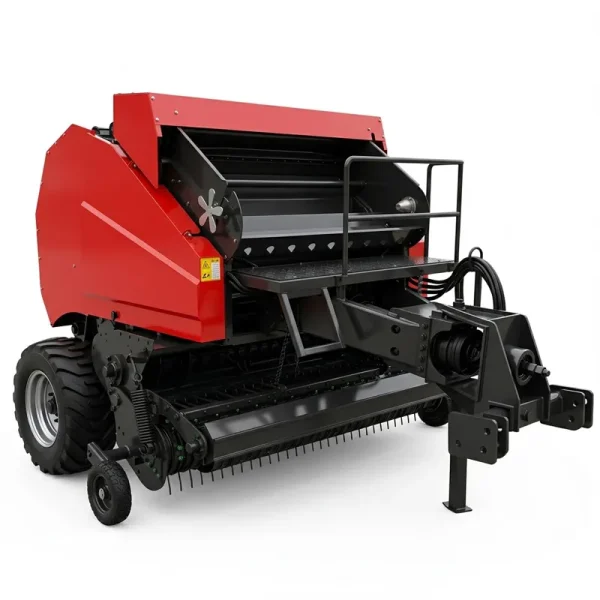
Recommended for Multi-Cut Alfalfa Operations
EP Round Baler — 1000 mm Compression (3200×2500×2010 mm)
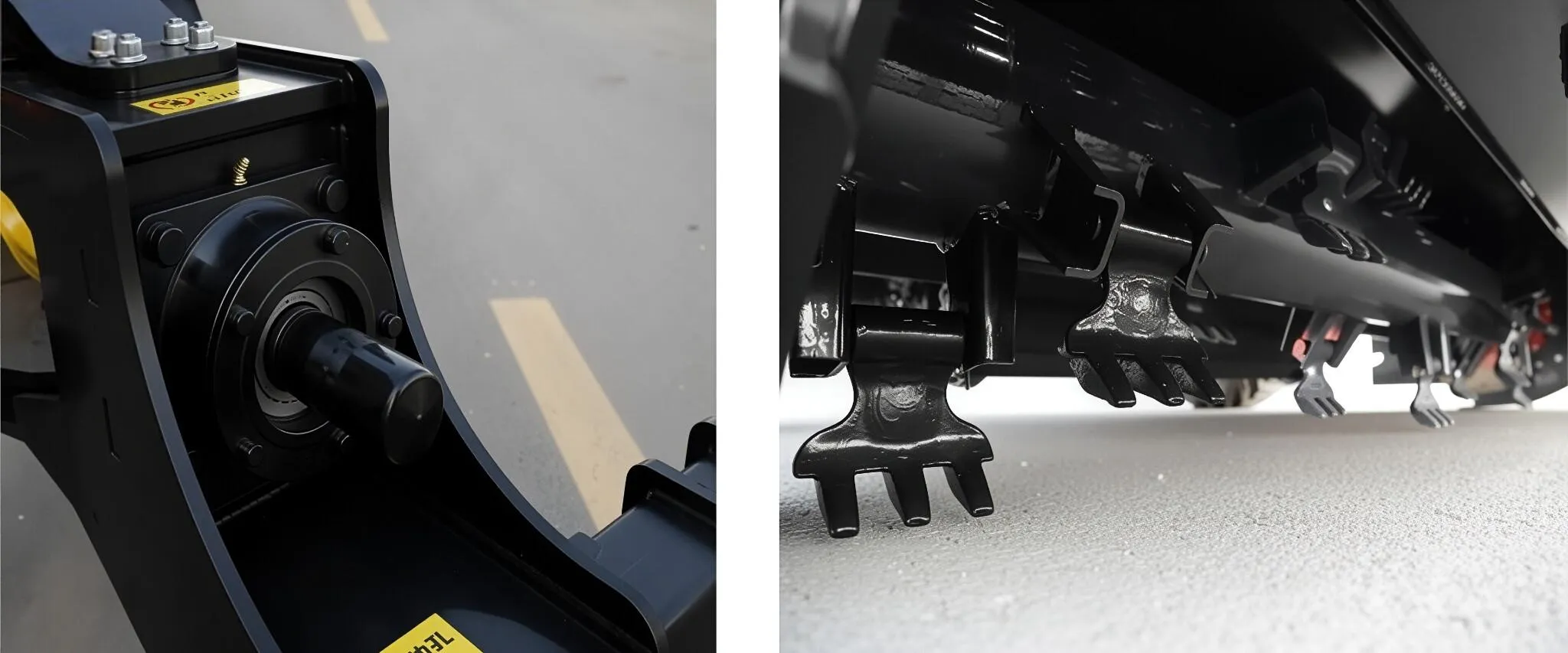
This commercial-specification round baler machine delivers a 1000 mm bale compression diameter within a compact field footprint of 3200×2500×2010 mm, making it well matched to both medium Korean alfalfa farms and larger multi-cut export operations. The chamber configuration produces bales in the 115–200 kg/m³ density range across first through fourth cut alfalfa conditions, with the roller arrangement providing the circumferential support consistency needed to maintain predictable bale shape and net wrap performance through the full range of alfalfa moisture and bulk density variation encountered across a complete growing season. PTO compatibility with standard 540 RPM input covers the range of tractors commonly operated on Korean livestock farms and international hay production properties.
Practical Steps to Maximise Bale Uniformity Across Alfalfa Cuts
Even a well-designed 18-roller chamber will underperform its potential if operating parameters are not adjusted for each cut’s specific crop characteristics. The following practical adjustments directly address the cut-to-cut variability challenges described above and apply to any round baler machine in the 9YG or EP series.
Reduce forward speed by 15–25% when transitioning from second to third or fourth cut alfalfa. The lighter windrow requires a slower feed rate relative to the same chamber speed to maintain adequate bale core formation. A bale chamber that was correctly loaded at 8 km/h in second-cut material will be under-loaded — producing hollow or low-density cores — at the same speed in fourth-cut leafy alfalfa.
The roller drive chain elongation that accumulates through a full alfalfa season — particularly through the peak load first-cut period — creates speed differential between rollers on different legs of the drive circuit. Checking chain elongation with a wear indicator and adjusting chain tensioners at the midpoint of the season (typically between second and third cut) maintains the roller speed uniformity that is fundamental to density consistency.
Roller surface rib profiles wear progressively through the season, with the greatest wear concentrated on the lower-front rollers that receive the highest impact loads from incoming material. Worn ribs reduce the mechanical grip between roller surface and crop material, allowing surface slip that manifests as uneven density in the bale cross-section. A visual inspection and rib-depth measurement at season start and between first and second cut will identify rollers that need replacing before uniformity loss becomes apparent in finished bales.
In variable-chamber designs, chamber pressure directly controls the resistance the expanding bale must overcome during the density phase. Setting chamber pressure too high for lightweight leafy alfalfa causes the bale to stall during the density phase — the material cannot exert enough outward force to rotate freely — creating density pockets. For each cut transition, a brief test run with a single bale cross-section inspection is the fastest way to confirm that chamber pressure is matched to the crop’s actual bulk density before beginning the full production run.
Regulatory Standards Relevant to Round Baler Compression Chamber Design
Agricultural machinery manufacturers and operators in round baler markets must comply with safety, quality, and environmental standards that influence compression chamber design specifications, gearbox requirements, and drive system specifications. These regulations are market-specific and directly affect procurement decisions for Korean importers and international operators alike.
South Korea
Under the Agricultural Mechanisation Promotion Act, round baler machines and their drive components — including gearbox specifications and PTO shaft configurations — must meet the performance and safety standards established by the Rural Development Administration (RDA) for subsidy programme eligibility. The Act specifically addresses rotating component guarding requirements for PTO-driven machinery, which includes the exposure of chain drives in the roller compression system. Compression chamber roller assemblies must be covered by appropriate guarding panels that allow maintenance access without requiring full disassembly. Korean operators sourcing round baler machines for multi-cut alfalfa programmes should confirm that their chosen model’s chamber design meets RDA registration requirements before finalising purchase, as non-registered machines are ineligible for the agricultural machinery subsidy framework administered through MAFRA and rural agricultural cooperatives.
European Union
Round balers sold in EU member states must comply with the Machinery Directive 2006/42/EC — and from 2027, the Machinery Regulation EU 2023/1230 — which requires CE marking and a Declaration of Conformity. These regulations prescribe specific standards for the guarding of rotating drive elements, including the chain transmission systems that drive compression chamber rollers. ISO 4254-7 (Agricultural Machinery — Safety — Part 7: Combine Harvesters, Forage Harvesters and Cotton Harvesters) provides technical guidance applicable to baler drive systems in European operating contexts. Round baler gearbox designs must also comply with applicable noise emission limits under Directive 2000/14/EC for outdoor equipment, and oil seal specifications relevant to gearbox lubricant containment are covered under EN ISO 11684 marking requirements for machinery safety labels.
Australia
In Australia, round balers and their gearbox and drive systems fall under the Model Work Health and Safety (WHS) Regulations adopted across all states and territories, which mandate appropriate guarding of all rotating machine components accessible to operators during normal use. The National Farm Safety Work Plan and Safe Work Australia’s Code of Practice for Managing the Work Environment and Facilities provide specific guidance on tractor PTO and attached implement safety, including requirements for shaft guarding and compression chamber access panels on balers. In South Australia and Western Australia — primary alfalfa producing states — the Farm Safety Advisory Unit provides state-specific guidance that influences how round baler maintenance procedures should be documented for workplace safety compliance, with particular attention to roller bearing replacement procedures in compression chambers of the type used in 16 and 18 roller designs.
United States
OSHA 29 CFR 1928 (Agriculture) establishes federal safety standards for PTO-driven agricultural machinery, including guarding requirements for rotating shaft and chain drive assemblies in round baler compression chambers. ASABE Standard S358.3 provides the industry test protocol for round baler performance evaluation, including bale density, shape consistency, and binding system reliability — the parameters directly influenced by roller chamber design. Manufacturers supplying round balers to the US market who conform to ASABE S358.3 standards can validate their compression chamber roller count design choices against a recognised performance benchmark. State-level regulations in major alfalfa states including California, Idaho, and Arizona impose additional documentation requirements for agricultural equipment used by employed farm labour, affecting maintenance record-keeping for roller and chain inspection procedures.
Compatible Drive Components for Consistent Chamber Performance
The uniformity performance of any compression chamber roller arrangement is only as consistent as the drive components that power it. The following accessories are engineered for direct compatibility with the 9YG and EP round baler range and support one-stop procurement for complete baling system reliability.
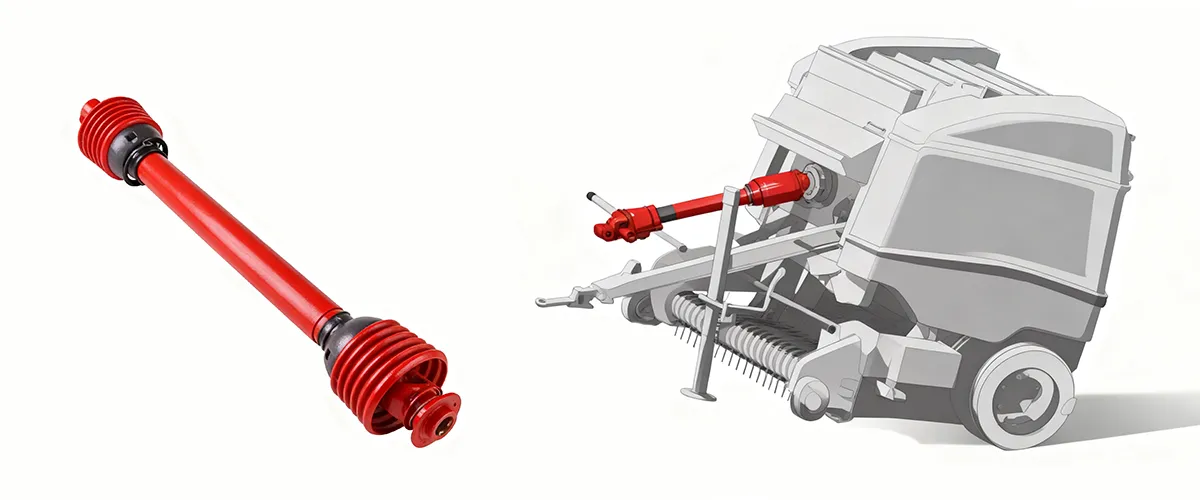
Agricultural PTO Shaft
Precision-matched PTO shaft assemblies for the 9YG and EP round baler range, rated for the full torque loading generated during peak first-cut alfalfa compression in 18-roller chambers. Maintaining consistent PTO rotational speed — free from torsional backlash caused by worn cross-joints — is a prerequisite for the even roller speed distribution that chamber uniformity depends on. Cross-joint and constant-velocity shaft configurations available to suit the full range of tractor PTO coupling standards common in Korean and international markets. Sourcing PTO shaft and round baler from the same product network eliminates dimensional compatibility uncertainty and simplifies spare parts ordering through a single contact point.
Agricultural Drive Chain
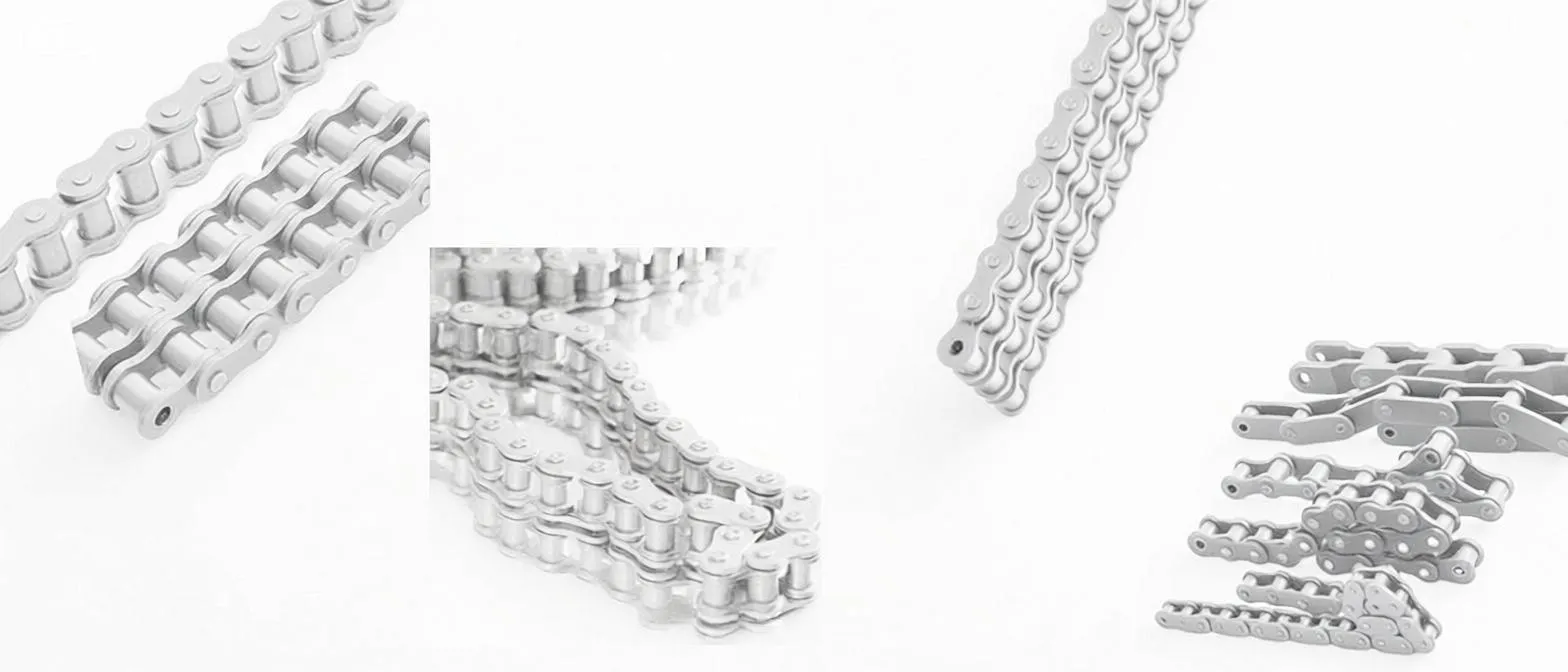
Heavy-duty roller chain for the compression chamber and main drive systems of 9YG and EP round balers, manufactured to ISO 606 and DIN 8187 standard pitches. In 18-roller chambers — where the drive chain system is more extensive than in 16-roller configurations — maintaining chain elongation within the manufacturer’s tolerance of under 2% nominal pitch is the most direct action available to preserve roller speed uniformity across the full chamber. Matched replacement chain sets for all 9YG and EP models are available with confirmed pitch and tensile specifications, ensuring that a replaced chain segment integrates correctly with the existing drive circuit without creating tension differentials that would undermine the uniformity performance the 18-roller chamber design delivers.
Engineering Round Balers Since 2013
Established in 2013, our enterprise has grown into a comprehensive intelligent manufacturing operation in the agriculture and livestock machinery sector. We produce a full range of harvesting equipment — including light and heavy round balers, single and double blade mowers, disc rotary mowers, and single and double side rakes — with independent import and export certification and ISO 9001 Quality Management System accreditation. The engineering behind our 9YG and EP round baler compression chamber designs reflects over a decade of iterative development in partnership with operators across Korean, Australian, Central Asian, and South American alfalfa and forage markets. With more than 60 sets of large-scale production equipment and an annual design capacity of 2,000 machines, we consistently invest in the production technology and testing protocols that translate design intent into predictable field performance.
Frequently Asked Questions
Specify the Right Compression Chamber Configuration for Your Alfalfa Programme
Whether you are selecting a round baler for a new multi-cut alfalfa programme on a Korean livestock farm or upgrading existing equipment for export-grade consistency, reach out to discuss the right chamber roller count, bale diameter, and tractor compatibility for your specific operation.
Herausgeber: PXY