In modern agriculture, the health of the soil is just as critical as the health of the crop. One of the most significant threats to soil structure is compaction, which occurs when soil particles are pressed together, reducing pore space. This restricts root growth, limits water infiltration, and decreases the overall biological activity within the earth. A primary contributor to this issue is the number of times heavy machinery traverses the field. This is where the efficiency of a high-performance empacadora redonda becomes a game-changer. By combining multiple harvesting steps into a single pass or minimizing the total trips required, farmers can significantly mitigate soil damage while boosting operational productivity.
The transition from traditional multi-pass harvesting to streamlined baling operations is not just about saving fuel; it is about sustainable land management. When you utilize a machine designed for high-capacity pickup and rapid baling, you reduce the cumulative weight exerted on the soil profile. This article explores the mechanical and operational reasons why fewer field passes lead to healthier soil, examining the specific engineering features that make this possible.
The Mechanics of Soil Compaction
To understand the solution, we must first understand the problem. Soil compaction is caused by the pressure exerted by machinery tires or tracks. When a tractor pulls a rake, then a separate baler, and perhaps a wrapper in subsequent trips, the soil undergoes repeated stress cycles. This is particularly damaging in the subsoil, where recovery is slow. A round hay baler that integrates efficient pickup mechanisms allows for the consolidation of these tasks. By optimizing the pickup width and feeding speed, the machine ensures that the tractor only needs to drive over a specific area once to complete the harvest.
Furthermore, the weight distribution of the machinery plays a vital role. Heavy, outdated equipment concentrates force on small contact patches. Modern engineering focuses on distributing the structural weight of the baler across wider axles and utilizing flotation tires. When a round baler machine is designed with these principles, the ground pressure (PSI) is lowered, preventing the crushing of soil aggregates even when the machine is fully loaded with a dense bale.
Engineering for Efficiency: Structure and Materials
The ability to reduce field passes relies heavily on the manufacturing structure and material system of the equipment. A robust chassis made from high-tensile steel allows the machine to handle higher throughput without structural failure. This means the operator can drive faster and pick up wider windrows without fear of clogging or breaking components.
High-Tensile Chassis
Utilizing Q345B structural steel provides superior yield strength compared to standard carbon steel. This allows for a lighter yet stronger frame, reducing the overall weight pressing down on the soil while maintaining the rigidity needed for heavy-duty baling.
Reinforced Drivetrain
El round baler gearbox is the heart of the machine. Heavy-duty, dual-sided chain drives and reinforced gearboxes ensure that power is transmitted smoothly even under high load, preventing downtime and allowing for consistent, high-speed operation across large fields.
Advanced Pickup Systems
Camless pickup tines and axial-feeding mechanisms reduce power consumption while increasing intake volume. This design minimizes the chance of blockages, a common cause of stopping and starting, which leads to repeated wheel traffic in the same spot.
Spotlight on Efficiency: The 9YG-2.24D Transcend
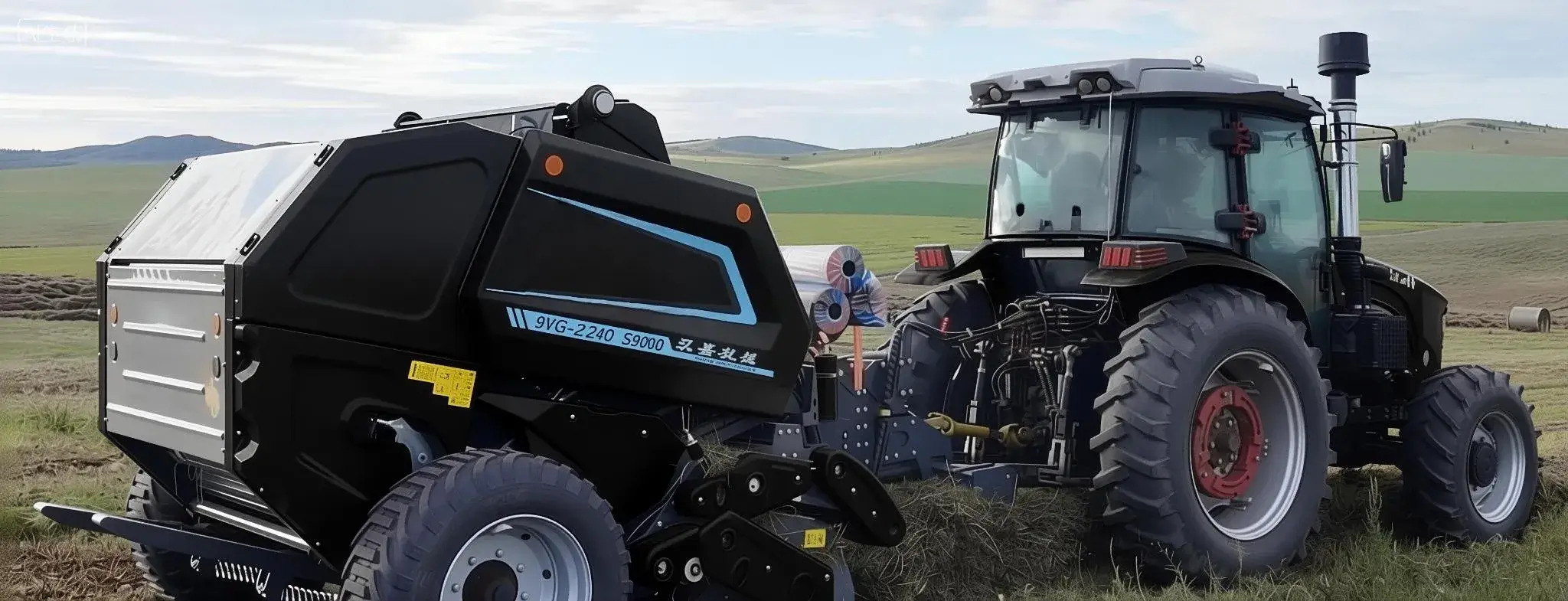
A prime example of engineering designed to minimize field passes is the 9YG-2.24D Transcend model. Its design directly addresses the challenges of soil compaction and operational efficiency. The machine features a unique double-joint gearbox that can rotate 90 degrees left or right. This significantly improves maneuverability during headland turns, allowing the tractor and baler to pivot tightly without the need to disengage the power take-off or make multiple corrective passes that churn up the soil.
Furthermore, its robust (traction device) is equipped with a safety torque transmission shaft. This innovation protects the entire drivetrain from shock loads often experienced when turning in small or irregularly shaped fields, a common scenario that can lead to breakdowns and repeated traffic. The hydraulic system uses H-type ferrule fittings for higher pressure tolerance, enabling faster opening and closing of the rear chamber, which streamlines the baling cycle.
| Especificación | Detail |
|---|---|
| Nombre del modelo | Empacadora de balas redondas 9YG-2.24D (S9000 Transcend) |
| Ancho de recogida | 2240 mm |
| Bale Size (Diameter x Width) | φ1300 x 1400 mm |
| Productividad | 40-100 bales/hour |
| Potencia requerida | 55-100 kW |
Navigating Global Regulations and Standards
Operating efficient machinery also means complying with international and regional safety and environmental standards. In South Korea, the Rural Development Administration (RDA) sets strict guidelines for agricultural machinery safety, including requirements for PTO shielding and emergency stop mechanisms, which are critical for high-speed operations. Similarly, the European Union’s CE marking ensures that machinery meets health, safety, and environmental protection standards, with specific directives covering noise emissions and operator controls.
In North America, the ASABE (American Society of Agricultural and Biological Engineers) develops technical standards for equipment design. Compliance with these standards ensures that a empacadora redonda is not only efficient but also safe for the operator and the environment. Adhering to these regulations often means incorporating features like reinforced safety chains, reliable braking systems, and clear warning labels, all of which contribute to a more professional and responsible farming operation.
About Our Expertise
With over a decade of experience in the industry, we have established ourselves as a leader in intelligent manufacturing for the agriculture and animal husbandry sector. Since our founding, we have been dedicated to producing a comprehensive range of harvesting machinery, from light and heavy-duty round balers to various mowers and rakes. Our commitment to quality is backed by ISO9001 certification and a continuous investment in advanced international production equipment, ensuring that every machine we build is designed for performance, durability, and efficiency.
Complete Your System
To ensure maximum efficiency and reliability, it is crucial to use compatible components. We offer a full range of spare parts and accessories designed to work seamlessly with our balers.
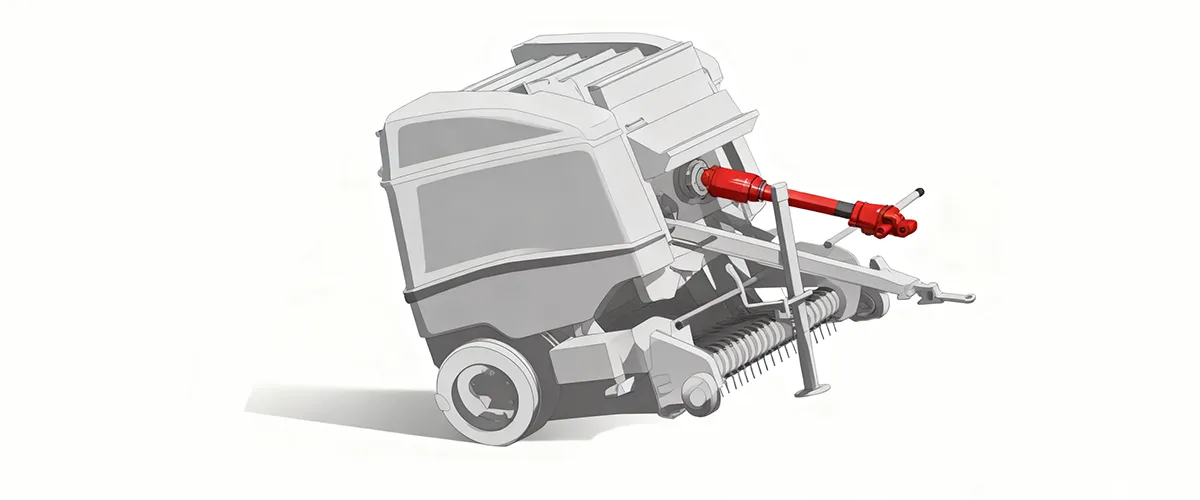
Agricultural PTO Shaft
A reliable power connection is essential. Our heavy-duty Agricultural PTO Shaft is engineered to handle the high torque requirements of modern balers, ensuring smooth power transmission from your tractor.
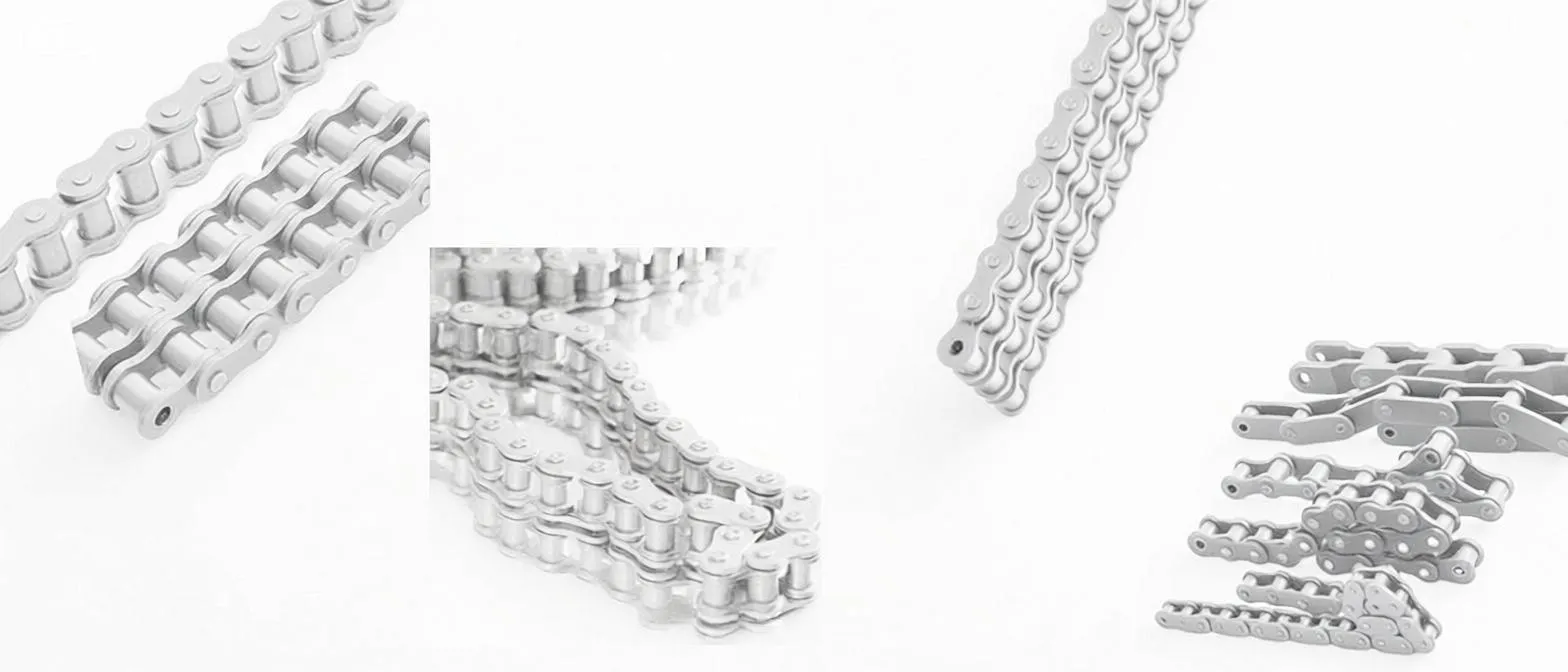
Heavy-Duty Agricultural Chain
The drivetrain is only as strong as its weakest link. Our reinforced Agricultural Chain is built for longevity and high-tension applications, reducing the risk of breakage during intensive baling operations.
Frequently Asked Questions
How does a round baler help in reducing soil compaction in Korean fields?
A round baler reduces compaction by consolidating harvesting steps. Instead of multiple passes with a rake, tedder, and baler, a high-efficiency round baler can often pick up and bale in fewer trips, minimizing the total weight and traffic exerted on the soil structure, which is especially important for preserving paddy field integrity after harvest.
What are the main parts of a round baler that affect its productivity?
The key components influencing productivity are the pickup width, the feeding mechanism (like rollers or augers), and the belt or chain system inside the chamber. A wider pickup and a clog-free feeding system allow for faster ground speed, while a reliable chain system ensures continuous operation without breakdowns.
Which round baler is suitable for a small farm with a 40 hp tractor?
For a 40 hp tractor, a mini round baler or a small round baler is the ideal choice. These models are designed with lower power requirements and a lighter frame, making them perfect for smaller operations without sacrificing the convenience of round bales.
Editor: PXY