Reed and Wetland Grass Baling — Technical Guide
A field-level engineering guide for wetland managers, biomass contractors, and round baler buyers working with Phragmites australis and similar reed species in Korean and East Asian riverbank environments.
Round baler reed baling sits at the intersection of wetland ecology management, biomass energy production, and traditional thatching supply — and it places demands on a round baler that are fundamentally different from hay or straw work. Common reed (Phragmites australis), which lines riverbanks, reservoir margins, and coastal wetlands across the Korean peninsula and throughout East and Southeast Asia, produces stems that are simultaneously tall (often exceeding two meters), stiff-walled with a silica-reinforced outer cuticle, hollow along most of the stem length, and bundled in extremely dense standing monocultures that can exceed 120 stems per square meter. Each of these properties creates a specific challenge for the pickup, feed, and compression systems of a round baler.
Yet mechanised reed collection using a round baler has become the preferred harvesting method for large-scale wetland reed operations because it dramatically outperforms manual bundling or loose-load transport on both cost and logistics grounds. A round bale of compressed reed weighing 200 to 400 kg per unit is stackable, transportable, and measurable as a product unit — making it tradeable as biomass fuel, sellable to thatching contractors, or usable as wetland restoration mulch — none of which is practical with loose or hand-tied bundles.
This guide examines the specific engineering challenges of handling reed in a round baler, the mechanical structures that address those challenges, the material systems that determine long-term durability in the high-abrasion, high-humidity environment of wetland harvesting, and the practical operating parameters that maximize bale quality and minimize mechanical downtime during the narrow winter reed harvesting window common to Korean and temperate-zone wetland operations.
1. Reed as a Round Baling Crop — Why It Behaves Differently from Hay and Straw
To understand why reed harvesting places unusual demands on a round baler, it helps to compare reed directly with the grass and straw crops that most baling machinery is designed around. Wheat straw has a stem diameter of three to five millimeters and a wall thickness that is substantial relative to the stem diameter. Ryegrass produces stems of one to three millimeters that are flexible and compact well under moderate compression force. Reed, by contrast, produces stems of six to fifteen millimeters in diameter with a hollow core and a hard silicified outer cuticle that resists compression in a fundamentally different way from solid or semi-solid grass stems.
When a hay windrow enters a round baler pickup, the stems bend easily around the tine tips and flow into the feed zone in a relatively compliant mat. When a reed windrow enters the same pickup, the stiff-walled stems resist bending and instead tend to orient themselves parallel to the tine tip direction rather than conforming around it. This means that a significant fraction of the reed stems in a typical windrow will be presented to the pickup broadside — at ninety degrees to the ideal entry angle — rather than longitudinally aligned, and must be forcibly redirected by the feed rotor rather than flowing naturally into the bale chamber. Balers without sufficient feed rotor torque for this redirection task become blocked at the chamber entry zone within minutes of beginning reed work.
The silica content of reed cuticle is the second major differentiator. Silica is an abrasive compound, and reed stems abraded against metal surfaces in the pickup, feed zone, and compression chamber wear those surfaces at a rate three to five times higher than typical grass or cereal straw under equivalent operating conditions. Spring tines, stripper bars, convergence auger flight edges, and compression roller surfaces all experience accelerated wear in reed service compared to their flat-field hay duty ratings. This wear factor must be accounted for in both the initial material specification of these components and in the maintenance intervals applied during reed harvesting seasons.
The third differentiating property of reed is its moisture behavior. Cut and dried standing reed — the typical harvested form in Korean winter wetland operations — has very low residual moisture, often below ten percent. At this moisture level, reed stems become brittle rather than flexible, and shatter into short sections when subjected to the compressive and bending forces of bale formation. The hollow stem cross-section provides limited resistance to crushing perpendicular to the stem axis, and this crushing behavior determines bale density in ways that differ from solid-stemmed forage crops. Understanding and managing these properties is the starting point for selecting and operating a round baler in wetland reed environments.
2. Mechanical Structure of a Round Baler for Reed and Wetland Crop Harvesting
2.1 Pickup Tine Design for Coarse Rigid Stems
The pickup tines on a reed-duty round baler must be significantly heavier in cross-section than those used in hay or silage duty. Reed stems present to the tine tip in random orientations, and a thin spring tine that bends under lateral contact with a broadside-oriented reed stem will deflect and slide over the stem rather than lifting it. The result is tines that skip across the top of the windrow — a specific type of pickup failure that reed operators describe as skating, where the pickup appears to work but tine engagement with the actual crop material is minimal. Tines with a wider base section and higher bending stiffness maintain their engagement angle with broadside-presented stems and generate sufficient lateral force to redirect the stem into the upward tine travel path.
Tine tip geometry also matters. Conventional hay tines use a curved tip profile that transitions the lifted crop over the tine crest smoothly. For reed, a sharper tip profile that penetrates between individual stems at the base of the windrow rather than lifting the mat as a unit reduces the force required to begin the pickup cycle and decreases the frequency of mat-bridging failures where a dense reed mat deflects off the pickup face rather than being penetrated.
2.2 Round Baler Feed Rotor Configuration for Hollow-Stem Redirection
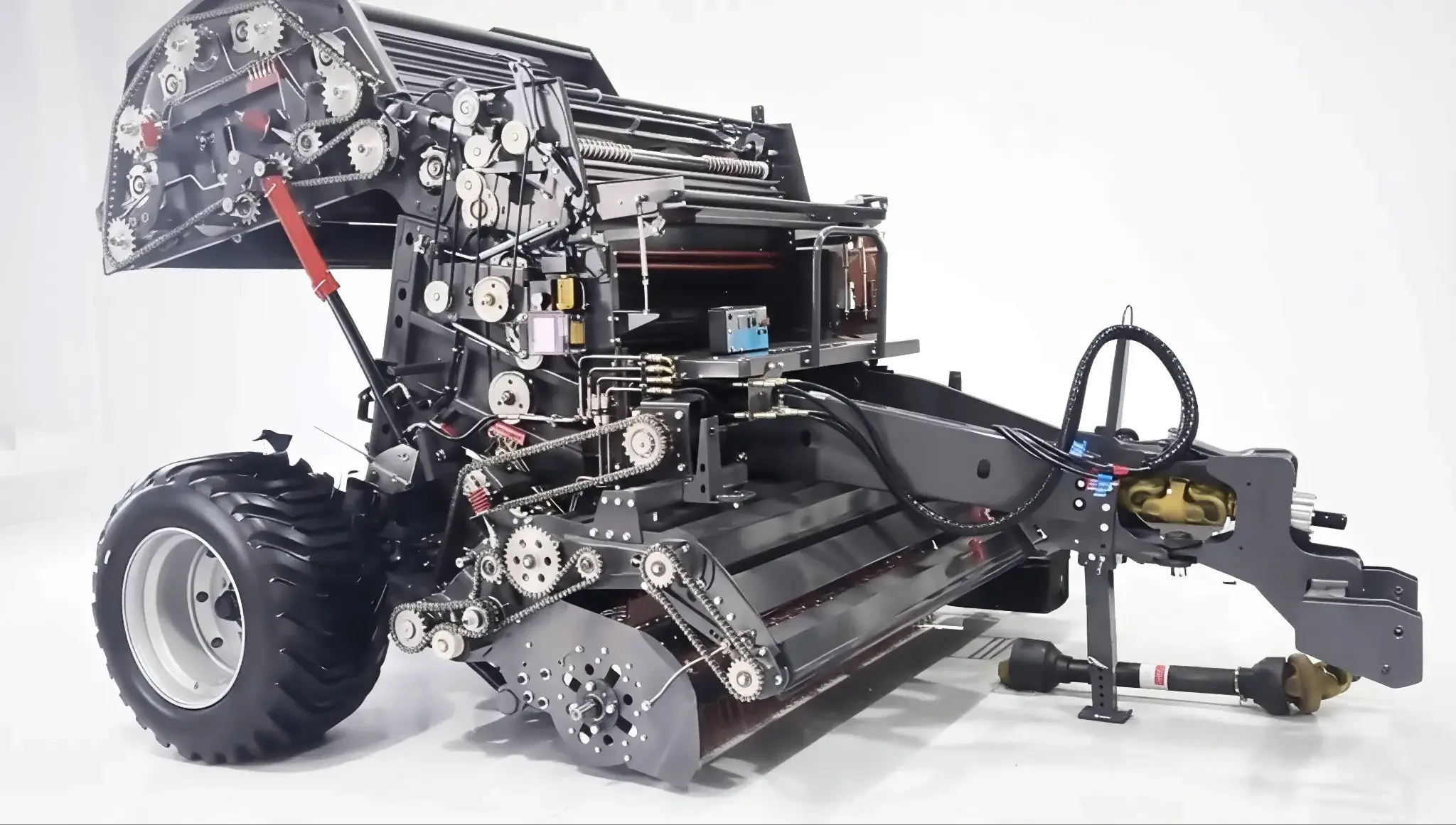
The feed rotor is the mechanical bottleneck in reed baling. As noted above, reed stems frequently arrive at the feed zone in non-longitudinal orientations and must be rotated to a longitudinal alignment before they can enter the bale chamber without blocking. A feed rotor with aggressive toothed flight geometry — like the dial-tooth roller configuration used in the 9YG-2.24D S9000 series — provides the mechanical grip on random-oriented reed stems that auger-only systems cannot achieve. The tooth geometry engages individual stems regardless of their approach orientation and generates a torque that rotates them toward the longitudinal direction during transit through the feed zone.
Feed rotor drive torque must be sized for the worst-case condition in reed: a full-width section of dense, broadside-oriented stems entering simultaneously. This peak torque event can be three to four times the average feed zone torque and must be accommodated by both the rotor drive shaft and the gearbox output that drives it. Undersized feed rotor drives shear their overload protection devices (shear bolts or slip clutches) repeatedly during reed work, causing significant productivity loss during a harvesting window that is already constrained by daylight hours and frost conditions.
2.3 Round Baler Bale Chamber Compression for Hollow Brittle Stems
Reed bale formation in a roller-type round baler proceeds differently from hay bale formation because the hollow stems crush laterally under compression rather than simply deflecting. This crushing behavior produces a bale with a different density profile from a hay bale of equivalent dimensions: the outer layers, where fresh stems are still being continuously added and have not been repeatedly compressed, remain at relatively low density. The inner core, which has been subject to the full compression cycle from the first-entered material, achieves higher density through the progressive crushing and interlocking of stem fragments.
For reed baling, the sensor-controlled bale density system becomes particularly important because the relationship between chamber pressure and bale density is non-linear in ways that differ from hay crops. A chamber pressure calibration developed for hay will systematically under-predict bale density for crushed-hollow reed stems and vice versa. Operators switching a round baler between hay and reed crops should re-calibrate the density sensor reference or use a factory reed preset if the machine’s control system offers crop-type selection.
3. Material System — Components Built for Reed and Wetland Harvesting Conditions
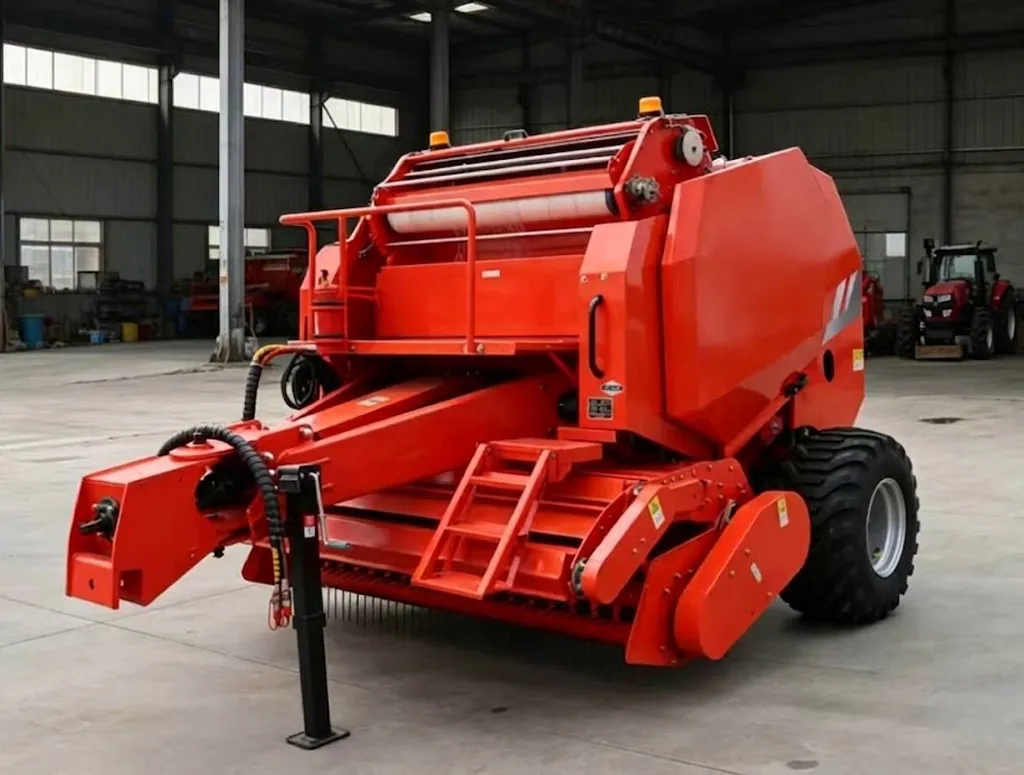
Reed harvesting imposes a combination of high abrasion from silica-rich stem surfaces, high humidity from wetland operating environments, and elevated peak loads from stiff-stem feed events that together demand higher material specifications than those used in standard hay or straw duty round balers. The following table covers the critical components and the material choices that determine service life in reed applications.
| Component | Material Specification | Reed-Specific Performance Role |
|---|---|---|
| Pickup Tines | 60Si2Mn spring steel, higher cross-section than hay tines, oil-tempered | Elevated bending stiffness resists lateral deflection from broadside-oriented reed stems; oil tempering maintains consistent spring characteristics through the high-cycle repeated engagement events of dense reed monoculture pickup |
| Tine Tips | Hardened alloy steel, HRC 50–55, penetrating profile | Surface hardness at HRC 50–55 resists the abrasive wear from silica-rich reed cuticle that would rapidly round off a softer tip; penetrating profile geometry enters dense reed mats at the stem base rather than skating across the mat surface |
| Stripper Bars | Wear-plate steel, hardened leading edge, smooth surface finish | Smooth finish reduces friction accumulation at the stripper bar face where hollow reed stem sections can catch and build up under the high pickup volume rates typical of dense reed windrows |
| Feed Rotor Teeth | Hardened alloy steel, bolt-on replaceable tooth design | Replaceable bolt-on design allows tooth replacement without rotor removal — critical in reed service where tooth wear rate is three to five times higher than hay service; hardened alloy steel maintains tooth edge geometry that provides stem orientation torque during feed zone transit |
| Compression Rollers | Alloy steel, machined, surface-treated with hard chrome or thermal spray coating | Hard chrome or thermal spray surface treatment extends roller surface life against the abrasive action of crushed silica-rich reed stem fragments that circulate in the bale chamber during compression; bare steel roller surfaces show significant groove formation after 200 to 300 hours of intensive reed work |
| Drive Chains | 20A heavy-duty roller chain, heat-treated pins and bushes, sealed-and-lubricated | Sealed-and-lubricated chain construction prevents reed silica dust from penetrating pin/bush clearances and causing abrasive wear from inside the chain; open-type chains show significantly reduced pitch life in reed service due to internal abrasive contamination |
| Main Frame | Q345B high-tensile structural steel, hot-dip galvanized key joints, epoxy primer plus polyurethane topcoat | Wetland operation exposes the round baler frame to significantly higher humidity and saline-mineral water contact than upland field use; hot-dip galvanizing at joints and epoxy-polyurethane coating throughout provide the corrosion resistance needed for multi-season wetland service life |
| Bearing Seals | Double-lip nitrile or Viton seals, labyrinth outer shields on exposed locations | Reed dust is both fine enough to pass standard single-lip seals and abrasive enough to cause rapid bearing race wear once inside. Double-lip seals with an additional labyrinth outer shield on pickup drum and feed rotor end bearings provide adequate exclusion without causing the frictional heat that would degrade thinner seal materials |
| Net Wrap System | UV-stabilized HDPE mesh, 2000 x 1.4 m roll, 25 to 35 kg/m tensile rating | Reed bales have a coarser, more irregular surface than hay bales and require net wrap with sufficient tensile rating to grip the stiff protruding stem ends without tearing at edge contact points; lower-rated hay-only net wrap can split at stem contact under the spring-back tension of compressed dry reed |
4. Reed Baling in the Korean Wetland Context — Season, Access, and Ecology
Korea’s wetland reed resources are concentrated along three primary landscape zones: the Han River downstream floodplain and its tributary networks in Gyeonggi Province; the extensive coastal reed marshes of Ganghwa Island and the West Sea tidal flat margins; and the reservoir and lake margins of inland impoundment areas throughout Chungnam and North Gyeongsang provinces. Combined, these zones produce substantial annual reed biomass that is either left in place — where it accumulates as standing dead material that increases wildfire risk — or harvested for biomass energy, traditional thatching, or wetland restoration substrate.
Korean reed harvesting is typically conducted in January and February, after the first hard frosts have killed the standing green reed and reduced stem moisture to below fifteen percent. This timing is ecologically preferred because harvesting dead standing reed does not disturb overwintering bird populations that use green reed beds as nesting habitat during the spring and summer seasons — a consideration that is increasingly regulated under Korean wetland conservation policy. It also produces the lowest-moisture reed, which compacts most efficiently in a round baler and produces the highest-density bales for biomass applications.
The access challenge in Korean wetland reed harvesting is significant. The ground beneath a mature Phragmites reed stand is typically waterlogged organic soil with a surface load-bearing capacity of only twenty to forty kilopascals — insufficient to support a standard agricultural tractor-baler combination during periods of mild thaw between frost events. Korean reed operations therefore typically restrict harvesting to hard-frost periods when soil surface freezing temporarily increases load-bearing capacity, or use modified ground pressure management including wide-flotation tire configurations and reduced machine weight strategies.
The round baler is better adapted to this weight constraint than a large square baler because a compact traction round baler paired with a medium-power tractor produces a combined ground contact pressure that can be within the operational range for frozen wetland margins, whereas the additional weight of a large-format square baler pushes ground pressure above safe limits for the same soil conditions. This ground pressure advantage is why the round baler has displaced square baler configurations in Korean wetland reed harvesting applications over the past decade.
5. Key Operating Parameters for Reed Baling — What to Set and Why
Reed baling requires operating parameter adjustments from the hay-crop defaults used for most of the year. The following table summarizes the critical adjustable parameters, their recommended settings for reed service, and the rationale for each adjustment relative to standard hay-crop settings.
| Parameter | Standard Hay Setting | Reed Baling Adjustment | Reason for Adjustment |
|---|---|---|---|
| Forward Operating Speed | 8 to 12 km/h | 4 to 7 km/h | Reduced speed gives feed rotor time to redirect broadside stems; high speed in reed causes blockage at chamber entry within minutes |
| سرعت انجمن اولیا و مربیان | 540 or 720 RPM | 720 RPM preferred | Higher PTO speed increases feed rotor tip speed, which improves stem orientation efficiency during transit through feed zone |
| Pickup Ground Clearance | 25 to 35 mm above ground | 15 to 20 mm — lower | Reed windrows on frozen wetland ground are flat and dense; insufficient tine penetration at normal clearance causes skating failure |
| Bale Density Target | 120 to 160 kg/m3 | 140 to 180 kg/m3 | Higher target density compensates for the hollow-stem spring-back that causes bale loosening after ejection; final stored density is typically 15 to 20 percent lower than the in-chamber density reading |
| Net Wrap Coverage | Standard 2 to 3 wraps | 4 to 5 wraps minimum | Reed bale spring-back after ejection is higher than hay; additional net wrap wraps compensate for the loosening tendency and keep the bale shape stable during transport |
| Lubrication Interval (chains) | Every 50 operating hours | Every 20 to 25 operating hours | Silica dust from reed cuticle penetrates chain joints and acts as an abrasive; more frequent lubrication flushes this contamination out and maintains pin/bush clearance |
| Tine Inspection Frequency | Weekly or 40 hours | Every 15 to 20 hours | Reed tine wear at tip is rapid; a tine that has lost its penetrating tip profile creates skating failure for the entire pickup section it covers |
6. End-Use Markets for Round-Baled Reed — What the Bale Must Deliver
The end use of a reed bale determines the quality parameters the round baler must achieve — and how the round baler is operated on each harvest day. Reed bales currently serve four primary markets in Korea and neighboring countries, and each has different requirements for density, moisture, and wrap integrity that flow back into round baler operating adjustments.
Biomass Energy Fuel
Reed bales destined for biomass boiler or co-firing facility use must meet moisture content specifications typically below fifteen percent (as-fired basis). Bale density determines transportation cost and storage footprint at the receiving facility. Most Korean biomass facility contracts specify minimum bale weight per unit, making the round baler’s ability to achieve consistent bale weights across variable reed windrow densities a direct commercial performance metric. Bales that are too light due to hollow-stem spring-back may be penalized under tonnage-per-unit contract terms.
Traditional Thatching Supply
Thatching-grade reed requires intact straight stems without crushing damage along the stem body. The compression forces in a round baler inherently crush some portion of hollow reed stems, particularly those that enter the chamber in broadside orientation. For thatching-supply operations, minimizing crushing damage requires using lower compression force settings and harvesting reed at its optimal moisture content — typically between fifteen and twenty-five percent — when stems remain flexible enough to deflect rather than shatter under bale compression forces.
Wetland Restoration Mulch
Reed bales used as restoration substrate or erosion control mulch in wetland rehabilitation projects are typically unbaled or re-spread at the destination. For this application, bale quality requirements are less stringent in terms of density and stem integrity, making it a suitable use for bales with higher than typical hollow-stem crushing. The round baler’s ability to achieve consistent bale dimensions for easy transport and handling is the primary quality metric for restoration material procurement contracts.
Livestock Bedding
In Korean livestock operations, particularly Hanwoo cattle housing in Gyeonggi and Chungnam provinces, reed is used as bedding material where straw availability is limited during winter. Reed bedding performs well in terms of moisture absorption and structural longevity under hoof traffic, though its sharp stem tips require slightly higher loading density in the bale to prevent bedding from compacting into needle-like layers that could cause hoof irritation. For this application, the round baler should target the middle of the density range — approximately 150 kg/m3 — to produce bedding that spreads evenly and covers without excessive stem tip exposure.
7. Recommended Round Baler for Reed and Wetland Crop Applications
For wetland reed harvesting, the round baler model that most directly addresses the reed-specific mechanical challenges described in this guide is the 9YG-2.24D Round Baler S9000, which offers several design features that directly correspond to the demands of tall, coarse-stem wetland crop baling.
9YG-2.24D Round Baler S9000 — Reed Application Specification Overview
The S9000’s dial-tooth roller plus drum-type feed system is the feature that most directly addresses the broadside-orientation feed challenge of reed stems. The mechanical tooth engagement on random-oriented stems provides the redirection torque that auger-based feed systems cannot generate on stiff hollow reeds. The dual-sided 20A heavy-duty compression chain and 18-roller compression chamber deliver the consistent high compression force needed to overcome reed hollow-stem spring-back and achieve the target bale densities required for biomass supply contracts.
The adjustable traction hitch with 1000 Nm rated capacity and 30-degree tilt adjustment is equally relevant to wetland harvesting as it is to hill terrain work — frozen wetland soil surfaces are rarely uniformly flat, and the tilt adjustment allows the baler frame to follow the micro-topography of the wetland margin without transmitting all terrain variation loads to the PTO driveline and gearbox input shaft.
| مشخصات | Value | Reed Harvesting Relevance |
|---|---|---|
| عرض برداشت | 2240 mm | Wide coverage reduces passes required per wetland strip; minimizes ground contact cycles on soft frozen margins |
| نوع دریافت | Spring Tooth, staggered rows | Multiple tine row stagger provides repeated lift attempts per unit windrow length; important for dense flat reed windrows on frozen soil |
| Feed System | Dial-tooth roller + drum type | Mechanical tooth engagement redirects broadside-oriented reed stems; prevents feed zone blockage from random-orientation reed ingestion |
| Compression System | 18 rollers, dual-sided 20A chain | High roller count and heavy chain provide compression force to overcome hollow-stem spring-back and hit biomass bale weight targets |
| Bale Size | Phi 1300 mm x 1400 mm | Full-diameter reed bale produces commercial-scale biomass units matching facility receiving specifications |
| Density Range | 100 to 200 kg/m3 | Upper range achievable with reed at correct moisture; sensor control allows density target adjustment for reed hollow-stem calibration |
| Traction Device | 1000 Nm, 30 degree tilt, 100 degree steer | Tilt adjustment follows frozen wetland micro-topography; protects PTO shaft from angular overload on uneven frozen margins |
| سرعت انجمن اولیا و مربیان | 720 RPM, 55 to 100 kW | 720 RPM input preferred for reed; higher rotor tip speed improves broadside stem redirection efficiency |
8. Regulatory Framework — Standards Governing Round Balers and Gearboxes in Reed Harvesting Markets
Reed harvesting in wetland environments introduces regulatory considerations beyond those applicable to standard agricultural baling. In addition to machinery safety standards for round balers and their gearboxes, wetland access and biomass handling regulations layer additional compliance requirements onto operators in Korean and international markets.
South Korea — Wetland Conservation Act and Machinery Standards
Reed harvesting in designated Korean wetlands is governed by the Wetland Conservation Act (습지보전법) administered by the Ministry of Environment. Operators harvesting reed in Ramsar-listed or Ministry-designated wetlands must obtain a wetland activity permit and may be subject to harvest timing restrictions to protect overwintering bird habitat. Agricultural machinery safety for round balers follows the Agricultural Mechanization Promotion Act standards administered by MAFRA, with round baler gearboxes evaluated under KS B ISO 6336 gear durability standards. PTO safety guarding must comply with KS B ISO 11684-1 through 11684-3. Biomass from wetland reed destined for energy use in Korea may qualify under the Renewable Energy Act (신재생에너지법) support scheme, with bale quality documentation required for verification.
European Union — Habitats Directive and Machinery Regulation
Reed harvesting in EU Natura 2000 designated wetland areas is subject to the Habitats Directive (92/43/EEC) and may require Environmental Impact Assessment before a round baler or other mechanical harvesting equipment is deployed. Round baler machinery itself must carry CE marking under EU Regulation 2023/1230, with gearboxes complying with EN ISO 6336 gear rating standards and PTO driveshafts under EN 12965. The EU Renewable Energy Directive (RED II, 2018/2001/EU) sets sustainability criteria for biomass used in energy production, and solid biomass from wetland areas must demonstrate it originates from sustainably managed land — a documentation requirement that applies to reed bale supply chains targeting EU biomass energy markets.
United States — Clean Water Act and ASABE Standards
In the United States, mechanical operations in wetlands that alter the substrate or hydrology may fall within Section 404 of the Clean Water Act requiring US Army Corps of Engineers permits. Reed harvesting that removes only standing biomass without soil disturbance generally does not trigger Section 404 permit requirements, but ground-contact operations in waters of the United States should be verified with local Corps districts before deploying round baler equipment. ASABE Standard S318 covers round baler machinery safety, with S296.6 governing PTO shaft specifications for the tractor-to-baler gearbox interface. State-level wetland regulations (e.g., Section 10 permits in some states) may impose additional access restrictions.
ISO Machinery Standards for Round Baler Gearboxes
ISO 8210 establishes terminology and test methods for round balers, including performance measurement protocols applicable to reed baling operations. ISO 6336-1 through 6336-6 govern gear load capacity calculation for baler gearboxes — relevant to reed operations because the higher feed zone torque loads in reed service can exceed the equivalent loads in hay service by a factor of two to three. ISO 4254-1 covers agricultural machinery general safety, and ISO 11684 covers safety sign requirements applicable to round baler pickup and feed zone guarding. Round baler gearboxes certified to ISO 6336 standards can demonstrate through documentation that their gear rating accounts for the peak load conditions encountered in dense-crop applications including reed.
Australia and New Zealand — Wetland and Machinery Standards
Reed and wetland grass harvesting in Australia falls under the EPBC Act (Environment Protection and Biodiversity Conservation Act 1999) for operations that could affect listed ecological communities, including some coastal reed bed communities in eastern Australia. Safe Work Australia’s machinery operation guidelines apply to round baler PTO driveshaft and gearbox safety requirements. New Zealand’s Resource Management Act 1991 governs any mechanical activity in or adjacent to natural wetlands, and resource consent may be required before deploying a round baler in a wetland reed harvest in New Zealand, depending on the size and ecological classification of the wetland area.
Japan — Wetland Act and Agricultural Machinery Standards
In Japan, reed (Phragmites australis) harvesting in designated marshland areas may require permission under the Natural Parks Act or Ramsar site management agreements. Agricultural machinery imported for use in Japan must comply with JIS agricultural machinery standards, which reference ISO 4254 and ISO 6336 for baler gearbox requirements. Round balers used in Japanese wetland reed harvesting for thatching supply or biomass energy must also comply with the Act on the Rational Use of Energy for commercial energy-production machinery classifications where applicable.
9. Reed-Duty Maintenance Schedule for the Round Baler
Reed harvesting compresses the annual wear cycle of critical round baler components into a short, intensive period. The Korean winter reed harvest typically spans six to eight weeks. Within that window, wear rates on abrasion-prone components run three to five times faster than equivalent hay service periods. The maintenance schedule below reflects these accelerated rates and is structured around the Korean winter harvest window.
| Interval | Round Baler Component | Action Required | Reed-Specific Note |
|---|---|---|---|
| Daily (before first pass) | Pickup tine tips | Check tip profile for wear rounding; replace tines that show tip radius greater than 3 mm | Rounded tine tips skate on flat frozen reed windrows; tip wear in reed is one to two tines per twenty operating hours versus one per hundred hours in hay |
| Every 20 hours | Drive chain lubrication and tension | Apply chain lubricant; check tension and adjust if slack exceeds specification | Reed silica dust penetrates chain joints and accelerates wear; lubrication at 20-hour intervals rather than 50 hours significantly extends chain service life |
| Every 20 hours | Feed rotor tooth inspection | Check tooth edge profile; replace teeth showing more than 30 percent material loss | Worn feed rotor teeth lose stem orientation torque efficiency; blockage frequency increases noticeably once teeth are 30 percent worn |
| Every 25 hours | Compression roller surface condition | Inspect for groove formation from crushed reed stem abrasive action; measure groove depth if visible | Grooves deeper than 1.5 mm on compression rollers indicate abrasive wear rate requiring surface restoration or roller replacement before bale shape quality degrades |
| At mid-harvest (3 to 4 weeks in) | Gearbox oil check and filter inspection | Check magnetic drain plug for particle accumulation; change oil if coarse metallic particles present | Reed operation generates higher feed zone gearbox output loads than hay; mid-harvest oil check catches developing gear face fatigue before in-field failure |
| Post-harvest (after season end) | Full round baler strip inspection | Full tine replacement, chain replacement, roller surface assessment, bearing check, gearbox oil change, frame corrosion inspection | Conduct this inspection before spring storage, not before the next season — problems found in spring can be addressed without harvest-window time pressure |
10. Compatible Accessories — Complete Drivetrain Supply for Reed Baling Operations
Reed baling places higher-than-normal demands on every component in the drivetrain system from tractor PTO to bale compression rollers. The accessories below complement the round baler range and are available as part of a complete one-stop supply approach for reed and wetland harvesting operations.
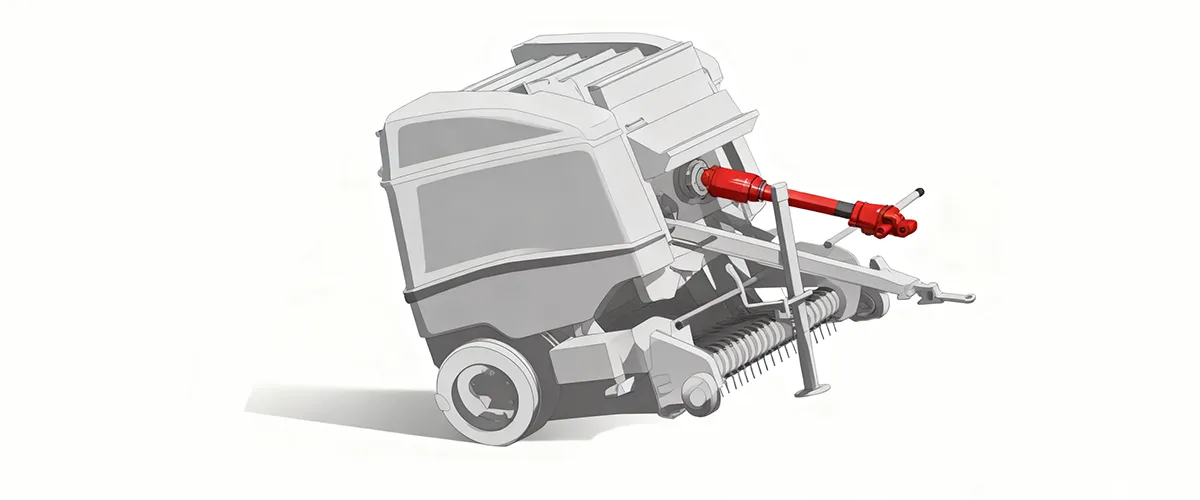
Agricultural PTO Shaft
The PTO shaft connecting tractor to round baler gearbox must accommodate the occasional angular loading events that occur when a wetland surface buckles or thaws unevenly beneath the machine. For Korean winter reed operations in late January and February where thaw-refreeze cycles create irregular surface conditions, a PTO shaft with double-Cardan joints provides velocity-constant power transmission at the off-axis angles encountered when the baler follows wetland margin micro-topography. The EP PTO shaft range for round balers includes models with adjustable length and overload clutch ratings compatible with the 1000 Nm traction device specification of the 9YG-2.24D series, ensuring the complete drivetrain is matched from tractor output to bale chamber drive.
Heavy-Duty Agricultural Drive Chain
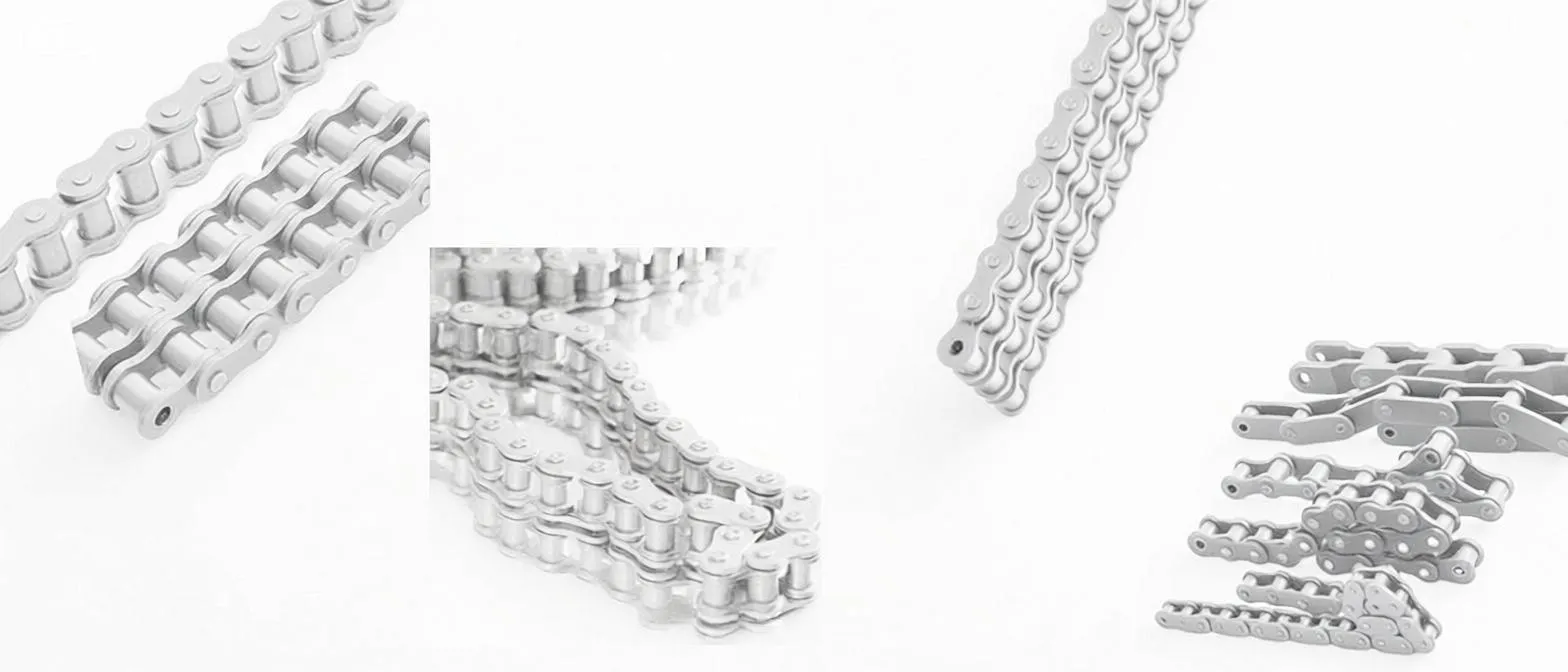
In reed service, the round baler’s internal drive chains face abrasive contamination from silica dust and peak load cycling from broadside reed stem ingestion events. Heavy-duty sealed roller chains matched to the round baler model specification maintain their pitch length through the higher contamination conditions of reed work, preserving the tine phase relationship and sprocket contact geometry that are essential for consistent pickup coverage and compression system reliability throughout the Korean winter harvest window. Using genuine heavy-duty chain rated for the application-specific peak loads of reed service — rather than standard commodity chain of the same nominal pitch — is the most cost-effective way to avoid mid-harvest chain failure in a wetland operation where replacement parts cannot always be sourced locally on short notice.
11. Ten-Plus Years of Agricultural Harvesting Machinery Production
Our operation has been producing agricultural harvesting machinery since 2013, building a product range and production capability matched to the real-world requirements of forage farming, wetland biomass harvesting, and crop residue management operations across global markets including Korea, East Asia, and beyond. Our round baler range covers the full spectrum of round baler applications from compact units suited to small-plot Korean paddy-adjacent operations through to heavy-duty traction balers with the drive system specifications needed for demanding applications including reed and coarse-stem wetland crop baling.
We operate under ISO 9001 Quality Management System certification with independent import and export trading rights. Our production facility runs more than 60 large-scale manufacturing machines covering CNC laser cutting, automated welding, plasma cutting, and electrostatic coating processes that produce consistent quality across an annual design capacity of 2,000 units. Our product range extends beyond round balers to include single and double disc mowers, disc rotary rakes, mower-conditioner units, and specialty harvesting equipment suited to the varied terrain and crop types encountered in Korean and East Asian agricultural operations.
After-sales support includes genuine spare parts programs covering all major round baler components — including the high-wear tines, drive chains, and feed rotor teeth that see accelerated consumption in reed service — along with user documentation, technical training for first-season operators, and annual field follow-up surveys during the Korean harvest seasons that inform ongoing machine development.
In Operation Since
2013 — Over 10 Years
Annual Production Capacity
2,000 Units Per Year
Manufacturing Equipment
60+ Large-Scale Machines
Quality Certification
ISO 9001 Certified
Looking for a Round Baler Built for Reed and Wetland Harvesting?
From compact round hay balers for small wetland plots to high-capacity round baler machines for large-scale Korean riverbank and reservoir margin reed operations — browse the complete range and connect with our team.
Frequently Asked Questions — Round Baler for Reed and Wetland Grass Baling
تدوینگر: PXY