Corn Silage / Stover Baling — Autumn Configuration Guide
A hands-on technical reference covering machine setup, pickup adjustment, chamber pressure management, gearbox care, crop-specific configuration, and the regulatory landscape for autumn stover baling across major agricultural markets.
Autumn stover baling is one of the most mechanically demanding tasks a round baler machine can face in a single season. When a field carries both standing corn residue and soybean straw simultaneously — a common situation in mixed-rotation systems across South Korea’s central plains and in many mid-latitude growing zones worldwide — the baler encounters two fundamentally different material types within the same windrow. Corn stover is coarse, stemmy, and high in lignin. Soybean straw is brittle, short-fibred, and tends to shatter into fine particles that flow differently through the pickup and chamber. Managing these two materials through the same round baler configuration without excessive adjustment downtime is a skill that separates high-efficiency autumn operations from frustrating, stop-start campaigns. This guide builds a systematic framework for that configuration — from pre-season machine preparation through field-level settings — and addresses the crop physiology, machine mechanics, and regulatory context that operators need to make good decisions in the field.
Understanding the Mixed Corn-Soybean Stover Challenge
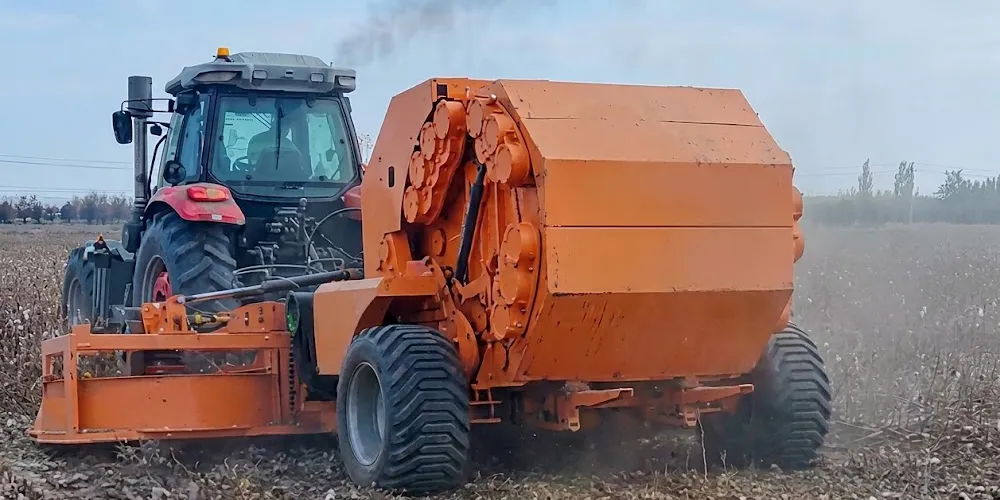
The physical contrast between corn stover and soybean straw is sharper than most operators initially appreciate. Corn stalks at autumn harvest typically range from 1.5 to 2.8 metres in length, with outer stalk diameters between 15 and 30 mm. They carry significant structural rigidity — the stem wall remains partially green and fibrous even after the grain has dried, which means the material resists buckling and tends to orient longitudinally inside the chamber rather than cross-layering the way shorter-stemmed grasses do. This longitudinal stacking is the root cause of the uneven bale density seen in corn-only operations: the centre of the bale fills slowly while outer edges compress readily.
Soybean straw presents a completely different set of problems. The pods and stems are short, branching, and so brittle after dry-down that the pickup tines and auger system effectively shatter a significant fraction of the material into leaf and pod fragments under 50 mm in length. This fine fraction flows freely into the chamber and fills air pockets between corn stalks — which actually assists bale density in theory — but it also creates a fine-dust operating environment that accelerates grit contamination of bearings and chain lubrication systems. Operators who maintain a round baler well for hay baling often find that a season of mixed soybean-corn stover baling has accelerated wear on bearing seals, chain plates, and pickup tine rubber mounts.
Understanding both materials as a composite system — not as two separate problems to switch between — is the starting point for correct machine configuration. The goal is a baler setup that handles the longest corn stalk without bridging at the intake while still capturing the shortest soybean fragments without excessive loss at the pickup header.
Manufacturing Structure: What the Machine Needs to Handle Both Crops
Not every round baler machine on the market is equally suited to mixed stover baling. The mechanical design choices made during manufacturing determine how well a machine copes with the dual challenge of coarse-stemmy and fine-brittle residue in the same run. The following table identifies the key structural elements that differentiate machines well-suited to autumn mixed stover work from those designed primarily for clean hay baling.
| Structural Element | Specification for Mixed Stover Work | Why It Matters |
|---|---|---|
| Pickup Header Type | Cam-less spring-tooth or Hammer Claw interchangeable design, min. 1.9 m wide | Hammer Claw lifts lodged corn stalks aggressively; spring-tooth recovers fine soybean fragments from soil surface |
| Feed Auger | Spiral-flighted, hardened tine tips, semi-forced axial flow design | Prevents corn stalk bridging at the intake throat; pushes bulky material into chamber without jamming |
| Compression Rollers | 16–18 × heavy-duty steel rollers, Φ222 mm diameter, profiled surface grip | Distributes radial compression evenly; profiled surface grips both fine and coarse material |
| Rear Gate System | Hydraulic accumulator-controlled gate, adjustable 100–220 bar range | Allows rapid pressure changes when transitioning between dry soybean straw and damper corn stalk windrows |
| Chassis Frame | Heavy-section welded steel; 3,000–3,922 kg structural mass for large models | High structural mass reduces vibration from corn stalk slug-feeding; stabilises bale symmetry on uneven terrain |
| Chain Drive System | Reinforced roller chain, lubricated via auto-lube system, shear-bolt overload protection | Corn stalk slugs create torque spikes; shear-bolt protects gearbox from damage during slug events |
| Net Wrap System | Auto-tension dispenser; fast wrap cycle under 15 seconds | Soybean straw surface is slippery; slow wrapping allows bale surface to relax and unravel before net is secured |
| PTO Driveline Connection | 540/720/1000 RPM input options; overrun clutch standard | Overrun clutch prevents back-driving after gate opens; correct PTO speed critical for roller grip performance |
The 9YG-1.25 series represents a good example of a machine whose manufacturing architecture addresses the mixed stover challenge deliberately. Its interchangeable Hammer Claw and Spring Tooth pickup heads allow the operator to match the primary crop type without purchasing a second machine, while the semi-forced axial flow feed system handles the transition from loose soybean fragments to rigid corn stalks within the same windrow pass without requiring manual intervention at the intake throat.
Material System: How Corn Stover and Soybean Straw Behave During Compression
Inside the round baler compression chamber, mixed corn-soybean stover does not behave as a homogeneous mass — it segregates by particle size and stiffness. The long corn stalks tend to align tangentially around the growing bale core, forming structural arches that resist further compression in the radial direction. The shorter, shattering soybean particles fill the voids between those arches, acting in some respects as a natural gap-filler. This combined behaviour can actually produce more uniformly dense bales than corn stover alone — but only if the feed rate and gate pressure are calibrated to allow the fine fraction to fill the interstitial gaps before the gate is forced open by bulky stalk accumulation.
The moisture content differential between the two crop fractions is a further complication. In a typical South Korean autumn harvest beginning in late September and running through October, corn stover at the stalk has a moisture content of 50 to 65% while the soybean straw in the same windrow may have dried to 15 to 25% — a range of 40 percentage points in the same bale. This creates significant variation in the mechanical behaviour of the composite material and means that a gate pressure setting optimised for the dry soybean fraction will under-compress the wetter corn stalks, while a setting optimised for wet corn can mechanically shatter the already-brittle soybean pods and further increase the fine-particle dust load on bearings and seals.
The practical solution adopted by experienced operators is to windrow the two crops separately when field layout allows, baling the corn stover first at higher moisture and the soybean straw separately at the end of the day when it has re-dried from any overnight dew. When field conditions force mixing in the same windrow, the recommended approach is to aim for a gate pressure setting that manages the corn stover — typically the heavier and more problematic fraction — and accept slightly lower density in the soybean portion.
Pre-Autumn Configuration: What to Check Before the Season Starts
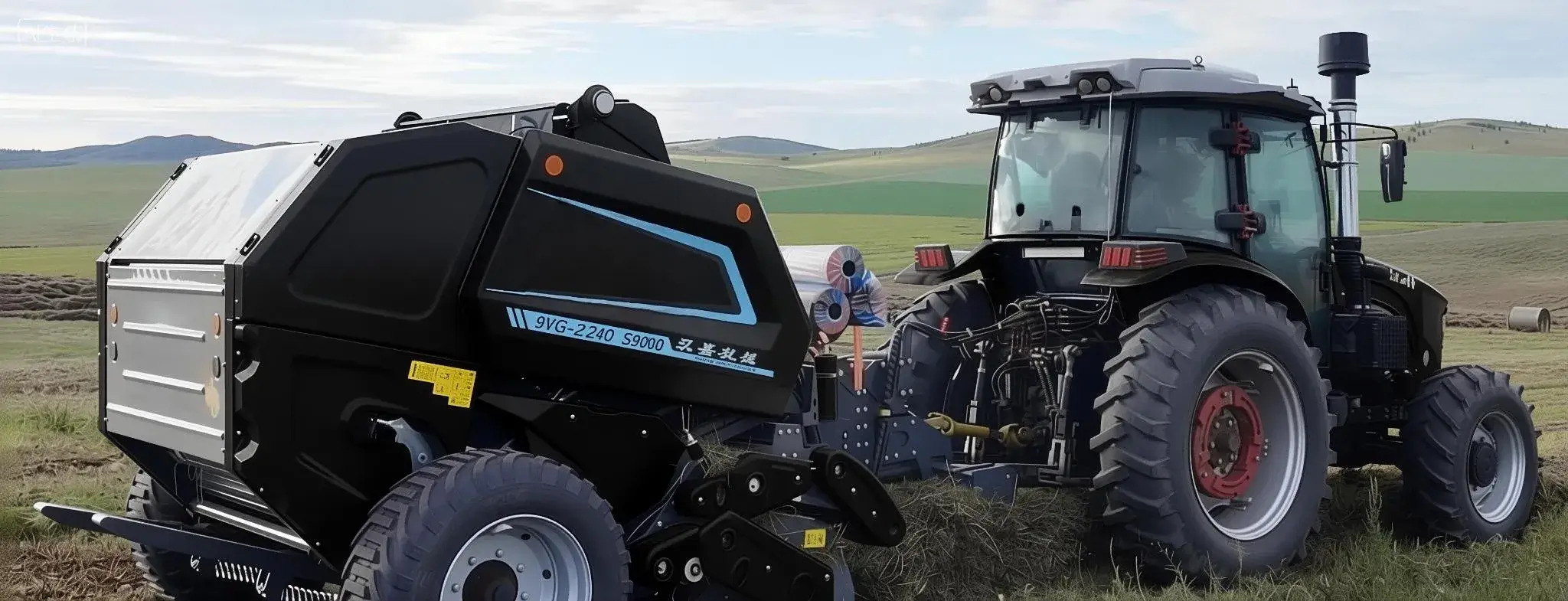
Reconfiguring a round baler for autumn stover work after a season of hay baling requires a systematic inspection that goes beyond a general visual check. Many of the wear points that cause problems in stover work are different from those that fail during clean hay operations, and they often appear in good condition under casual inspection but are already at or near the service limit under the higher loads of stover baling. Run through the following sequence in the workshop before taking the machine to the field.
Pickup Tine Inspection and Replacement
Autumn stover baling puts pickup tines through approximately three times the wear of clean grass hay, because tines are dragging material off hard, compacted soil surfaces rather than lifting from a soft, aerated hay swath. Measure tine tip wear against the new-part specification in your manual — tines worn more than 15% of their original length should be replaced before autumn work begins. Pay particular attention to the root flexion zone on rubber-mounted tines, where soybean dust and corn fibre accumulation accelerates micro-crack formation that can cause sudden breakage in the field.
Roller Chain Tension and Lubrication
The roller drive chain in a round baler gearbox system is sized for a specific load range. After a hay season, measure chain sag at the mid-span of the longest chain run — anything beyond 2% of span length indicates stretching that will cause shock loading in stover baling. Re-tension or replace as needed. If the machine uses an auto-lubrication system, verify that the lube reservoir is full and the distribution lines are clear. Soybean dust from the previous season can partially block fine lube lines, causing dry spots on individual roller bearing journals that accelerate wear during the high-torque demands of corn stalk processing.
Hydraulic Accumulator Pre-Charge Verification
The hydraulic accumulator that smooths gate pressure delivery loses nitrogen pre-charge pressure at a rate of roughly 3 to 8 bar per year even without visible leaks. A correctly pre-charged accumulator typically holds 60 to 80 bar nitrogen pressure when the system hydraulic pressure is zero. Check with a dedicated accumulator gauge — not the system working pressure gauge. An under-charged accumulator allows gate pressure spikes from corn stalk slug-feeding to reach the hydraulic cylinders directly, causing rapid seal wear and gate chatter that produces inconsistent bale density.
Pickup Header Swap or Adjustment
If your round baler uses an interchangeable pickup system, autumn mixed stover work usually calls for a decision between spring-tooth and Hammer Claw configurations. If the windrow contains predominantly long, standing corn stover, the Hammer Claw is the better choice — it shatters the tough root collar and lifts the stalk from the soil more aggressively than spring teeth. If the windrow is predominantly flat-laid soybean straw with scattered corn residue on top, the spring-tooth configuration recovers the fine fraction more completely and causes less soil contamination of the bale. For truly mixed windrows, the spring-tooth with the crop deflector plate adjusted to maximum height tends to give the best overall performance across both material types.
Round Baler Gearbox Oil Change
The round baler gearbox operates at higher sustained torque during stover baling than during hay operations, and gear oil that is still visually clear from a hay season may already contain fine metal debris from normal gear contact and seal particles from heat cycles. Drain and refill with the manufacturer-specified viscosity grade for autumn ambient temperatures — in South Korea’s October harvest period, evening temperatures in Chungcheong and Gyeongbuk provinces can drop to 5 to 10°C, which is well within the pumpability range of most standard agricultural gear oils but may require adjustment if an older, thicker spec has been in use.
Step-by-Step Field Configuration for Autumn Mixed Stover Baling
With the machine pre-season inspection complete, the field configuration follows a specific sequence that allows each setting to be verified before the next is applied. Rushing through this sequence — particularly on the first morning of the autumn season when time pressure is highest — is the most common cause of poor bale quality across an entire run.
| Setting | Starting Point for Mixed Stover | Adjustment Trigger |
|---|---|---|
| سرعت انجمن اولیا و مربیان | 540 RPM at tractor PTO shaft | Reduce to lower-bound if chain noise increases; never increase above rated maximum |
| Ground Speed | 5–7 km/h on typical mixed windrows | Slow to 4 km/h if slugging at intake; increase to 8 km/h on thin, clean soybean-only windrows |
| Gate Pressure — Corn-Dominant | 150–170 bar | Increase by 10 bar if bale core is noticeably soft on probe; reduce if PTO torque exceeds normal |
| Gate Pressure — Soybean-Dominant | 170–200 bar | Reduce if bale weight drops below expected range; brittle straw responds to higher pressure poorly |
| Gate Pressure — True Mixed | 155–175 bar; weighted toward corn setting | Accept slight density variation; prioritise keeping corn stalks compressed over optimising soybean fraction |
| Pickup Height | Tine tips 25–35 mm above soil surface | Lower slightly on firm, dry soils to recover more soybean fragments; raise on soft soils to avoid soil contamination |
| Net Wrap Layers | 2 layers standard; 3 layers if bale contains high soybean fraction | Extra wrap layer compensates for slippery soybean pod surface reducing net adhesion |
| Bale Eject Delay | Standard; do not delay beyond wrap completion | In cold morning conditions, wait for full chamber pressure to stabilise before triggering ejection |
Recommended Machine for Autumn Mixed Stover Operations
دستگاه پرس بیلر گرد 9YG-1.25A
The 9YG-1.25A is designed as a balanced performer across a range of autumn crop residues, with particular strength in handling the coarse-stemmy/fine-fragment mixture typical of corn-soybean stover windrows. Its pickup system handles standing corn stalks without pre-shredding, while the roller chamber applies even radial compression that captures both the long-stalk fraction and the short soybean residue in a single bale of consistent density. The machine’s bale weight range of 200 to 400 kg depending on moisture content and crop mix gives good handling flexibility for farms managing both tractor-mounted spike and front-loader bale handling systems. Net wrapping is automated, reducing the per-bale time commitment that multiplies across a high-volume autumn run, and the drive system is engineered with the torque margins needed to handle the sudden resistance surges that occur when a slug of entangled corn stalks enters the chamber at once.
Mixed Stover Ready
Auto Net Wrap
CE & ISO Certified
Round Baler Gearbox and Drivetrain Management During Autumn Stover Work
The round baler gearbox is the mechanical heart of the drivetrain, and autumn stover baling puts it under conditions that hay operations simply do not replicate. The fundamental issue is duty cycle and torque profile. During hay baling, PTO input torque rises gradually as the bale grows and falls smoothly when the gate opens for ejection. During mixed corn-soybean stover baling, the torque profile is jagged — corn stalk slugs create sharp torque peaks of 20 to 40% above the rolling average, and the transition between the two crop types causes brief periods of erratic loading as the chamber content changes composition.
Managing the gearbox through this environment requires attention to three specific areas. First, oil temperature: check the gearbox housing temperature by hand after the first two hours of autumn operation. A correctly operating gearbox running on appropriate oil at autumn ambient temperatures should feel warm but not hot to the touch — a temperature you can sustain contact with for at least 3 seconds. A housing that is too hot to touch indicates either incorrect oil viscosity, a blocked oil passage, or a bearing failure in early stages. Second, gear noise: a round baler gearbox in good condition operates with a consistent gear mesh tone that changes pitch gradually with PTO speed. A new or intermittent metallic rattle that changes with load — not PTO speed — typically indicates gear backlash increasing beyond tolerance, often caused by worn helical gear tooth surfaces from the previous season. Third, seal integrity: the fine dust environment created by shattering soybean pods accelerates the abrasive wear of rotary shaft seals. Check the seals at the PTO input shaft and at any roller shaft exits from the gearbox housing for oil weeping at the start of the season and again after the first full week of stover baling.
For operations running the round baler machine for 10 or more hours daily during autumn peak, a mid-season gearbox oil sample sent to a laboratory for spectrographic analysis costs relatively little and gives early warning of gear or bearing wear before it reaches catastrophic failure stage. Many Korean Hanwoo and dairy farm operators who have adopted this practice report that it has eliminated unexpected breakdowns during the critical October harvest window, when replacement parts may take several days to arrive from the nearest authorised service centre.
Bale Quality Diagnostics: Reading What the Bale Tells You
A round bale carries more diagnostic information than most operators extract from it. The shape, surface texture, weight variation, and sound profile of individual bales across a run are all feedback channels that reflect how the machine is performing relative to current crop conditions. The table below links specific observable bale characteristics to their most likely cause in a mixed corn-soybean stover context.
| Observed Bale Characteristic | Most Probable Cause in Mixed Stover | Recommended Adjustment |
|---|---|---|
| Bale weight varies more than 20% run to run | Windrow density varies between corn-heavy and soybean-heavy sections | Split windrows before baling; adjust ground speed when transitioning sections |
| Bale tapers to one end (cone shape) | Uneven windrow feeding; operator not centering pickup on windrow | Steer to keep windrow centre aligned with pickup centre; use guide markers if needed |
| Powdery soybean dust trailing from bale face | Gate pressure too high for soybean fraction; over-compression shattering pods | Reduce gate pressure 10–15 bar; increase ground speed slightly on pure soybean sections |
| Net wrap tearing during application | Corn stalk ends protruding from bale surface penetrating wrap film | Increase net wrap tension slightly; allow bale to complete an extra half-rotation before wrap trigger |
| Bale surface loose and unravelling after ejection | Gate pressure insufficient to hold outer bale layers before wrap completes | Increase gate pressure 10 bar; check accumulator charge as root cause if adjustment is ineffective |
| Chamber blockage at intake — intermittent | Long corn stalks bridging the pickup-to-auger transition zone | Reduce ground speed; check crop deflector plate height; consider switching to Hammer Claw pickup |
Regulatory and Legal Context for Autumn Stover Baling Operations
Round baler machine operation for crop residue management is governed by an overlapping set of machinery safety, environmental, and agricultural policy regulations that differ by market. For operators purchasing or specifying a round baler for autumn corn-soybean stover work in key markets, the following overview covers the most relevant compliance requirements.
| Market | Key Regulation | Practical Implication for Stover Baling |
|---|---|---|
| کره جنوبی | Agricultural Mechanisation Promotion Act; Clean Air Conservation Act; Waste Management Act (amended 2019) | Open-field burning of corn stover and soybean straw is prohibited under tightened enforcement since 2019. Mechanised baling qualifies as an approved residue management method under RDA (Rural Development Administration) guidance. Round balers imported for commercial sale must meet applicable KC mark provisions or CE acceptance by certified importers. The RDA’s annual farm mechanisation subsidy programme actively supports stover baler acquisition through co-payment schemes for eligible producers. |
| European Union | EU Machinery Regulation 2023/1230 (replacing 2006/42/EC); Common Agricultural Policy (CAP) conditionality rules; Good Agricultural and Environmental Condition (GAEC) standards | CE marking mandatory for all round baler machines placed on the EU market. Under CAP conditionality, crop residue management — including stover baling — contributes to GAEC 6 compliance related to minimum soil cover. Operators in designated Nitrate Vulnerable Zones must record bale removal activities as part of nutrient management documentation. |
| United Kingdom | Supply of Machinery (Safety) Regulations 2008; Crop Residue (Restrictions on Burning) Regulations 1993 (England) | Straw and stubble burning is restricted to specific conditions under the 1993 Regulations — baling is the principal alternative residue management route. Round balers sold in the UK post-Brexit require UKCA marking, though CE marking is currently accepted in a transitional arrangement. Machinery must meet PUWER (Provision and Use of Work Equipment Regulations 1998) requirements during use. |
| Australia | State OHS/WHS Acts; AS 4024 machinery safety standards; state EPA fire restrictions governing stubble burning alternatives | No single national baler certification scheme, but machinery must comply with state workplace safety legislation. Stubble burning restrictions in several states (particularly South Australia and Victoria) have increased demand for round baler machine alternatives for autumn residue management. Operators must comply with machinery guarding requirements under relevant state legislation during baling operations. |
| Canada | Provincial agricultural machinery safety standards; Canadian Agricultural Safety Association (CASA) guidelines; provincial environmental farm plans | Crop residue management through baling rather than burning is incentivised under provincial Environmental Farm Plan (EFP) programmes in Ontario, Manitoba, and Saskatchewan. Imported round balers must comply with the applicable provincial safety standards where they are put into service. Corn stover baling has grown significantly in Ontario’s corn belt as an alternative to field incorporation. |
| Netherlands | Arbo-wet (Working Conditions Act); Dutch agricultural equipment certification requirements; EU Machinery Regulation | As an EU member, the Netherlands applies CE marking requirements to all agricultural machinery. Dutch agricultural policy additionally emphasises precision residue management as part of nitrogen reduction programmes — baled stover for export as livestock bedding or bioenergy feedstock qualifies under several provincial circular agriculture support schemes. |
For South Korean operators specifically, the intersection of the burning prohibition and the RDA subsidy programme has created a strong commercial case for round baler acquisition that did not exist as clearly before 2019. Operators who have not yet reviewed their eligibility for the RDA mechanisation subsidy should contact their local Agricultural Technology Service Centre (ATSC) before the autumn harvest season to assess what co-payment terms are currently available for certified round baler machine purchases in their province.
Autumn Operation Realities: Korean Field Conditions and Timing
South Korea’s autumn harvest window for corn and soybean typically runs from mid-September through late October, depending on region and elevation. The central highland provinces — particularly in Gangwon and northern Chungbuk — begin earlier and contend with the possibility of early frost, which dramatically changes the mechanical handling properties of both corn stover and soybean straw overnight. A windrow that was handling reliably at 55% moisture before a frost event may be at 25% moisture the following morning after the frost dessicates the cellular structure of both crops simultaneously.
This morning-frost effect has a direct implication for round baler configuration: gate pressure settings that were correct on the previous afternoon’s run will be too low for the now-dry, springback-prone material encountered at the start of the next morning. Korean stover baling contractors who operate across multiple farms manage this by carrying a laminated reference card showing the pressure adjustments they apply based on the morning temperature reading — a simple but effective protocol that reduces the number of low-density bales produced in the first hour of each day.
Field access is another practical consideration in Korea’s stover baling operations. Many corn and soybean fields in the central provinces were originally developed from converted paddy layouts, meaning that access tracks are narrow, field shapes are irregular, and headland turning radius may limit which size of round baler machine is practical. Operators running fields under 3 hectares in area typically find that a compact round baler — in the 1.0 to 1.25 m bale diameter range — provides better field efficiency than a wide-pickup large-capacity machine, even if the larger machine would produce higher output on open, regular fields.

Compatible Accessories: Complete Your Autumn Stover Baling System
A round baler machine is most productive and most reliable when the supporting components across the drivetrain are matched to the same performance envelope. Autumn stover work puts heavier demands on the PTO driveline and the roller chain system than hay baling — selecting accessories that are rated for stover loads rather than hay loads prevents the most common in-season breakdowns.
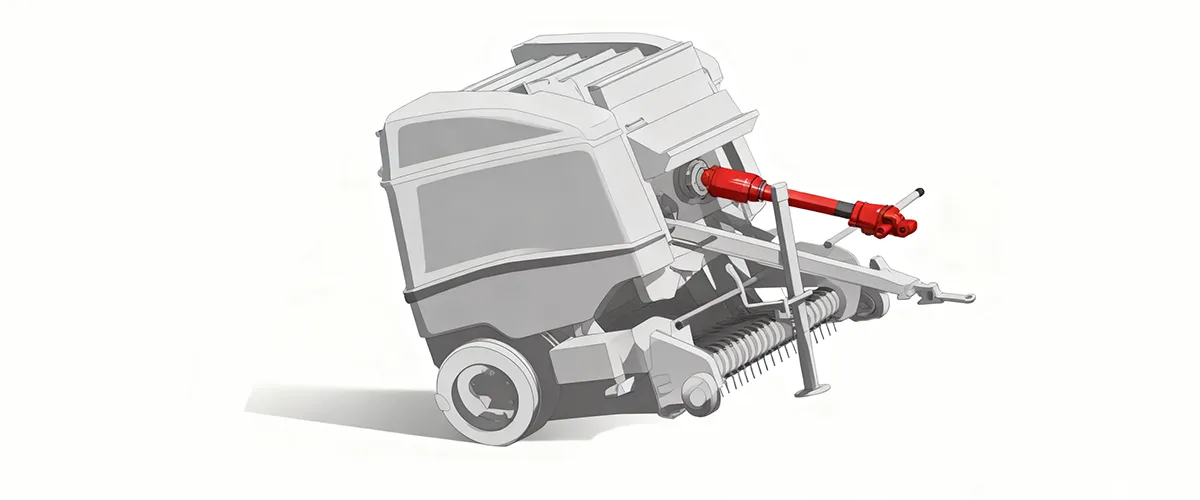
Agricultural PTO Shaft for Round Balers
Mixed corn-soybean stover baling generates irregular PTO torque profiles with sharp peaks when corn stalk slugs enter the chamber. A PTO shaft with an integrated overrun clutch and shear-bolt protection absorbs these peaks before they reach the gearbox, extending gearbox service life and preventing the chain of drivetrain damage that typically follows a single unprotected overload event. Matching the PTO shaft rating to your tractor’s maximum PTO output — not just its rated output — gives the safety margin that stover operations demand.
Agricultural Chain Drive System
The roller drive chain in a round baler machine handling autumn stover is exposed to a combination of high tensile loads, abrasive soybean dust, and the corrosive moisture from fresh corn stalks — all of which accelerate chain wear beyond what the hay baling specification anticipates. Using a matched agricultural chain designed for the specific roller drive torque rating of your baler model, kept clean and lubricated throughout the stover season, is one of the highest-return maintenance investments available. Carry at least one full replacement chain set during the autumn harvest window to avoid extended downtime waiting for parts.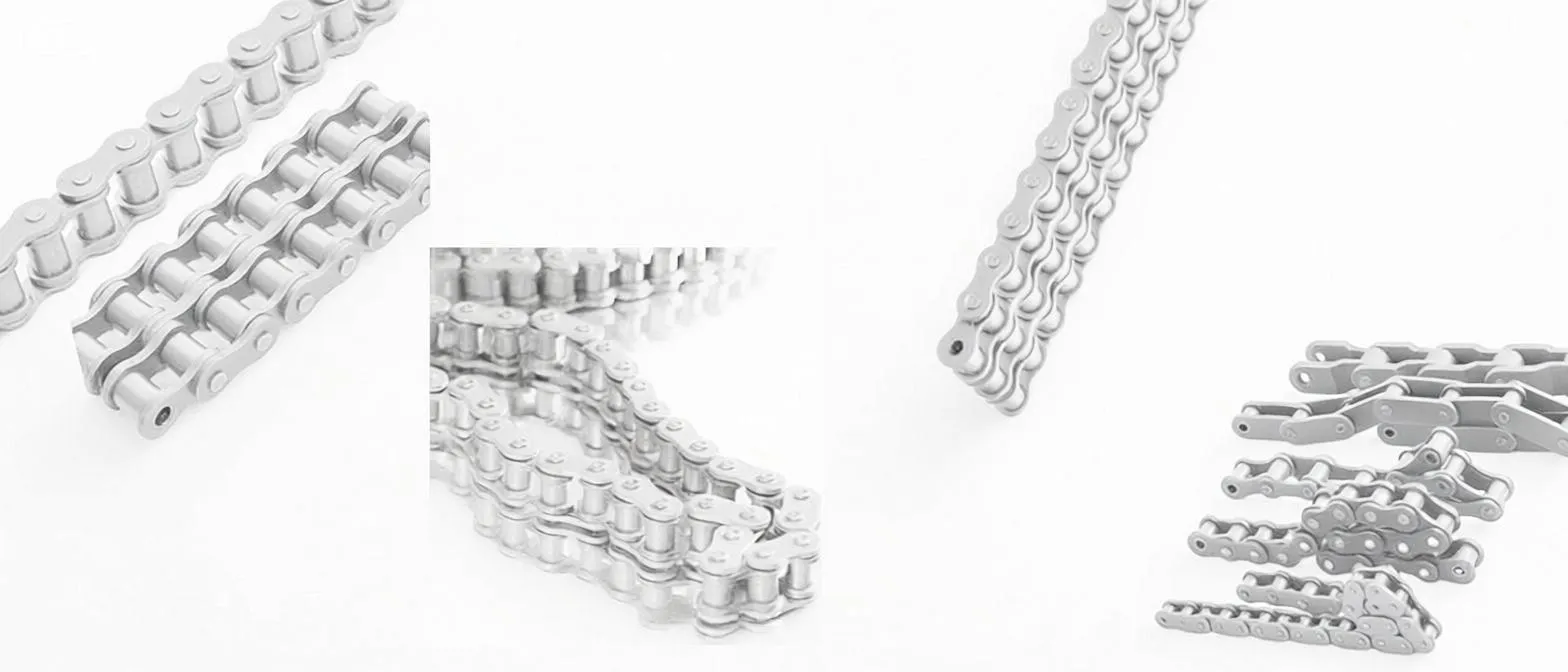
About Us
Established in 2013, we are a modern intelligent manufacturing enterprise serving the global agriculture and animal husbandry industry. Our product portfolio covers a comprehensive range of harvesting and baling solutions — light and heavy round balers, single and dual-blade mowers, disc rotary mowers, single and double-side rakes, and related forage equipment. We hold independent import and export rights and are certified under the ISO 9001 Quality Management System.
With over a decade of focused engineering investment, our production facility currently operates more than 60 sets of large-scale manufacturing equipment, including CNC laser cutting systems, automated welding lines, and electrostatic spray finishing production. Our annual design capacity stands at 2,000 units, supported by close to 100 registered technology patents across compression chamber design, pickup mechanisms, hydraulic control systems, and net wrap automation.
Our goal has always been to build world-class products that work reliably in the conditions our customers actually face — from the cold, irregular paddy conversions of South Korea’s Chungcheong province to the large-scale open fields of Central Asian forage operations. We welcome serious enquiries from distributors, dealers, and direct farm buyers across all our active export markets.
Frequently Asked Questions
تدوینگر: PXY