Rice Straw Baling — Korea Buyer’s Guide 2026
A comprehensive 2026 buyer’s guide for Korean rice farmers and agricultural contractors evaluating round balers for rice straw collection — covering crop-specific mechanical demands, model comparison, tractor compatibility, manufacturing quality, gearbox reliability, and the regulatory and subsidy framework that shapes the investment decision for Korean paddy operators this season.
Why 2026 Is a Critical Year for Korean Rice Straw Baling Investment
1. What Has Changed in the Korean Rice Straw Market Heading Into 2026?
Rice straw has occupied a contested place in Korean agriculture for decades. Traditionally managed through open-field burning — a fast, low-cost method that clears the paddy surface in preparation for autumn tillage — rice straw residue management in Korea has been progressively regulated under the Clean Air Conservation Act, with burning restrictions now covering the majority of rice-growing regions in Gyeonggi-do, Chungcheongnam-do, Jeollabuk-do, and Jeollanam-do. As burning options narrow, the alternative management pathways — baling and removal, mechanical incorporation, or mulching — are no longer optional for many Korean paddy farmers. Of these, baling is the only pathway that simultaneously complies with residue management regulations and generates a revenue stream from the straw that offsets management cost.
Entering 2026, several market developments are strengthening the investment case for a round baler machine for rice straw in Korea. First, the Korean livestock sector — particularly the beef cattle segment — continues to expand its demand for rice straw as a winter roughage supplement, supporting local bale market prices. Second, Korea’s biomass energy policy under the Renewable Portfolio Standard (RPS) has opened commercial-scale rice straw procurement by power utilities, creating a new institutional buyer category that offers contracted supply at volume above what individual livestock farms can absorb. Third, the national agricultural machinery purchase subsidy available through the Rural Development Administration (RDA) has been maintained at levels that significantly reduce the net capital outlay for a qualifying round baler purchase, improving first-season payback calculations meaningfully compared to unsubsidized purchase.
This buyer’s guide evaluates the 9YG round baler series models that are most relevant to Korean rice straw collection in 2026, explains the rice straw-specific mechanical requirements that should drive model selection, and provides the regulatory and subsidy context that Korean buyers need to understand before making a purchase decision this season.
Crop-Specific Requirements
2. Why Rice Straw Places Different Demands on a Round Baler Than Wheat Straw or Hay
Rice straw is mechanically and physically different from wheat straw and forage grass in ways that directly affect round baler performance and model selection. Understanding these differences is the starting point for making an informed purchase decision for Korean paddy farms in 2026.
The most significant difference is windrow behavior after the combine harvest. Korean rice combines — including the crawler-type and self-propelled wheel combines common in Korean paddy fields — typically deposit cut straw behind the thresher in a wide, flat mat rather than a formed windrow. The tangled, interconnected stem structure of rice straw means that this mat lies flat against the paddy surface with less vertical structure than a wheat straw windrow, making it harder for a spring-tooth pickup to engage and lift from below in a single clean pass. Rice straw moisture at Korean harvest time — October to November — is also typically higher than Korean wheat straw moisture at June harvest, because the autumn harvest season in Korean paddy regions coincides with higher ambient humidity and shorter drying intervals between cutting and baling.
The field surface condition for Korean rice straw collection adds a further layer of complexity. Korean paddy fields have been puddled and flooded through the growing season; by the October–November harvest window, the soil has partially dried but often retains significant moisture at 15–25 cm depth. The baler and tractor operating across this surface create track sinkage that a standard pickup height setting may compensate for inadequately, causing the pickup to scoop soil from elevated ridges between the tracked depressions. For all these reasons, the model criteria for Korean rice straw baling in 2026 center on three characteristics: an aggressive pickup that can penetrate the flat, tangled rice straw mat; an axial-flow feeding mechanism that handles the higher-moisture, denser material without blockages; and a compact machine weight that minimizes track sinkage on soft paddy soil.
2026 Model Comparison
3. 9YG Round Baler Series: 2026 Model Comparison for Korean Rice Straw Collection
| Model | Power Required | Bale Dimensions | 픽업 타입 | Rice Straw Rating | Best Scenario (Korea 2026) |
|---|---|---|---|---|---|
| 9YG-1.0C | ≥70 kW | Ø1000×1250 mm | Hammer-claw (axial-flow) | ★★★★★ Excellent | Single-crop rice farms; compact paddies; moderate tractor fleet |
| 9YG-1.25 | ≥75 kW | Ø1300×1250 mm | Interchangeable | ★★★★☆ Very Good | Mixed rice/wheat or rice/forage operations; 50–120 ha |
| 9YG-1.25A | ≥75 kW | Ø1300×1250 mm | Interchangeable; 540–1000 r/min PTO | ★★★★☆ Very Good | Cooperatives; diverse Korean domestic tractor fleet |
| 9YG-1.0 | 48–80 kW | Ø1100×1000 mm | Spring-tooth | ★★★☆☆ Moderate | Dry conditions only; not ideal for wet post-harvest paddy surface |
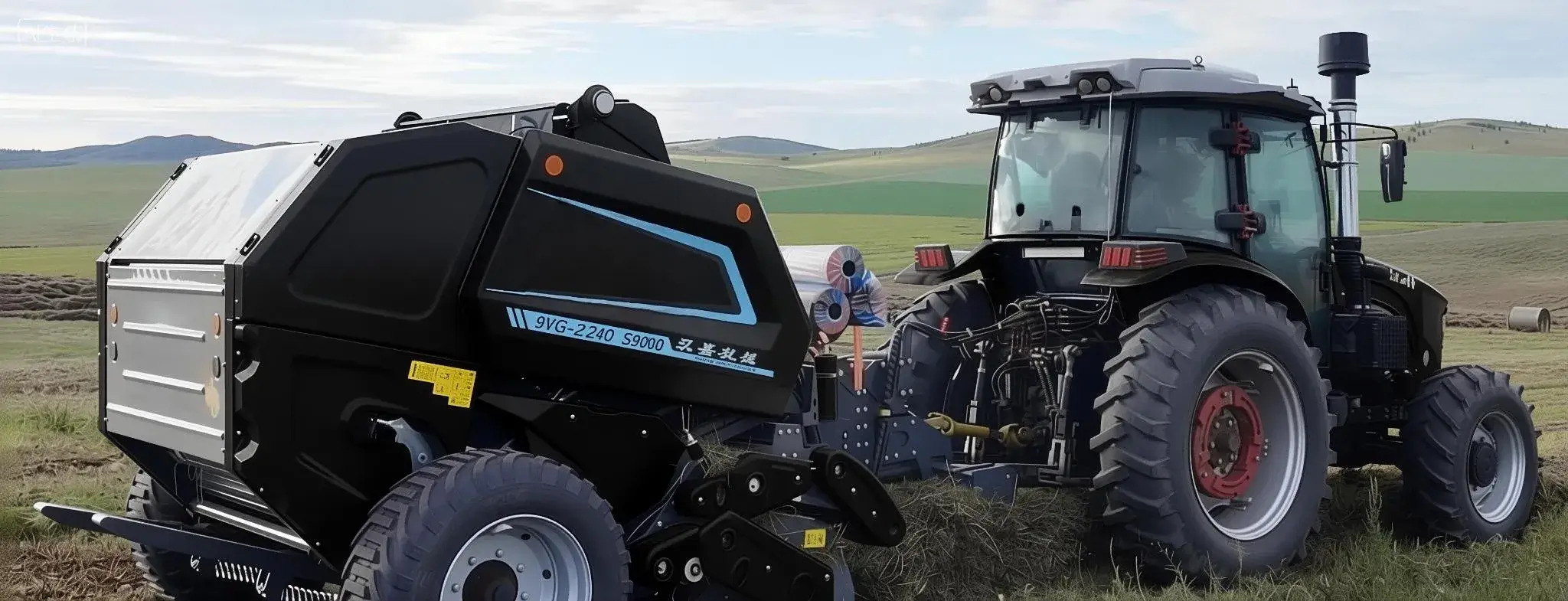
| 9YG-2.24D S9000 | 55–100 kW | Ø1300×1400 mm | Spring-tooth (wide pickup) | ★★★★☆ Good-Very Good | Large paddy consolidated blocks; RPS biomass contracts; contractor use |
| 9YG-2.24D Transcend | 55–100 kW | Ø1300×1400 mm | Spring-tooth; 90° dual gearbox | ★★★★☆ Good-Very Good | Large-area paddy with irregular layout; commercial biomass supply |
Top 2026 Pick
4. Why the 9YG-1.0C Is the Best-Rated Round Baler for Korean Rice Straw in 2026
The 9YG-1.0C earns its top rating for Korean rice straw collection in 2026 through a combination of three design features that address the specific challenges of Korean paddy field baling: its hammer-claw pickup, its axial-flow semi-forced feeding mechanism, and its compact bale format that minimizes machine weight on soft paddy soil.
Hammer-claw Pickup for Flat, Tangled Straw
Korean rice straw lies in a flat, tangled mat after combine harvest rather than forming the structured windrow that wheat straw produces. Spring-tooth tines — designed to sweep and lift material from a formed windrow — struggle with flat, matted rice straw because the material offers insufficient vertical structure for the upward sweep to engage. The hammer-claw pickup uses rigid curved tines that penetrate from above into the flat mat, gripping and pulling the straw upward into the feed throat regardless of how the material is lying on the field surface. For Korean paddy farmers who have tried spring-tooth balers on rice straw and experienced high field losses and repeated blockages, the hammer-claw design of the 9YG-1.0C addresses the root cause of these problems rather than managing symptoms through operator speed adjustments.
Axial-Flow Feed for High-Moisture Rice Straw
Rice straw in Korea’s October–November harvest window is collected at higher average moisture content than Korean wheat straw, and its tangled fiber structure means that material bridges across conventional feed throat openings at a higher frequency than with wheat straw. The axial-flow semi-forced feeding mechanism on the 9YG-1.0C routes material from the hammer-claw pickup into the bale chamber through a guided path that prevents the bridging events that cause blockages requiring operator intervention. For a Korean rice farmer baling in the 8–12 day window between the combine finishing a field and the next scheduled tillage preparation, each blockage event costs 15–30 minutes of productive baling time — and the axial-flow design systematically reduces the frequency of these events compared to conventional cam-and-guard designs.
Compact Format for Korean Paddy Soil
At a rated minimum tractor power of ≥70 kW, the 9YG-1.0C’s machine weight is significantly lower than the full 9YG-2.24D series machines at 3,900–4,500 kg. For Korean paddy soil conditions where the surface layer has partially dried but the subsurface retains moisture from the growing season, lower machine weight directly reduces track sinkage depth and soil compaction during the baling operation. Significant compaction at baling time complicates autumn tillage, increases tillage energy requirements, and can affect the following season’s crop establishment if structural soil damage persists through winter. The compact format also makes the 9YG-1.0C easier to maneuver within the narrow access routes between Korean paddy field plots, reducing headland damage and improving daily operational efficiency.
Manufacturing Structure
5. Frame Construction, Chamber Design, and Feeding System Engineering for Korean Paddy Field Conditions
Rice straw baling in Korean paddy fields imposes structural demands on the round baler machine that are distinct from dryland hay or wheat straw applications. The combination of higher material moisture content, field surface softness, and the tangled material structure places cyclic stress on the frame, pickup mounting, and feed system that requires robust manufacturing quality to withstand without developing fatigue cracks or alignment drift over multiple seasons. The manufacturing standards applied in the 9YG series production are directly relevant to this durability requirement.
CNC Laser-Cut Frame
The main frame is CNC laser-cut from structural steel plate, producing consistent bore alignments at all mounting points. In Korean paddy field conditions where the baler navigates soft, uneven surfaces throughout the baling day, the frame’s structural geometry is continuously stressed by irregular ground loads at the drawbar hitch and the pickup mounting attachment. Automated welding at all primary structural nodes produces consistent joint penetration that resists the fatigue crack initiation at weld toes that would eventually develop from manual welding variations under this kind of cyclic irregular loading. Consistent frame geometry also maintains bale chamber alignment across multiple seasons, preventing the gradual bale shape distortion that develops when frame flex changes the relative position of press rollers over time.
Bale Chamber Roller Array
The bale chamber on the 9YG-1.0C produces bales at Ø1000×1250 mm, with a press roller array providing continuous circumferential compressive force around the forming bale. Rice straw’s tangled fiber structure means that the material does not pack as uniformly as wheat straw in the early stages of bale formation — the first material to enter the chamber forms an irregular core that the press rollers must work to compress and rotate into a coherent cylinder. The consistent roller speed delivered by the chain drive system ensures that all rollers contribute equally to this rotation and compression, preventing the localized slippage events that create flat spots or off-center cores in the finished bale.
Hammer-claw Pickup Mounting
The hammer-claw pickup assembly is mounted on a floating linkage that allows independent vertical movement relative to the main frame. For Korean paddy fields with micro-ridges and depressions from previous cultivation and combine tracking, this independent movement maintains consistent pickup-to-surface engagement depth across the variable field topography without requiring the operator to manually adjust pickup height between passes. The floating linkage geometry is determined by the CNC-fabricated frame dimensions, ensuring that the designed clearance range is maintained consistently across the machine’s working life rather than drifting as mounting wear accumulates.
Material System
6. Tine Alloy, Chain Grade, Sealing, and Coating for Korean Paddy Field Operating Conditions
Korean paddy fields present round baler material systems with a combination of moisture, fine clay particles, and the relatively fragile, tangled rice straw that is harsher than its appearance suggests. Clay particles suspended in the moisture on the paddy surface infiltrate chain clearances and bearing housings with a fine-grinding action; rice straw silica content accelerates tine tip wear; and the high ambient humidity of the Korean October harvest period attacks unprotected steel surfaces through condensation cycles during the working day and through extended overnight periods when the machine sits in the field. The material choices in the 9YG series address these Korean paddy conditions directly.
Hammer-claw Alloy Steel
Hammer-claw tines on the 9YG-1.0C are manufactured from high-strength alloy steel with a balance of hardness and impact toughness appropriate for the occasional contact with soil clods, embedded harvest debris, and hard objects on paddy field surfaces. Unlike spring-tooth tines which absorb impact through deflection, hammer-claw tines must resist the direct impact loading of their rigid penetration action through the rice straw mat. The alloy specification ensures that claw fracture events — which are more costly to address in terms of field downtime than a single tine replacement — occur only under genuinely exceptional load conditions rather than as a routine consequence of contact with normal paddy field surface variations.
Chain Drive — Paddy Silt Lubrication Protocol
Fine clay particles suspended in the moisture layer on Korean paddy surfaces penetrate chain link clearances during the low-pickup-height operation needed for rice straw collection. This fine-abrasive contamination displaces lubricant from pin-bushing contact surfaces more rapidly than in hay or wheat straw applications, requiring the operator to shorten the chain lubrication interval from the standard 8–10 hours to 5–6 hours during intensive paddy baling days. Using a penetrating chain oil that flushes fine particles from contact surfaces as well as lubricating them is significantly more effective in paddy field conditions than a heavy grease that traps particles and accelerates abrasive wear by embedding contamination in the lubricant film.
Sealed Pickup Reel Bearings
The pickup reel end bearings on 9YG series machines are sealed units that resist the clay and moisture infiltration characteristic of Korean paddy field operation. Open bearings — which require periodic manual repacking — accumulate fine paddy clay rapidly and develop abrasive bearing race damage within the first season of paddy field use if the repacking interval is not shortened from standard agricultural recommendations. Sealed units eliminate this maintenance requirement and the risk of clay-induced premature bearing failure, which in Korean paddy conditions where field access is limited to narrow equipment tracks, often means a half-day delay rather than the quick wheel-side repair that might be possible on a dry field.
Electrostatic Frame Coating
The electrostatic powder coating on 9YG series frames is applied after CNC fabrication and automated welding, providing adhesion-bonded corrosion protection at weld seams and joint interfaces. For a machine used in Korean paddy fields — where the combination of surface moisture, clay-laden straw, and overnight condensation in October–November creates a persistently aggressive corrosion environment — this coating quality determines how quickly surface corrosion progresses from initial chip points. Annual inspection and spot priming before the rice straw season extends the effective coating life significantly and prevents the undercutting corrosion at structural joints that accelerates dramatically once bare metal is exposed beneath a failed coating surface.
Gearbox and Power
7. Round Baler Gearbox Considerations for Korean Rice Straw: PTO Compatibility and Torque Demands
The round baler gearbox in Korean rice straw applications faces a distinctly variable torque demand profile compared to dry wheat straw baling. Rice straw at harvest moisture of 18–28% is significantly denser and heavier per unit volume than dry wheat straw, and the tangled mat structure means that the material enters the bale chamber in irregular clusters rather than the relatively uniform flow that a formed wheat straw windrow provides. These clusters impose momentary torque spikes on the gearbox input that are higher than the steady-state load — a characteristic that tests the gearbox torque rating in a different way from continuous-load baling of uniform material.
The 9YG-1.0C is rated for ≥70 kW tractor power with a 540 r/min PTO input specification — a combination that matches the mid-range Korean domestic tractor fleet widely available on rice-growing farms. At 540 r/min, the pickup and feed mechanism operate at lower rotational speeds than 720 r/min designs, which actually benefits rice straw handling in one important respect: the lower peripheral velocity of the hammer-claw tines at 540 r/min reduces the impact energy per claw-to-straw contact, providing a more controlled mat-penetrating action with less material deflection and less tendency to throw loose straw ahead of the pickup path.
For Korean cooperative operations involving multiple rice farms that also grow other crops requiring baling at different PTO speeds, the 9YG-1.25A offers the critical advantage of 540–1000 r/min PTO input acceptance. This makes it the most versatile gearbox option in the 9YG compact range for cooperatives that bale rice straw in autumn, wheat straw in June, and forage hay in spring across member farms that may have different tractor models with different PTO speed specifications. The gearbox oil in all 9YG models should be changed at the start of each rice straw season, since the low-temperature conditions of October–November Korean paddy baling accelerate lubricant viscosity changes that increase bearing and gear surface wear at cold start conditions compared to summer baling.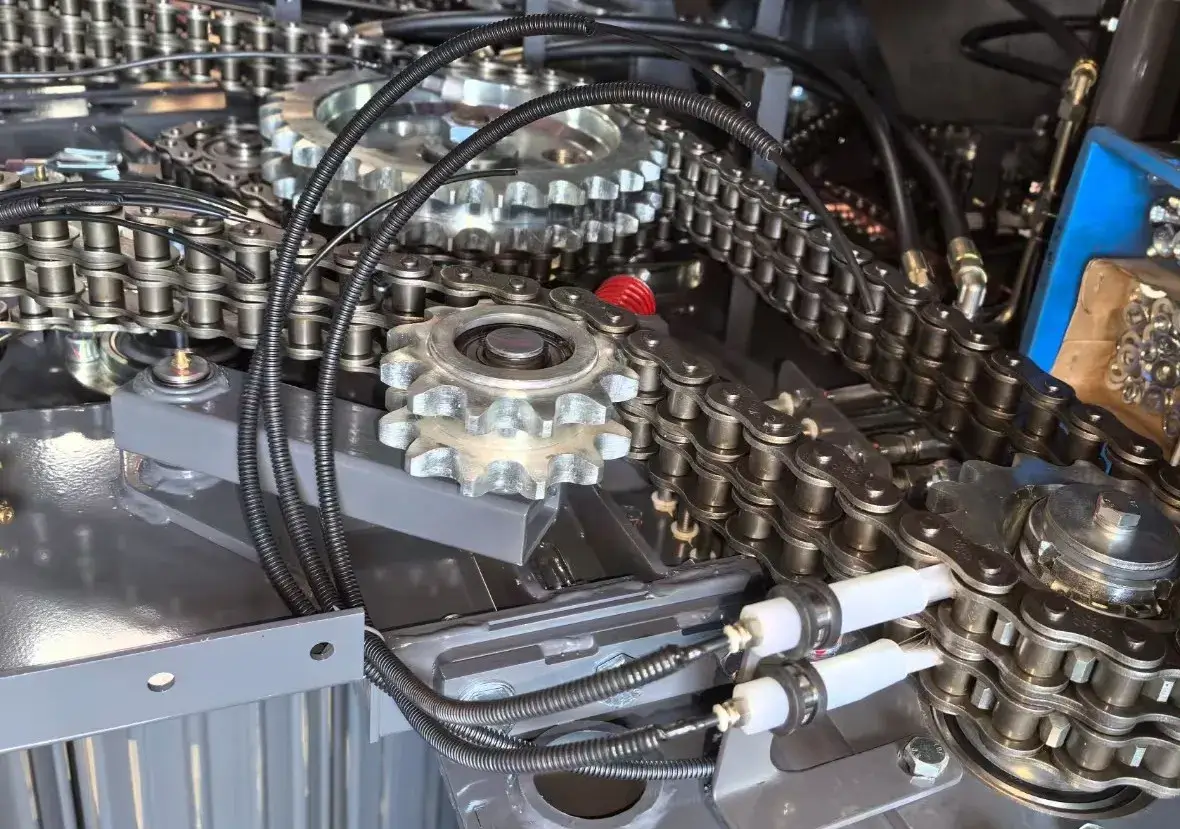
Korean Market 2026
8. Bale Market Channels for Korean Rice Straw in 2026: Where Your Bales Will Be Sold
The commercial viability of a round baler investment for Korean rice straw in 2026 depends on having accessible bale buyers within reasonable transport distance. Understanding the current market structure helps buyers select the right bale format and density specification when configuring their machine purchase. Three main buyer categories are active in the Korean rice straw bale market in 2026:
Korean Livestock Farms — Cattle and Horse
Korean beef cattle farms — concentrated in Gyeonggi-do, Chungcheong-do, and the South Gyeongsang and South Jeolla regions near the main rice-growing areas — purchase rice straw bales as a winter roughage supplement from October through February. The preferred bale format for Korean livestock buyers in 2026 is net-wrapped round bales in the Ø1000–1300 mm diameter range, at moisture contents below 18% to minimize heating risk during storage. The 9YG-1.0C bale format of Ø1000×1250 mm falls within the preferred range for Korean livestock buyers who use standard bale spear attachments for loading and unrolling.
Korean RPS Biomass Power Utilities
Korea’s Renewable Portfolio Standard requires power utilities to source a growing proportion of their generation from renewable sources, and domestic rice straw qualifies as a certified biomass fuel under the RPS framework when it meets origin and sustainability documentation requirements. RPS biomass buyers typically prefer larger bale formats — Ø1300 mm or above — for transport efficiency, which gives an advantage to the 9YG-1.25 and 9YG-2.24D series in this market channel. For Korean rice farmers near established biomass collection facilities, the RPS channel offers contracted supply at predictable volumes, which may justify the higher capital cost of a mid-size machine over the compact 9YG-1.0C.
Mushroom Substrate and Compost Producers
Rice straw has a long history as a substrate base material for mushroom cultivation in Korea, and is also used as a high-carbon feedstock in composting operations serving Korea’s urban vegetable farming sector. These buyers typically operate at smaller volumes than livestock farms or biomass utilities, but may offer premium per-bale rates for straw with specific quality attributes — low soil contamination, consistent moisture, and clean net wrap binding that prevents loose fiber from contaminating the substrate mix. For Korean rice farmers near mushroom cultivation clusters in the Jeonju, Iksan, and Suncheon regions, this market channel is worth evaluating as part of the bale sales strategy before machine selection.
Regulatory and Subsidy Framework
9. 2026 Korean Regulations, RDA Subsidy, and International Standards Relevant to Rice Straw Round Baler Buyers
Korean rice straw round baler buyers in 2026 operate within a regulatory framework that creates compliance obligations, subsidy opportunities, and machinery safety requirements. Understanding all three dimensions of this framework is essential for making a fully-informed purchase decision.
Korea — Clean Air Conservation Act: The Compliance Driver
Korea’s Clean Air Conservation Act imposes increasingly strict restrictions on field burning of rice straw in all major paddy regions. By 2026, burning is prohibited or heavily restricted in most Korean paddy-growing provinces, with enforcement including on-site inspections by environmental management officials during the autumn harvest period. For Korean rice farmers in designated restriction zones, baling is no longer a commercially-motivated choice — it is a legal requirement for straw management compliance. This regulatory context means that the investment decision is not only about commercial ROI but also about avoiding administrative penalties and the potential crop insurance complications that come from non-compliant residue management practices.
Korea RDA — Type Approval and 2026 Purchase Subsidy
The Rural Development Administration (RDA) agricultural machinery purchase subsidy remains one of the most significant factors affecting the net purchase cost of a round baler for Korean farmers in 2026. Eligible machines must hold current RDA type approval, and the subsidy rate — which typically covers 30–50% of the machine cost up to a ceiling for each model class — is applied at point of sale through certified distributors or, for direct-import purchases, through the RDA application process. The 9YG series is manufactured under ISO 9001 quality management certification that supports RDA approval documentation. Confirming current approval status for the specific model and model year at the time of purchase is strongly recommended, as the approved machine list is updated annually.
ISO 4254-7 — Baling Machine Safety for Korean Paddy Operators
ISO 4254-7 covers baling machine safety requirements including pickup rotor guarding, bale chamber access prevention, ejection zone warning marking, and tailgate crush protection mechanisms. In Korean paddy field conditions where the machine operates on soft, uneven surfaces, the risk of the machine settling or tilting unexpectedly during bale ejection is slightly higher than on firm ground — making the tailgate crush protection provisions of ISO 4254-7 directly relevant to Korean rice straw operating conditions. Korean agricultural insurance policies increasingly reference ISO 4254-7 compliance as a machinery coverage condition, which makes confirming certification documentation a standard part of the purchase process.
Korea RPS — Biomass Eligibility Documentation for Rice Straw
Korean rice farmers supplying straw bales to RPS biomass power utilities must provide feedstock origin documentation and sustainability compliance records that trace the bales from specific paddy fields to the point of delivery. The sensor-controlled density management on the 9YG series produces consistent bale weights that facilitate the weigh-bridge documentation required for RPS supply contracts, where payment is typically on a per-tonne delivered basis. For Korean paddy farmers contemplating an RPS supply channel in 2026, the investment in a larger-bale machine (9YG-1.25 series or 9YG-2.24D) may be worth pursuing to meet the minimum per-delivery volume that RPS buyers typically require before agreeing contracted supply terms.
Vietnam MARD and Southeast Asian Rice Straw Regulations
For Korean agricultural equipment exporters and Korean ODA development programs supplying round balers to Vietnamese and other Southeast Asian rice-growing regions, Vietnam’s Ministry of Agriculture and Rural Development (MARD) administers the national agricultural machinery certification process under which imported machines must be registered before commercial sale. Vietnam’s national program promoting mechanization of rice residue management — which includes subsidized round baler purchase for cooperative farmer groups — specifies performance requirements for field loss rates and bale quality that the 9YG-1.0C’s hammer-claw design is well-positioned to meet. This Southeast Asian export opportunity is directly linked to the same product characteristics that make the 9YG-1.0C the top 2026 recommendation for Korean domestic rice straw collection.
Japan — Norinchukin Agricultural Machinery Safety Standards
Japan’s extensive rice-growing regions in Niigata, Akita, and Miyagi prefectures use round balers for rice straw collection under safety standards administered by the Japan Agricultural Machinery Industry Association (JAMA) and referenced by the Ministry of Agriculture, Forestry and Fisheries (MAFF). Japanese standards cover PTO shaft guarding, pickup zone enclosure, and bale ejection safety provisions that are substantially aligned with ISO 4254-7 requirements. For Korean machinery suppliers interested in the Japanese rice straw baling market — a natural expansion opportunity given the similar paddy field conditions and harvest window timing between Korea and Japan — understanding JAMA certification requirements as an extension of ISO 4254-7 is the practical entry point.
Full Product Range
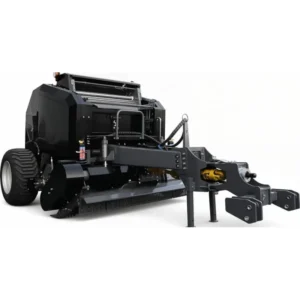
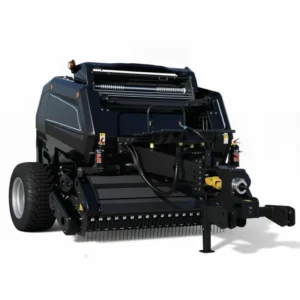
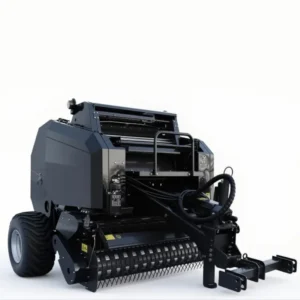
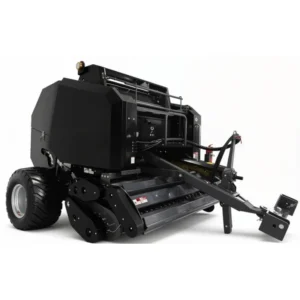
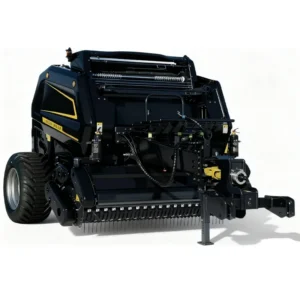
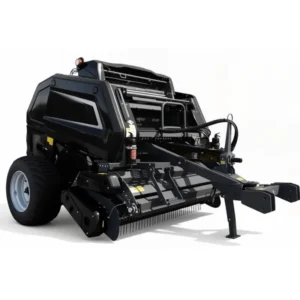
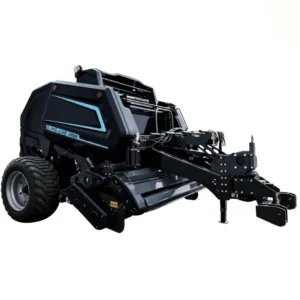
10. 9YG Round Baler Series — Full 2026 Range for Korean Rice Straw Operations
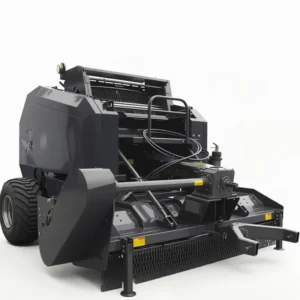
All models in the 9YG series are manufactured under ISO 9001 quality management certification and feature sensor-controlled bale density management. The models highlighted with border are the top recommendations for Korean rice straw 2026 purchase.
FAQ
Frequently Asked Questions: Best Round Baler for Korean Rice Straw 2026
편집자: PXY