Agricultural Knowledge Series
A complete agronomic and mechanical guide for farmers seeking efficient cover crop management with modern round baler technology
1. What Is Winter Rye as a Cover Crop — and Why Does Termination Matter?
Winter rye (Secale cereale) is one of the most dependable cover crops grown across temperate agricultural zones, including parts of East Asia, Northern Europe, and North America. Planted in the fall and left to overwinter, it delivers powerful weed suppression, reduces soil erosion, and builds organic matter through robust root development. Korean farmers in the Gyeonggi and Chungcheong provinces have increasingly adopted winter rye as part of rotation programs aimed at reducing chemical inputs and meeting national soil health targets under the Environmentally Friendly Agriculture Promotion Act (친환경농업 육성법). Despite its agronomic benefits, winter rye presents a harvesting challenge: without proper termination and biomass removal, it can become a weed pressure problem for the following cash crop. This is where a reliable round baler enters the picture as a genuinely practical field solution.
Terminating winter rye at the right growth stage — typically at anthesis (heading) or just before — and then baling the cut biomass allows farmers to extract feed or bedding value from the material while cleanly preparing the seedbed. The mechanical process involves mowing or rolling the rye, allowing a brief dry-down period, and then running a round baler to consolidate the windrows into dense, manageable round bales. Getting this process right requires understanding both the agronomic timing and the mechanical capabilities of the round baler machine being used. The density of rye straw, its tendency to form mats, and the moisture variation between early and late-terminated crops all place specific demands on the pickup mechanism, the compression chamber, and the twisting / net-wrapping system.
2. Manufacturing Structure of Modern Round Balers
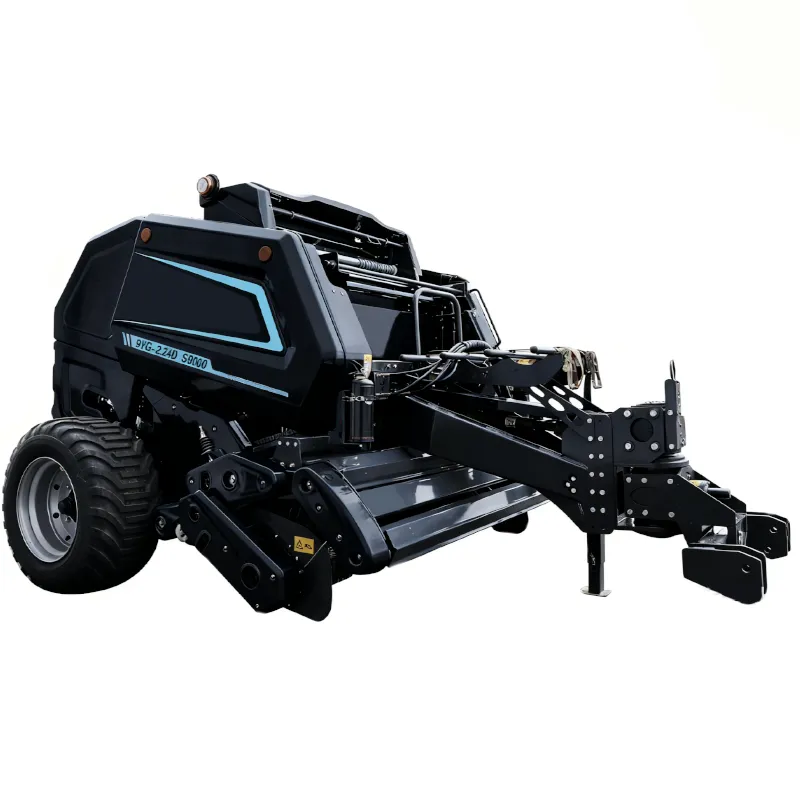
Understanding the internal architecture of a round baler machine gives farmers a clear picture of why certain models handle winter rye more effectively than others. A typical round baler used for cover crop baling consists of a pickup header, a feeding system, a compression chamber, a wrapping mechanism, and a PTO-driven gearbox assembly that coordinates all moving parts. The main frame is constructed from high-strength structural steel, laser-cut and welded to precise tolerances. On models designed for heavy-biomass crops like winter rye, the rear compartment features dual-sided chain drives to distribute compression load evenly and reduce frame fatigue — a design found on the 9YG-2.24D series, where dual 20A heavy-duty chains in the rear chamber increase compression pressure substantially and produce denser bales even from tall or slightly lodged rye stems.
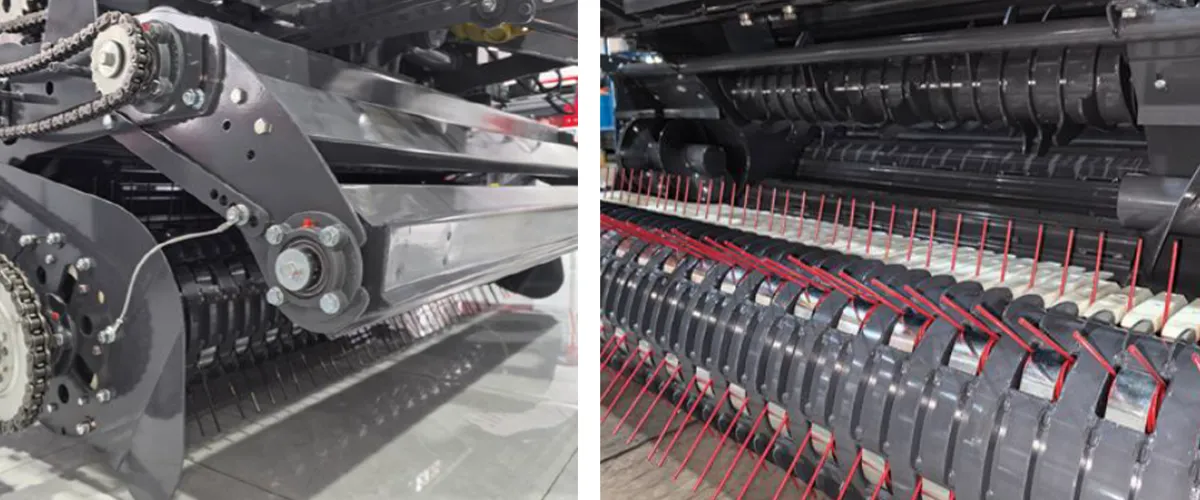
The feeding mechanism is arguably the most critical component when dealing with winter rye, which is prone to clumping. Leading round baler manufacturers have moved toward “axial-flow” semi-forced feeding systems that eliminate the traditional cam-and-guard pickup design. This approach reduces power consumption, increases throughput volume, and dramatically lowers the risk of bridging or blockage — a persistent issue when baling winter rye with high stem density. The proprietary axial-flow design found in the 9YG-series round baler lineup is independently developed and covered by exclusive intellectual property rights, giving it a performance edge in demanding cover crop applications. The pickup width on these models ranges from 1,900 mm to 2,400 mm depending on the variant, allowing efficient windrow collection even after mechanical roller termination leaves an uneven swath.
The compression chamber on drum-type (roller-type) round balers uses multiple rollers arranged around the bale chamber perimeter to apply graduated pressure as the bale forms. The 9YG-2.24D and 9YG-1.25 models, for example, employ 18 rollers with a working diameter of 222 mm inside a chamber measuring 1,200 mm in diameter. As the bale grows, sensor-controlled density monitoring adjusts the chamber pressure automatically, producing a consistent bale density between 100 and 200 kg/m³ — sufficient for straw or cover crop material that will be stored or sold as feed. This sensor-integrated density control is a notable advantage over older mechanical tension systems, which require manual adjustment and are far less consistent across varying crop moisture levels.
3. Material System — Structural Steel, Chains, and Surface Treatment
The material system of a round hay baler directly determines its service life, especially in corrosive outdoor environments typical of spring cover crop termination — where morning dew, field mud, and intermittent rain are standard conditions. Frames on the 9YG series are manufactured from high-tensile structural Q355B steel, processed through CNC laser cutting for dimensional accuracy. Welding is performed on automated welding lines that ensure consistent weld bead quality, reducing stress concentrations that could lead to fatigue cracks after extended seasonal use. Following fabrication, all major assemblies go through an electrostatic spray painting line, which deposits a uniform protective coating across even recessed areas of complex weldments. This process significantly extends corrosion resistance compared to brush or dip painting methods.
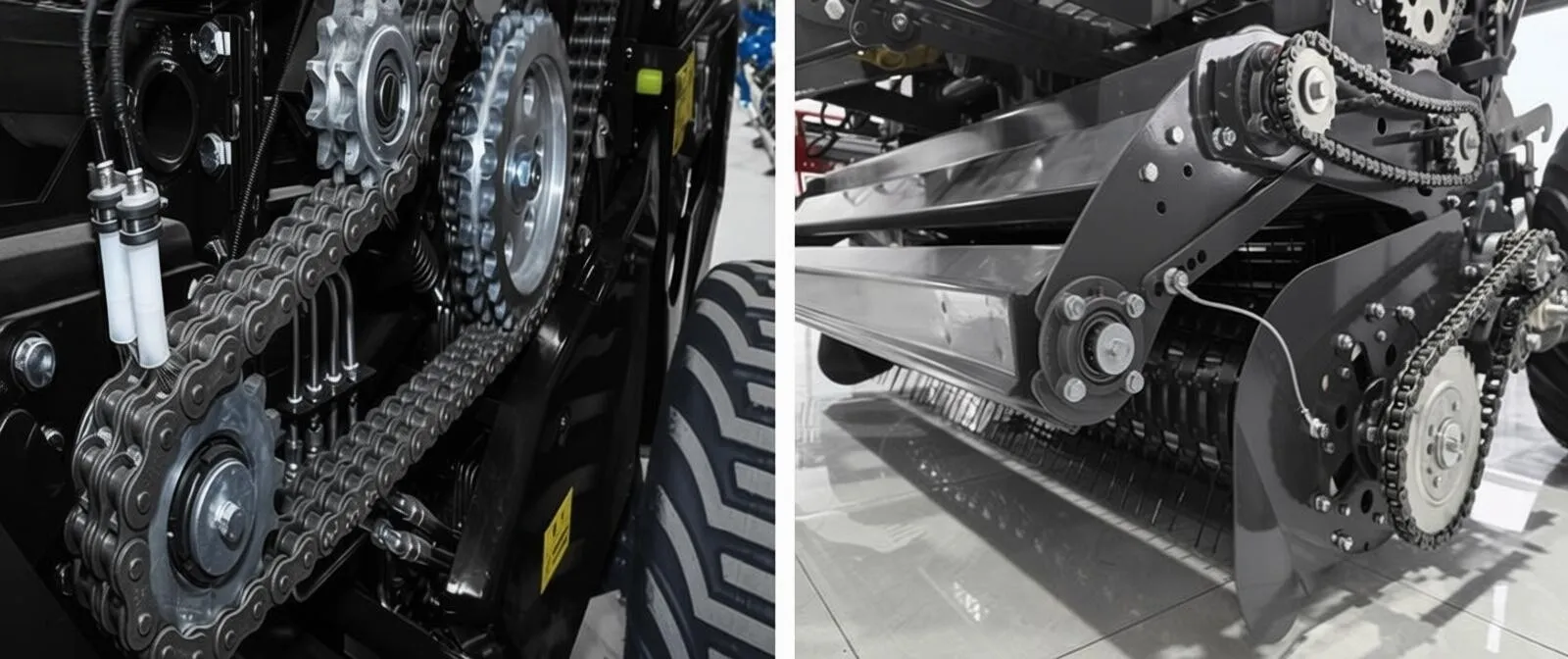
The drive chains represent another key material decision. On models intended for large-scale forage and cover crop operations, 20A (1.25-inch pitch) heavy-duty reinforced chains are specified for the rear chamber dual-side chain drive, increasing compression force transfer and reducing stretch under sustained high-load operation. Smaller-platform models like the 9YG-1.0 and 9YG-1.0C use 16A chains appropriate for their bale size and power range. Roller axles and bearings are selected for sealed, maintenance-reduced operation, and critical wear surfaces on the pickup tines are made from spring-tempered steel alloy for resistance to bending when the pickup encounters stones or soil clods — a real consideration in winter rye fields that may have frost-heaved surface debris.
4. Step-by-Step: Winter Rye Termination and Baling Workflow
Successfully integrating a round baler into winter rye cover crop termination requires careful sequencing. Rushing any step risks poor bale quality, incomplete termination, or damage to the machinery. The following workflow reflects best practice for temperate regions including Korean agricultural conditions where cool springs and variable moisture are the norm.
| Step | Operation | Timing / Notes |
|---|---|---|
| 1 | Scout and select termination timing | At anthesis or flag leaf stage; typically late April–May in Korean temperate zones |
| 2 | Mow or roll-crimp the rye | Roller crimping preferred for no-till; mowing at 50–70 mm stubble height for baling |
| 3 | Allow field dry-down | Target moisture ≤25% for net-wrapped bales stored outside; 1–3 days depending on weather |
| 4 | Rake or ted windrows if needed | Consolidate swaths to match baler pickup width; avoid overly wide windrows |
| 5 | Bale with round baler | Travel speed 5–15 km/h; sensor-controlled density ideal for consistent bale weight |
| 6 | Net-wrap and eject | Automatic net wrapping at 2,000 m per bale; eject at field edge or row end |
| 7 | Move and store bales | Use bale transport equipment; store on dry, elevated surface to reduce spoilage |
| 8 | Plant cash crop | Field is now clean for direct seeding or tillage incorporation of residue |
5. Round Baler Gearbox Design and Transmission Efficiency
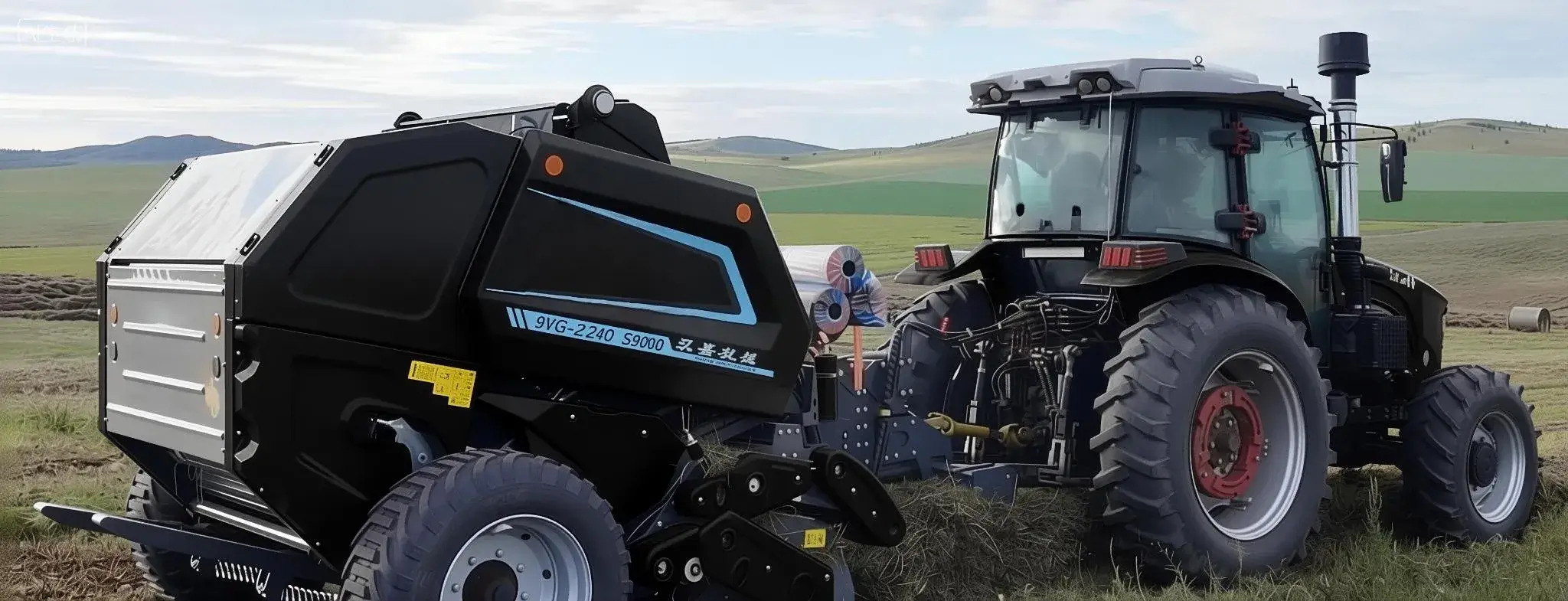
The gearbox is the mechanical heart of any PTO-driven round baler, and its design has direct implications for fuel efficiency, operator convenience, and machine longevity. On tow-type (trailing-type) round balers, the gearbox connects to the tractor’s PTO shaft at a standard speed of 720 r/min (or 540 r/min on some configurations) and distributes power to the pickup drum, the compression rollers, the net-wrap drive, and the hydraulic pump circuit. A well-engineered gearbox maintains transmission efficiency above 90%, converting tractor power into mechanical work with minimal heat loss. The 9YG-2.24D S9000 series uses a dual-joint (twin-coupling) self-developed gearbox arrangement that allows the baler frame to rotate up to 90 degrees left and right relative to the tractor, significantly reducing turning radius during headland maneuvering — a practical advantage in smaller winter rye cover crop fields typical of Korean farm parcel structures.
This dual-gearbox configuration also features rigid coupling between the gearbox assembly and the drawbar frame, which eliminates the torsional stress that can develop in single-joint designs when traversing undulating terrain. The result is that the tractor can pivot during in-field turns without cutting power to the baler — operators are not required to disengage the PTO mid-turn, reducing wear on the tractor clutch and the baler’s own drivetrain components. An additional torque-safety driveshaft has been incorporated as standard, providing mechanical overload protection that shunts excess torque before it can damage gearbox internals. This is particularly relevant when baling wet or partially dry winter rye where sudden slug ingestion can spike torque demand unpredictably.
The hydraulic system on the 9YG-2.24D Classic uses H-type ferrule fittings rated for higher burst pressure than standard compression fittings, meaning the tailgate opening and closing cycle operates faster and more reliably. A rear-mount buffer cylinder absorbs tailgate closure shock, protecting both the machine frame and the net-wrap sensor from vibration fatigue. These hydraulic details might appear minor in isolation, but they directly affect per-hour bale output and total seasonal machine availability — both critical factors for operations timing the baling window between winter rye termination and cash crop planting.
6. Agricultural Machinery Regulations — Korea, Europe, and Beyond
Farmers and agribusiness operators purchasing a round baler for cover crop work need to understand the regulatory environment governing agricultural machinery import, use, and safety in their region. This is particularly relevant for Korean buyers sourcing equipment internationally, as well as operators in European and Oceanic markets where machinery standards are strictly enforced.
South Korea (대한민국): Agricultural machinery imported into South Korea must comply with the Agricultural Mechanization Promotion Act (농업기계화 촉진법), which sets safety testing and type-approval requirements administered by the Rural Development Administration (RDA / 농촌진흥청). Imported baling equipment must obtain RDA type approval and may be eligible for government purchase subsidies under the Agricultural Machinery Support Program (농기계지원사업), which covers up to 50% of purchase value for qualifying smallholders. Environmental standards under the Clean Air Conservation Act (대기환경보전법) may apply to engine-powered auxiliary systems. PTO-connected trailed implements like round balers are assessed under RDA’s test protocols, including functional performance, safety guard compliance, and noise emission limits.
European Union: Machines marketed in EU member states must carry CE marking under the Machinery Directive 2006/42/EC (currently under revision as the Machinery Regulation EU 2023/1230, which applies from January 2027). This requires a Declaration of Conformity, technical construction file, and compliance with ISO 11684 for safety signs on agricultural machinery. Gearbox and PTO guards must meet EN ISO 4254 (Agricultural Machinery Safety standards), and baler wrapping and knotting systems are specifically covered under EN ISO 4254-7 for balers. Operators in Germany must additionally comply with DGUV Rule 114-015 (formerly BGV-C15) governing agricultural workplace safety.
United States and Canada: The ASABE (American Society of Agricultural and Biological Engineers) standards, particularly ASABE S493 (Safety for Agricultural Equipment) and ANSI/ASABE S296, govern design expectations for round balers sold in North American markets. In Canada, the Canada Agricultural Products Act and provincial machinery safety codes apply. Importers must register machines with CBSA and confirm compliance with CCME (Canadian Council of Ministers of the Environment) emission guidance for diesel-assisted systems.
Russia, Mongolia, Belarus, and Kazakhstan: Equipment exported to Eurasian Economic Union (EAEU) countries must meet TR CU 010/2011 (Technical Regulation on Machine Safety) and bear EAC marking. Gearbox and power transmission safety guards must meet GOST standards. Products from manufacturers who have obtained ISO 9001 quality management certification have a simpler pathway to EAEU conformity assessment.
| Region | Key Standard / Regulation | Certification / Mark |
|---|---|---|
| 대한민국 | Agricultural Mechanization Promotion Act / RDA Type Approval | RDA 농기계 형식검정 |
| European Union | Machinery Directive 2006/42/EC; EN ISO 4254-7 | CE Mark |
| USA / Canada | ASABE S493; ANSI/ASABE S296 | ASABE Compliance |
| EAEU (Russia, Kazakhstan, Belarus) | TR CU 010/2011; GOST Standards | EAC Mark |
| Mongolia | MNS Standards, EAEU-aligned | MNS / EAC |
| Australia / NZ | AS 4600; Work Health and Safety Act | WHS Compliance |
7. Round Baler Product Range — Matching the Right Machine to Your Cover Crop Operation
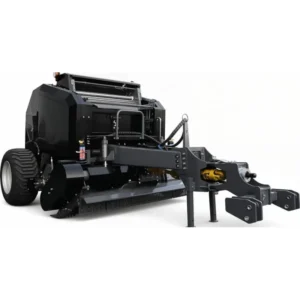
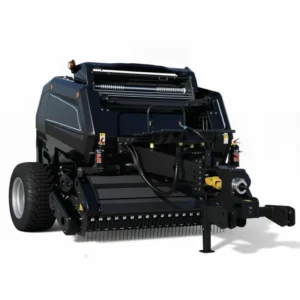
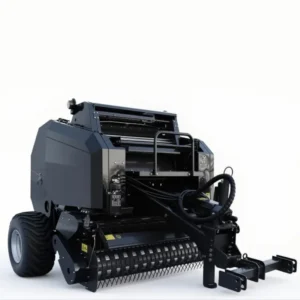
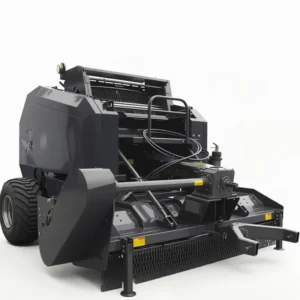
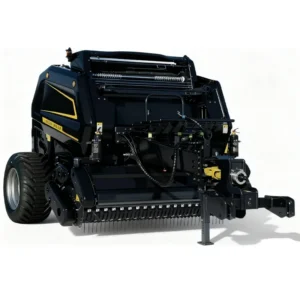
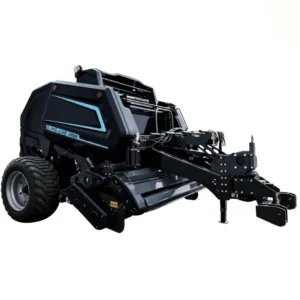
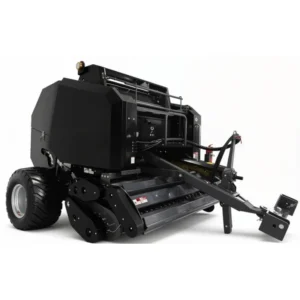
Selecting the right round baler for winter rye cover crop baling depends on the scale of operation, available tractor power, field shape, and intended end-use for the bales. The following product overview covers the main configurations available, drawn from the 9YG series lineup. Whether you run a small family operation with a 40 hp tractor or manage several hundred hectares with 100+ hp machinery, there is a configuration sized to your application.
8. Side-by-Side Specifications Comparison
Choosing a round baler model for winter rye cover crop work is easier with a side-by-side view of key parameters. The table below summarizes the most commonly compared technical data points across the 9YG series lineup.
| Model | Pickup (mm) | Bale Dia. (mm) | Bale Width (mm) | Power (kW) | Rollers | Output (bales/hr) | Weight (kg) |
|---|---|---|---|---|---|---|---|
| 9YG-2.24D S9000 | 2,240 | 1,300 | 1,400 | 55–100 | 18 | 40~100 | 4,570 |
| 9YG-2.24D Classic | 2,240 | 1,300 | 1,400 | 55–100 | 18 | 40~100 | 4,312 |
| 9YG-2.24D Standard | 2,240 | 1,300 | 1,400 | 55–100 | 18 | 40~100 | 3,922 |
| 9YG-1.25 (Double) | 2,240 | 1,300 | 1,250 | ≥88 | 18 | 40–80 | 4,558 |
| 9YG-1.25A | 2,150 | 1,300 | 1,250 | 75세 이상 | 18 | 40~100 | 4,472 |
| 9YG-1.0 | 1,900 | 1,100 | 1,000 | 48~80세 | 16 | 40~100 | 2,640 |
| 9YG-1.0C | 2,400 | 1,000 | 1,250 | ≥70 | 16 | 40–80 | 3,198 |

9. Agronomic Benefits of Baling vs. Incorporating Winter Rye Residue
When faced with a terminated winter rye cover crop, growers have two main disposal choices: incorporate the biomass via tillage or bale and remove it. Both approaches have legitimate applications depending on the farming system, but baling offers several advantages that are often underappreciated. First, removing the large volume of winter rye biomass — which can reach 4–7 metric tons of dry matter per hectare at termination — prevents the nitrogen tie-up effect that occurs when high-carbon straw is incorporated and soil microbes consume available soil nitrogen during decomposition. For cash crops like soybeans, corn, or vegetables that are sensitive to nitrogen deficiency in early growth, removing the rye biomass and allowing the root system to decompose in place gives better early-season results.
Second, baling the winter rye creates a saleable co-product that partially offsets the cost of the cover crop and its termination. Rye straw bales are valued as livestock bedding, mushroom cultivation substrate, erosion control mat material, and increasingly as bioenergy feedstock. In Korean markets, where livestock bedding demand is stable and mushroom production is a significant agricultural sector, a round bale of high-quality rye straw can command a meaningful market price. Third, the act of baling physically removes weed seeds that may have been incorporated into the rye canopy. For farms managing problem weeds, stripping the seed bank out of the field via baling is a genuine benefit that tillage incorporation cannot replicate.
10. Common Mistakes When Baling Winter Rye Cover Crops
Even experienced operators run into problems when baling winter rye for the first time. The following pitfalls come up repeatedly and are worth knowing before you start your season. Baling too wet is perhaps the most expensive mistake — winter rye terminated at heading still carries substantial green tissue moisture, and baling at over 30% moisture content produces bales that will heat internally, promote mold growth, and deteriorate rapidly in storage. The rule of thumb is to wait until the cut material feels dry and slightly crisp to the touch before baling, and to use a moisture probe to confirm field-average moisture is within your storage target range before committing to a full run.
Forming windrows that are too wide for the baler’s pickup is another common issue. When thick winter rye swaths exceed the pickup header width, the outer material folds under rather than being gathered cleanly, producing irregular bale shape and uneven density across the bale cross-section. This reduces bale storage stability and can cause net wrap to fail at the bale ends. Always match the raking or tedding width to the baler’s stated pickup width, and allow extra time after raking for the windrow to settle before baling. Using a round hay baler with the axial-flow feeding system significantly reduces the risk of slug-feeding plugs that develop when material enters in uneven bursts — but managing windrow geometry is still the operator’s responsibility.
11. Round Baler Parts — What Wears and How to Maintain It
Maintaining a round baler in good operating condition across the cover crop season requires attention to the components that bear the greatest mechanical load during baling. Pickup tines are the highest-turnover wear part on any spring baler — winter rye with soil-crusted lower stems accelerates tine wear, and bent or broken tines create gaps in the pickup pattern that leave material on the ground. Inspect tine condition every 20–30 operating hours and replace any tines that show visible bending or tip wear beyond 10 mm. Most 9YG-series machines use standard spring-tine designs that are replaceable without special tools, and keeping a supply of tines on hand avoids mid-season delays.
The net wrap system is the second most maintenance-sensitive area. The net guide channels, the tension rollers, and the cutting blade all require periodic inspection to ensure clean, consistent wrapping. A partial wrap failure on a bale that is already in the ejection cycle means the bale may unravel during transport — wasteful and potentially dangerous on a road. Check the net cutting blade before each operating day, clean the guide channels of accumulated plant material after every 50 bales, and verify the net tension is set appropriately for the crop type. The round baler gearbox oil level should be checked at the start of each season and changed per the manufacturer’s interval recommendation — typically every 200 operating hours or annually, whichever comes first.
12. About Our Round Baler Manufacturing Operation
Our round baler series is produced at a modern manufacturing complex spanning over 32,000 square meters, equipped with CNC laser cutting machines, automated welding lines, and electrostatic paint spray facilities. The manufacturing operation holds ISO 9001 quality management system certification and has achieved national high-technology enterprise recognition. The 9YG series round balers are backed by nearly 100 proprietary technical patents, with product development supported by a regional-level enterprise R&D center and full computer-aided design capability. Annual production capacity reaches 2,000 units for the round baler line alone, enabling consistent delivery timelines for bulk orders and custom specifications.
Internationally, the FASCAR brand has participated in the China-Russia and China-Mongolia agricultural machinery expos, where the 9YG round baler line has generated substantial commercial interest and long-term client relationships in Russia, Mongolia, Belarus, and Kazakhstan. This export experience means the engineering team understands the operational demands of multiple climatic zones — from Mongolian grassland to Korean rice paddy rotation to Russian chernozem — and has iteratively refined the 9YG design to meet those varied requirements. Quality assurance follows the ISO 9001:2015 framework and the enterprise also holds AAA credit enterprise status, providing commercial reassurance for buyers placing large or repeat orders.
Frequently Asked Questions
Q1. What is the best round baler for small-scale winter rye cover crop termination on a farm with a 40 hp tractor in South Korea?
For Korean smallholder farms operating with 40–80 hp tractors, the 9YG-1.0 round baler is a well-matched option. It requires a minimum of 48 kW (about 65 hp) and produces bales in the 1,100 mm diameter range weighing 100–200 kg — compact enough for single-person handling with basic loading equipment. The axial-flow feeding mechanism reduces blockage risk on rye straw, and the net wrap format keeps bales stable for roadside storage or transport to local feed markets.
Q2. How does a round baler gearbox handle sloped terrain during winter rye baling, and which supplier offers the best design for hillside fields?
The dual-joint gearbox design on the 9YG-2.24D S9000 and Transcend models allows the baler to rotate up to 90 degrees left or right relative to the tractor, while the new-generation drawbar on the Transcend variant also allows up to 30 degrees of lateral tilt. This combination addresses the main challenge of hillside baling: keeping the drawbar and PTO driveshaft within safe articulation angles while the tractor navigates cross-slope. The rigid coupling between gearbox and drawbar frame prevents the torsional flex that causes driveshaft damage on conventional single-joint designs during steep headland turns.
Q3. When is the right time to terminate and bale winter rye cover crop in Korean agricultural regions to get the best bale quality and cover crop suppression?
In Korean temperate growing zones, winter rye typically reaches the anthesis (heading) stage in late April to mid-May. Terminating at this stage provides the best balance of biomass yield, residue carbon-to-nitrogen ratio, and allelopathic weed suppression effect. Waiting until full anthesis or boot stage maximizes dry matter yield but also increases moisture at the time of mowing, requiring a longer dry-down window before baling can begin. For operators who need to minimize the gap between cover crop termination and cash crop establishment, targeting flag-leaf emergence and accepting a slightly lower bale yield is often the better trade-off.
Q4. What round baler parts most commonly need replacement after a full winter rye baling season, and where can I get a reliable supplier quote?
After a full season of winter rye cover crop baling, the parts most likely to need inspection or replacement are pickup tines (especially if the field had any surface stones or soil crust), the net wrap cutting blade, chain tensioner springs, and roller bearing seals. The net-wrap guide channels should also be cleared of fibrous debris that accumulates over the season. For replacement parts and supplier contact, reach out through our inquiry page to discuss availability and supply lead times for your specific model number.
Q5. How does the mini round baler compare to full-size models when baling winter rye cover crops on small family farms in Korea’s Gyeonggi region?
Mini round balers — typically defined as units producing bales under 1.0 m in diameter — offer lower power requirements and better maneuverability in narrow or irregularly shaped fields common in Gyeonggi-do. The 9YG-1.0 model, with its 1,000 mm wide compression chamber and 1,100 mm bale diameter, sits at the compact end of the range while still delivering production rates of 40–100 bales per hour. For farms with parcel sizes under 3 hectares and tractors in the 40–60 hp class, this configuration provides a practical cost-per-bale that full-size machines cannot achieve due to their higher operating costs and lower field efficiency on small plots.
Q6. Which round baler application is most suitable for combining rye straw baling with corn stalk collection in a single machine on a Korean mixed-crop farm?
The 9YG-1.25 (double-pickup variant) and 9YG-1.0C are specifically engineered for multi-crop operation. The 9YG-1.25 allows the spring-tine pickup assembly to be swapped with a hammer-claw head designed for standing corn stalks, eliminating the separate raking step and dramatically reducing the time and cost of corn stover collection. This interchangeability is possible because the pickup mounting interface is standardized across the two pickup types. Korean mixed-crop farms rotating winter rye and summer corn can use the same machine effectively across both harvest operations with a straightforward seasonal head change.
Q7. What round baler density setting is recommended for rye straw bales intended for mushroom substrate production versus livestock bedding in Korean agri-processing operations?
For mushroom substrate use, bale density in the 130–160 kg/m³ range is generally preferred — tight enough to maintain bale integrity during transport and sterilization processing, but not so compressed that it impedes mycelium colonization after breaking. For livestock bedding, a higher density in the 160–200 kg/m³ range is preferred as it improves bale storage durability and moisture exclusion during outdoor storage. The sensor-controlled density system on 9YG-series round balers allows operators to set and hold a target density electronically, making it straightforward to switch between end-use density profiles without manual spring tension adjustment.
편집자: PXY