Cotton Stalk Baling | Central Asia | Specification Guide
A procurement and technical reference guide for agricultural operators, cooperatives, and machinery importers across Uzbekistan, Kazakhstan, Turkmenistan, and Tajikistan who are evaluating round baler machines for post-harvest cotton stalk collection — covering specification priorities, gearbox requirements, material systems, regulatory context, and model comparisons.
Central Asia Focus
Cotton Stalk Baling
1. Why Central Asia Is the World’s Most Demanding Market for Cotton Stalk Balers
Central Asia’s cotton belt — stretching across Uzbekistan’s Fergana Valley and Kashkadarya region, Kazakhstan’s southern Turkestan province, Turkmenistan’s Murghab and Amu Darya corridors, and Tajikistan’s Vakhsh valley — represents one of the most concentrated cotton production zones in the world. Collectively these four countries cultivate well over two million hectares of cotton annually under drip and furrow irrigation systems that produce consistently high biomass yields per hectare. The post-harvest residue from this production — cotton stalks standing at 0.8–1.5 m height with woody main stems of 12–28 mm diameter — represents both a significant mechanical challenge for any round baler application and a growing economic opportunity as biomass energy and soil amendment markets develop across the region.
The environmental and climatic conditions that characterize Central Asian cotton-growing areas add further specification demands beyond those already imposed by cotton stalk’s inherent mechanical difficulty. Afternoon summer temperatures in Uzbekistan’s Ferghana Valley can exceed 40°C during the early autumn harvest period — conditions that accelerate gearbox oil viscosity loss and bearing fatigue if thermal protection in the drivetrain is inadequate. Alkaline irrigated soils with pH values of 7.8–8.5 create a corrosive surface dust that attacks zinc-phosphate coatings on machinery surfaces. Fine loess dust from dryland areas adjacent to irrigated cotton fields migrates into sealed housings and bearing locations, dramatically shortening seal service life compared to machinery operating in European or Korean conditions. A round baler machine specified for Central Asian cotton service must address all of these factors simultaneously — not just the anti-clog design requirements that are the first consideration in any cotton stalk application.
2. Central Asian Cotton Stalk Conditions: The Specification Drivers
Understanding which specification parameters matter most in Central Asian cotton fields requires mapping the actual field conditions to machine components. This is not a generic exercise — the conditions in Uzbekistan’s Kashkadarya or Kazakhstan’s Turkestan region create specific stress modes that do not appear in the same combination elsewhere. The procurement team that buys based on a European hay baler specification sheet will consistently underspecify the gearbox, seal design, and coating system for this environment. The following breakdown identifies the primary specification drivers and connects each to the relevant machine component.
Autumn harvest temperatures of 30–42°C in Fergana, Kashkadarya, and Murghab regions accelerate gearbox oil viscosity breakdown. Gearbox oil capacity and heat dissipation surface area must be adequate for 6–8 hour continuous operating days at these temperatures without oil change between sessions.
Irrigated cotton soils in Central Asia are alkaline (pH 7.8–8.5) and generate fine, abrasive dust during tillage and harvest. This dust attacks phosphate-wash primers and migrates into bearing labyrinth seals. Powder coat over double-layer phosphate and primer provides significantly better surface protection than single-step coating.
Cotton cultivars grown under intensive irrigation in Central Asia (Uzbek-2, C-6524, Namangan-77) produce main stem diameters of 18–28 mm with highly branched canopy architecture — among the woodiest cotton stalks in global production, requiring hammer-claw pickup and high-torque compression chamber design.
Machinery breakdown during the harvest window in rural Fergana or Kashkadarya means days of downtime waiting for parts from Tashkent or international shipping. Pre-season parts kits and supplier parts lead-time commitments are first-tier procurement requirements — not secondary considerations to be evaluated after purchase.
3. Core Specification Parameters: What to Require from a Round Baler for Central Asian Cotton
When writing a technical specification for a round baler machine destined for Central Asian cotton stalk service, the parameters below should be treated as minimum thresholds rather than desirable features. Each one corresponds to a documented failure mode or performance deficiency in machines that have not been engineered to meet these criteria in this specific operating environment. The round baler machine range referenced here covers power requirements from 48 kW to 100 kW, providing configuration options for the full range of tractor sizes used across Central Asian cotton farms — from compact units used in Tajikistan’s smaller hillside plots to high-power machines used in Kazakhstan’s larger consolidated operations.
Pickup System: Hammer-Claw for Standing Stalks
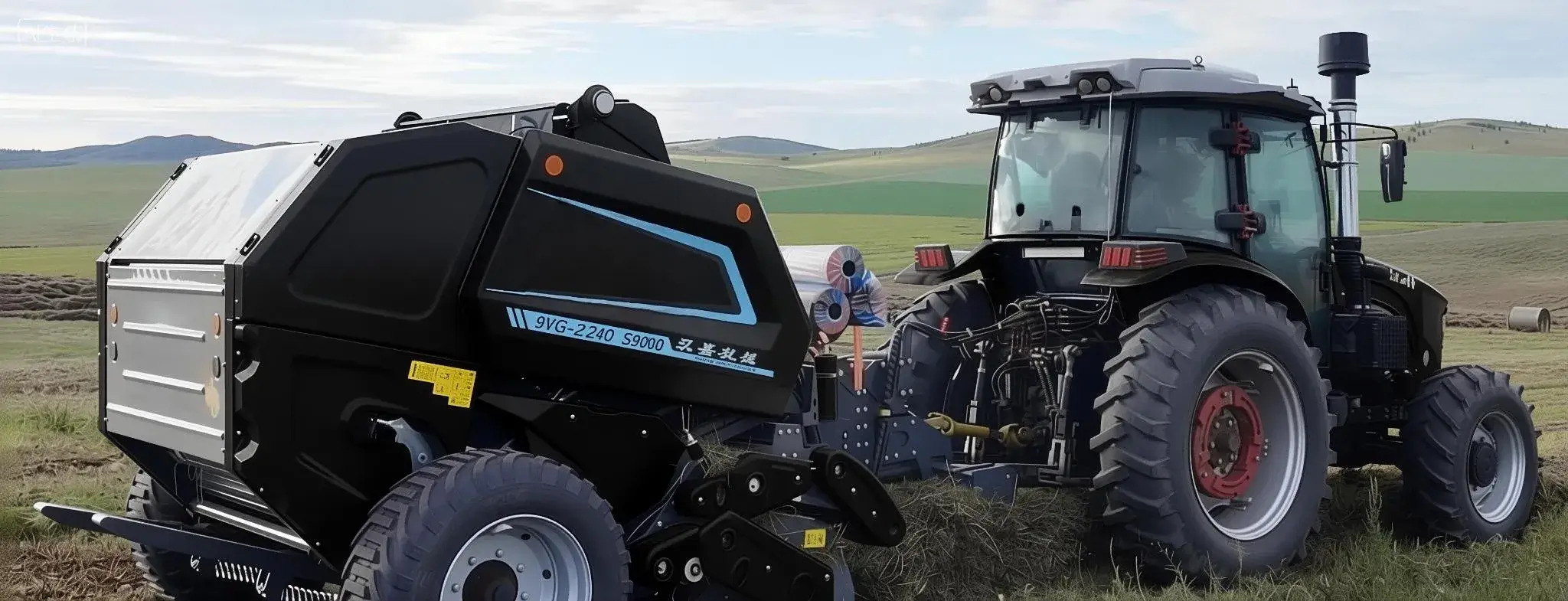
The pickup system is the first point of contact with the crop and the component most directly responsible for clogging prevention. In Central Asian cotton fields, the stalks are typically left standing after mechanical picking — the pickers do not cut or lay the stalks — which means the round baler must engage rooted material, not a windrow. For this application, the hammer-claw pickup is the required configuration, not an optional upgrade. The 9YG-1.0C model operates with a 2,400 mm wide hammer-claw pickup array of 20 claw units, where the downward-striking claw geometry physically breaks loose rooted stalks and delivers them to the feeder system in a controlled flow. Standard spring-tine pickups, designed for windrow material in a pre-cut state, deflect rather than grip cotton stalks with 18–28 mm base diameters and leave a significant percentage of material unprocessed in the field. The interchangeable pickup system on the 9YG-1.25 series provides an alternative for operations that also bale other crops across the year — the spring-tine set for hay or cereal straw, the hammer-claw kit for cotton stalks — from the same machine without additional capital cost.
Manufacturing Structure: Frame, Feeder, and Chamber Design
The main frame of a round baler machine for Central Asian cotton service should be fabricated from Q345B or equivalent structural steel with robotic MIG welding on primary load paths and CNC laser-cut structural panels. This manufacturing consistency is important because Central Asian cotton fields often include irrigation channels and bund edges that create sudden field-obstacle shock events that load the frame unevenly — hand-welded frames with variable penetration quality at critical joints have a documented tendency to develop stress cracks at these joints after one to two seasons in this service. The feeder system specification should explicitly call for the camless axial-flow design rather than a conventional cam-track assembly. In cotton stalk conditions, the cam-track groove accumulates stalk fiber and alkaline dust residue within hours of operation, progressively restricting cam follower motion until the assembly seizes. The axial-flow design used in the 9YG-1.0 and 9YG-2.24D base series eliminates the cam groove entirely, removing this failure mode from the critical path. For the compression chamber, a minimum of 18 steel rollers (Ø222 mm each) with spiral groove surface profiling ensures adequate rotational grip on rigid stalk segments across varying stalk moisture conditions typical of Central Asian autumn harvests (8–18% moisture).
4. Material System: Specification Table for Central Asian Cotton Service
The material specifications listed below are drawn from the 9YG production series and reflect the design choices made for heavy-duty, multi-environment agricultural machinery production. In the Central Asian cotton context, each material choice has a specific rationale that goes beyond generic agricultural machinery standards. Procurement specifications that do not include these material parameters risk accepting machines that perform acceptably in first-season controlled conditions but degrade rapidly under sustained exposure to alkaline dust, high ambient temperatures, and woody stalk abrasion.
5. Round Baler Gearbox Specification for Central Asian Operating Conditions
The round baler gearbox deserves particular attention in the Central Asian cotton stalk context because it faces a combination of stressors that do not occur simultaneously in any other common baling environment. High ambient temperature reduces oil viscosity and accelerates gear tooth surface fatigue. Woody stalk material creates sustained peak torque demand during bale core formation. Alkaline dust migration past inadequate shaft seals contaminates gearbox oil, accelerating internal wear. And the remote operational environment means that a gearbox failure — unlike in Korea or Japan, where parts logistics are rapid — can result in a machine sitting idle for 5–15 days waiting for replacement components. The gearbox specification therefore needs to be assessed not only on its rated performance figures but on its thermal management, oil contamination resistance, and repairability with basic workshop tools.
For Central Asian cotton stalk operations in the 50–150 ha range, the appropriate gearbox specification is a minimum of 800 Nm rated continuous input torque with a QT450 nodular cast iron housing. The larger 9YG-2.24D S9000 model specifies 1,000 Nm rated input torque with this housing material — the specification appropriate for 100–200 ha operations and for any operation running extended daily hours (8–10 hours per day) at ambient temperatures above 35°C. The PTO input speed of 720 r/min across most 9YG models matches the standard rear PTO output of all major tractor brands used in Central Asian agriculture, including Belarus (MTZ) series tractors that are numerically dominant across the region. The 9YG-1.25A model’s 540–1,000 r/min PTO range accommodation is particularly relevant for fleets where older MTZ-80 or MTZ-82 tractors with 540 r/min PTO are still in service alongside newer 720 r/min units, as it allows the same baler to be used across both tractor generations without modification.
6. Model Comparison: Matching Round Baler Specifications to Central Asian Farm Scale
The following comparison table maps the published specifications of the 9YG series round baler models to the farm scale tiers most common in Central Asian cotton production — from smallholder plots of 10–30 ha common in Tajikistan and parts of Uzbekistan to consolidated 200+ ha operations in Kazakhstan’s Turkestan region. All figures are from published manufacturer specification sheets. Bale density range of 100–200 kg/m³ applies across all models, with sensor-controlled monitoring ensuring consistency within this range regardless of stalk moisture variation during the harvest day.
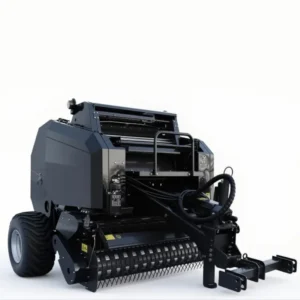
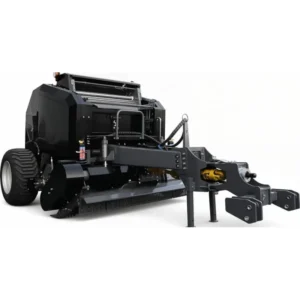
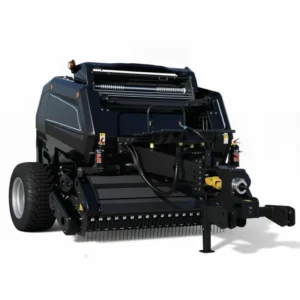
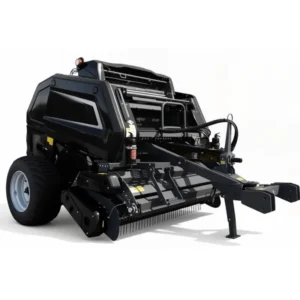
7. Full Round Baler Product Range
All models are produced under ISO 9001 quality management certification and are available for export to Central Asian and international markets with full technical documentation.
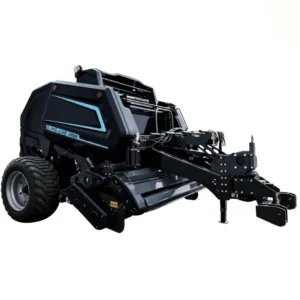
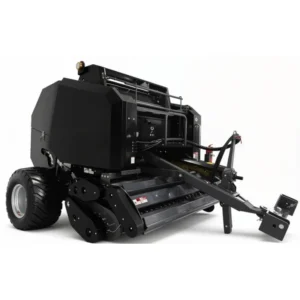
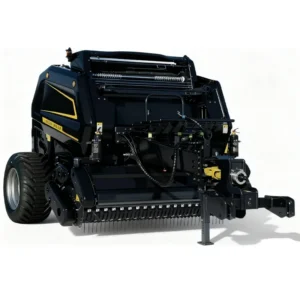
8. Regulatory Framework: Cotton Stalk Burning Restrictions and Machinery Standards Across Central Asia and Beyond
The regulatory environment for cotton stalk management in Central Asia has changed substantially since 2018. Governments across the region have moved from informal discouragement of open burning to formalized prohibition frameworks as air quality monitoring — initially deployed in capital cities and now extending to agricultural zones — has demonstrated that autumn cotton stalk burning is a primary seasonal PM2.5 source. Understanding the regulatory framework in each country is important both for compliance and for structuring the business case for round baler machine investment, since government incentive programs in several of these markets partially offset equipment acquisition cost.
Uzbekistan — Cotton Sector Modernization and Burn Policy
Uzbekistan’s cotton sector has undergone significant restructuring since 2017, when the government began dismantling the state-controlled cotton farming system and introducing market-based farming arrangements. The 2019–2025 Cotton and Textile Strategy explicitly promotes mechanized residue management as part of the sector’s environmental modernization agenda. Open burning of cotton stalks is now formally prohibited under Uzbekistan’s environmental protection legislation, with enforcement administered by the State Committee of Ecology and Environmental Protection. The renewable energy framework established by the Law on Renewable Energy Sources (2019) provides a commercial foundation for cotton stalk biomass programs that can absorb baled stalk volumes from farming operations. Machinery safety for agricultural equipment in Uzbekistan is governed by GOST standards adapted from the former Soviet technical framework — specifically GOST R 53504 (agricultural machinery — safety requirements) and related standards. Imported round balers entering Uzbekistan also need EAC (Eurasian Conformity) certification under the Eurasian Economic Union technical regulation TR CU 010/2011 (machinery safety), which requires conformity assessment by an authorized Eurasian body before customs clearance.
Kazakhstan — Agricultural Mechanization Policy and Environmental Standards
Kazakhstan’s cotton production is concentrated in the Turkestan region (formerly South Kazakhstan), where approximately 100,000–130,000 ha of cotton is grown annually under irrigation from the Syr Darya river system. Open burning of agricultural residue is regulated under Kazakhstan’s Environmental Code and the Law on Atmospheric Air Protection, with provincial environmental inspectorates in Turkestan administering enforcement. The national agricultural machinery support program — administered through KazAgro (now restructured as QazAgroFinance) — provides subsidized financing for qualifying agricultural machinery purchases. Imported machinery must meet Kazakh national standards (ST RK) for agricultural machinery safety or demonstrate conformity with the equivalent GOST or EAC standard. The EAC certification requirement applies across Kazakhstan as a member of the Eurasian Economic Union, making a single EAC certification pathway valid for Uzbekistan, Kazakhstan, Russia, Belarus, Kyrgyzstan, and Armenia — an important consideration for manufacturers exporting to multiple markets simultaneously.
Turkmenistan and Tajikistan
In Turkmenistan, cotton production remains heavily state-directed, with the government controlling procurement and machinery allocation through the Ministry of Agriculture and Environmental Protection. Open burning is discouraged by policy but enforcement is irregular. The renewable energy law passed in 2017 creates a framework for biomass energy development, though cotton stalk utilization programs remain limited. Machinery imports must comply with Turkmenistani certification requirements, which follow a GOST-based framework. In Tajikistan, cotton production is predominantly smallholder, with plots averaging 1–5 ha across the Vakhsh and Kofarnihon valleys. Agricultural mechanization support is provided through the Ministry of Agriculture, with international donor-funded programs (ADB, World Bank) having historically supported mechanization projects. Environmental regulations on burning follow a broadly similar GOST-derived framework, though enforcement capacity is limited. Mini round baler and small round baler configurations in the compact 48–80 kW range are more relevant to Tajikistan’s plot structure than large-capacity machines.
South Korea — Regulatory Relevance as an Import Market
South Korea is included in this regulatory overview because it is both a procurement market for internationally certified round baler machines and a potential buyer of certified baled cotton stalk biomass from Central Asian suppliers. Korean buyers importing round balers should confirm compliance with KS B 6007 (Korean agricultural machinery safety standard) and eligibility for the Rural Development Administration (RDA) equipment financing program at 1.5–2.0% per annum. Manufacturers exporting to both Central Asia and Korea benefit from maintaining EAC certification alongside CE certification and Korean KS conformity documentation — a complete export compliance package that is increasingly requested by Korean agricultural cooperatives sourcing internationally.
European Union — Cotton Region Standards
EU cotton-producing regions in Greece (Macedonia, Thessaly) and Spain (Andalusia) require CE marking under Machinery Directive 2006/42/EC for all agricultural machinery. The harmonized standard EN 703 covers crop harvest and processing machinery safety, and EN 12965 covers PTO drive shaft requirements. While EU production volumes are much smaller than Central Asian totals, the CE certification pathway is often maintained alongside GOST/EAC certification by round baler manufacturers seeking to demonstrate a comprehensive international compliance portfolio to Central Asian buyers who increasingly regard CE marking as a proxy indicator of product quality level.

9. Compatible Components: Agricultural PTO Shaft and Drive Chain
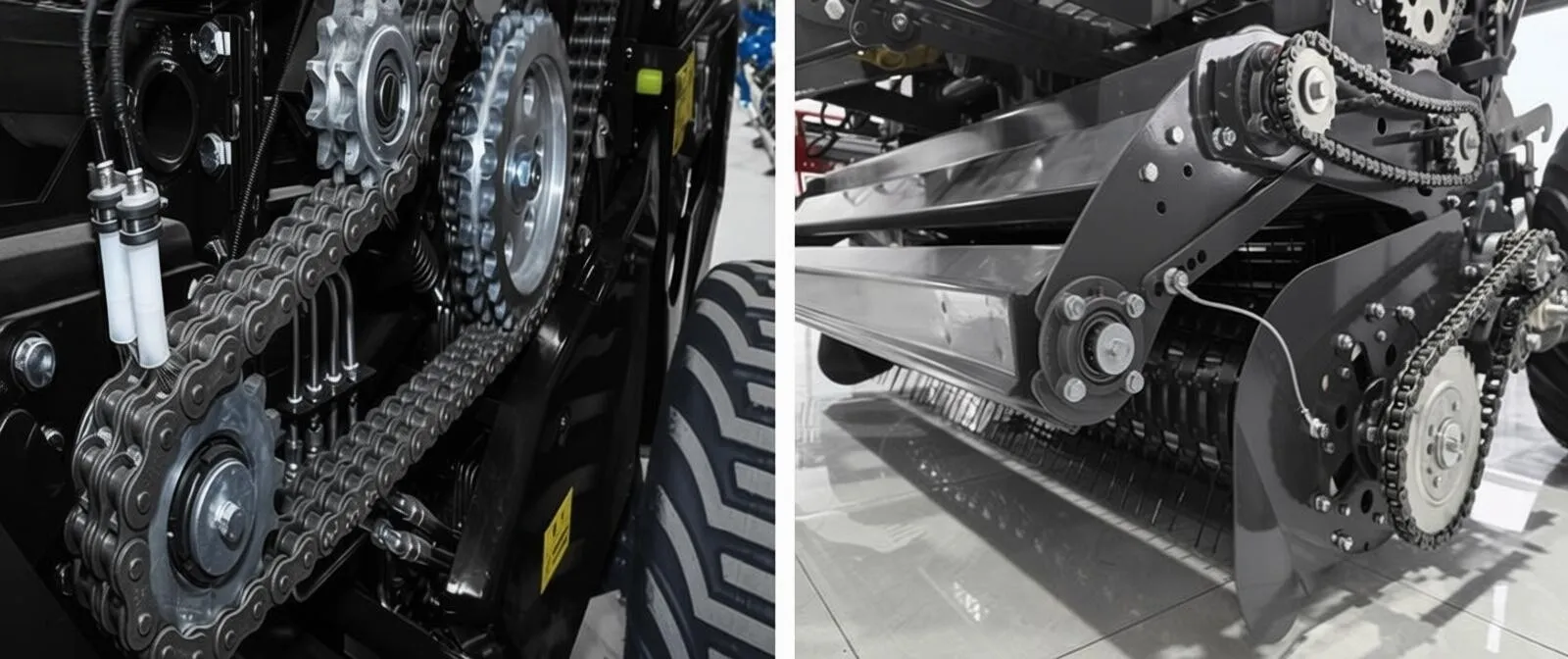
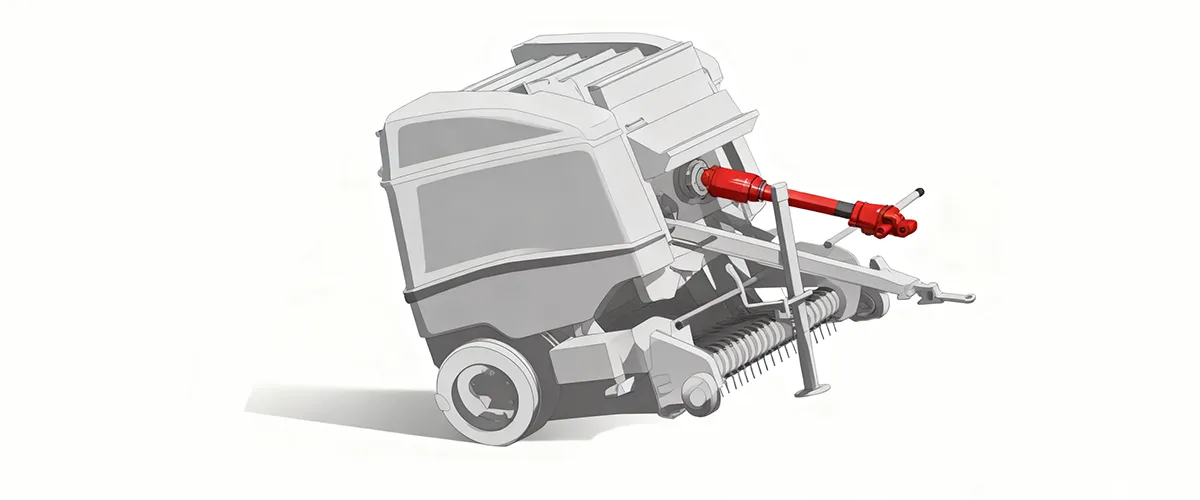
In Central Asian cotton stalk applications where ambient temperatures exceed 35°C and peak gearbox torque is sustained for hours, the PTO shaft connecting the tractor to the round baler machine must be rated for the full torque demand of the baler’s compression chamber — not merely the average torque of a lighter hay application. A purpose-rated Agricultural PTO Shaft for round balers with an integrated overrunning clutch prevents reverse-shock damage to the tractor PTO when a dense cotton stalk slug enters the chamber and momentarily stalls bale rotation. Drive chain in both the feeder (16A) and rear chamber (20A) assemblies should be sourced to the factory specification — and a pre-season full replacement kit is a standard procurement item for operations that cannot accept mid-harvest chain failure in areas where replacement parts take 15–25 days to arrive from international warehouses.
Overrunning clutch and shear-bolt torque limiter options. Purpose-rated for round baler continuous torque demands in cotton stalk service.
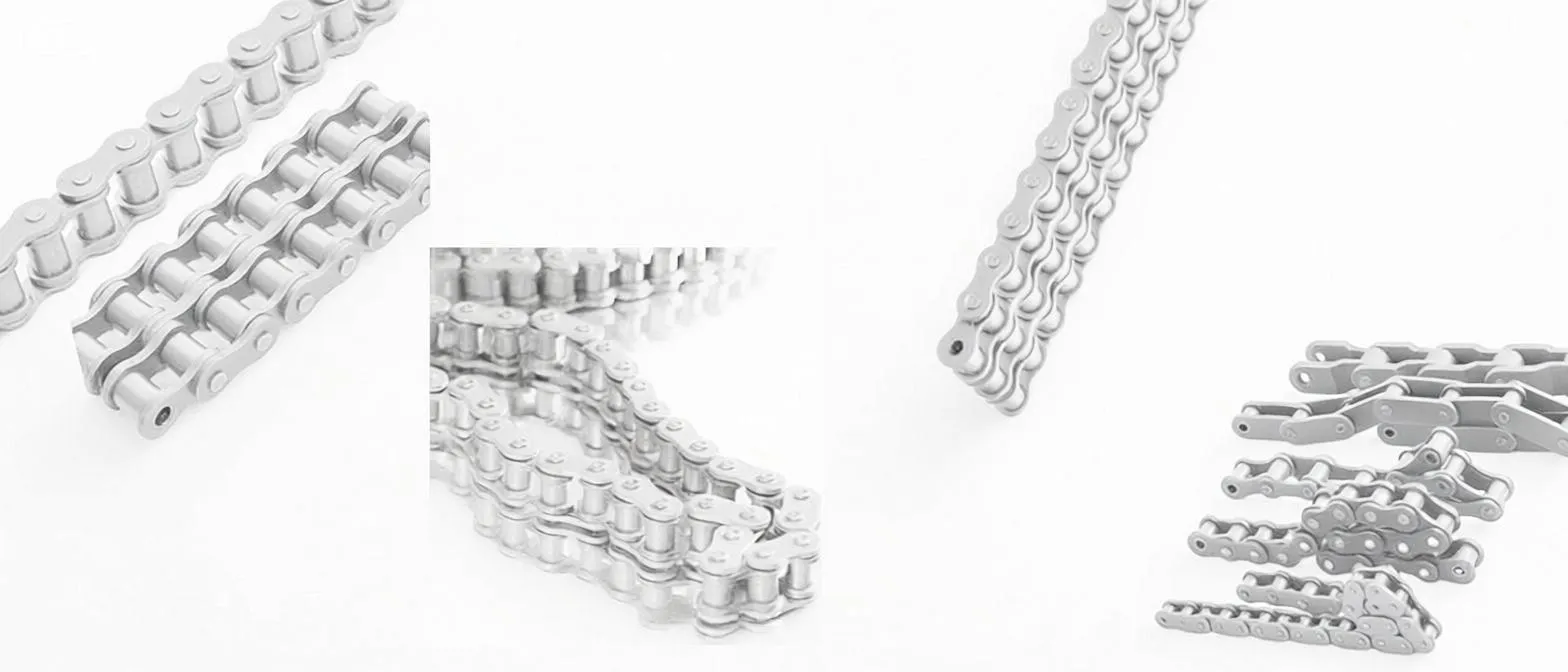
Factory-specification roller chain in 16A (feeder) and 20A (rear chamber) grades for 9YG series balers. Surface-hardened pins for extended service in alkaline dust and woody stalk environments. Available as pre-season full replacement kits matched per baler model.
10. Pre-Season Preparation: Parts Kit and Maintenance Planning for Central Asian Cotton
The operational remoteness of most Central Asian cotton-growing areas means that pre-season preparation is not simply a best practice — it is the difference between completing the harvest and leaving a breakdown machine in the field for two weeks while parts travel from international sources. The standard pre-season preparation for a round baler machine in Central Asian cotton service should include the following: a complete set of hammer-claw pickup units (20 pieces for the 9YG-1.0C; confirm kit size for other models), one complete feeder chain set (16A, model-specific length), one complete rear chamber chain set (20A, model-specific length), all tailgate cylinder hydraulic seal kits, net wrap stock calculated at 1.0–1.2 rolls per 100 bales for the expected season production, gearbox oil quantity for a mid-season change (using GL-4 or GL-5 at 80W-90 viscosity), and bearing grease for all non-sealed bearing locations.
Daily maintenance during the cotton stalk season should include a 20–30 minute post-session fiber clearing procedure at all rotating shaft locations — particularly the feeder auger shaft, pickup tine bar bearings, and net wrap guide roller. Cotton fiber strands accumulate at these locations faster than in any other round baler application, and the combination of alkaline dust and fiber creates a bonded residue that is significantly harder to remove after overnight drying. Chain tension should be checked every 20 hours rather than the standard 30-hour interval. Gearbox oil should be monitored daily for level — any unexplained drop signals a seal weep that should be addressed before it progresses to a full seal failure. At ambient temperatures above 38°C, reduce continuous operating periods to 3–4 hour sessions with a 30-minute rest period to allow gearbox oil temperature to stabilize before resuming.
Frequently Asked Questions
Redaktör: PXY