Pasture / Meadow Grass Baling — Livestock Farm Guide
A practical, engineering-led guide to selecting, operating and maintaining a round baler on working grassland — from mechanically honest specs to regulatory compliance across export markets.
Running a livestock farm of 50 to 200 hectares means you are constantly balancing feed security with operational cost. Pasture and meadow grass need to be baled at the right moment — too early and the bale is wet and prone to heating; too late and leaf loss strips out the protein your animals depend on over winter. A well-matched small round baler lets you act on that narrow cutting window yourself, without waiting for a contractor and without the capital outlay of a machine sized for three times your acreage. Owning a dedicated máy ép kiện tròn rather than relying on contract services also means you decide when the crop condition is optimal, not when a third-party schedule permits.
This guide works through the mechanical structure, materials science, drive and gearbox engineering, crop-specific handling requirements, regulatory landscape, and practical selection criteria that actually matter on a 50–200 ha operation. Product references are drawn from the EP máy ép kiện tròn range, which has been factory-certified to ISO 9001 quality standards and proven across diverse climates from Northeast Asia to Central Asia. Every section is written with the working farmer in mind — not the machinery distributor.
Whether you are replacing aging equipment, scaling up from manual collection, or evaluating a máy ép kiện tròn purchase for the first time, the sections below are designed to give you the engineering context you need — not just a brochure summary. By the end you should have a clear picture of which machine class suits your farm, what regulatory steps apply in your market, and what ongoing maintenance commitment a máy ép kiện tròn realistically requires.
What Is a Small Round Baler and Why Pasture Scale Matters
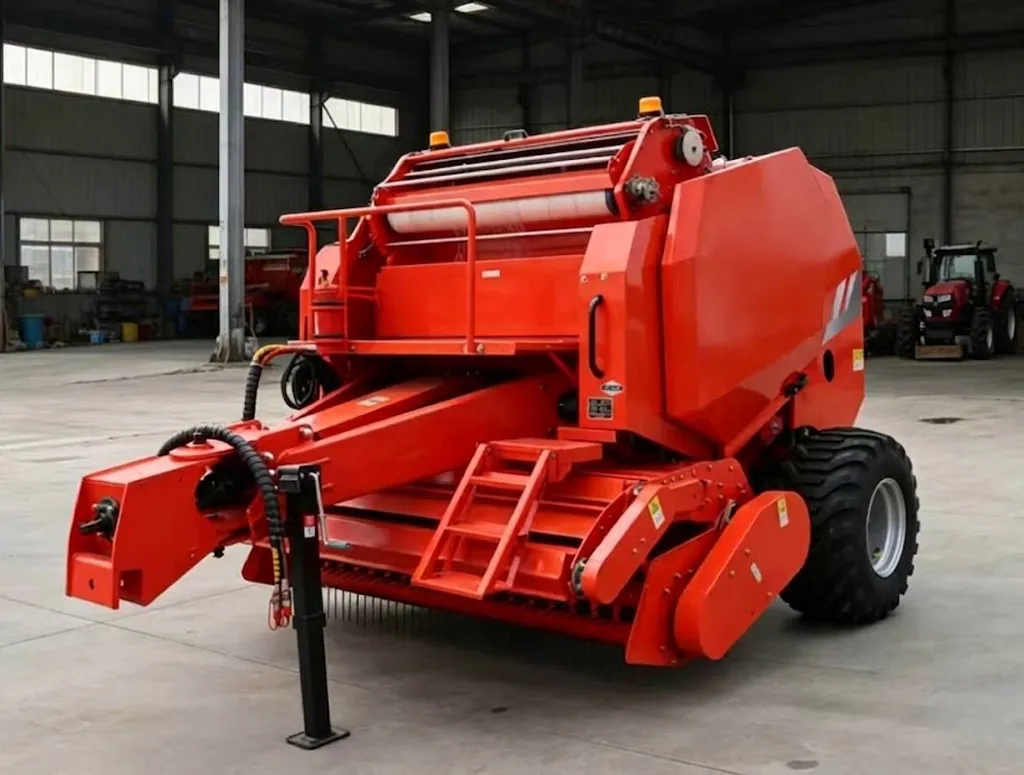
A máy ép kiện tròn — sometimes called a round hay baler — is a trailed machine powered through the tractor PTO that collects cut and wilted grass from windrows, compresses it progressively into a cylindrical bale, wraps it with twine or net, and ejects it onto the field for collection or in-situ wrapping. The term “small” in this context refers to machines producing bales with a finished diameter between 800 mm and 1 000 mm, a range specifically suited to tractors in the 30–65 PTO-horsepower bracket.
At 50–200 ha, the operational logic is quite different from a large arable contractor’s machine. You are likely running multiple paddocks with irregular shapes, managing a mixed sward of grasses and legumes, and baling at several points in the season rather than in one intensive run. That demands a machine that is easy to hitch and unhitch, manoeuvrable in gateways, and economical on fuel per bale — priorities that favour a compact, well-designed small round baler over a scaled-down version of a 200 hp commercial unit.
Bale weight at this diameter typically runs 100–280 kg for dry hay and 250–450 kg for silage, depending on density settings and crop moisture. That weight range is within reach of a standard front loader, keeping handling costs low and reducing the need for a dedicated bale chaser or telehandler on smaller units of the farm. The máy ép kiện tròn remains the most practical single-machine investment a mid-scale livestock farmer can make for feed security — more so than either contractor dependency or a mini hay baler whose throughput would be inadequate for 50 ha and above.
Manufacturing Structure
The structural architecture of a pasture-duty round baler machine can be broken into four principal assemblies: the main frame and drawbar, the pickup and crop delivery system, the bale-forming chamber, and the tailgate and ejection mechanism. Each contributes uniquely to long-term reliability on uneven grassland.
Main Frame & Drawbar
Built from cold-formed and hot-rolled structural sections, the main frame carries all torsional loads generated during pickup engagement and bale compression. On quality machines the frame is shot-blasted before painting to eliminate mill-scale pockets that accelerate rust propagation in field conditions. The drawbar hitch is adjustable to accommodate multiple tractor hitch heights without shimming, which matters when the machine moves between tractors across a farm.
Pickup Assembly
The pickup is the first mechanical contact with the crop. Spring-tine or cam-follower tine systems lift and transfer the windrow into the intake auger or rotor. On pasture applications where the windrow sits lower to the ground than straw, ground-following ability is critical — a rigid pickup misses material in wheel tracks and furrows, while a floating pickup conforms to the surface and maintains consistent feed. Pickup widths on small balers typically range from 1 500 mm to 1 800 mm.
Bale-Forming Chamber
Most compact round balers use a fixed-chamber design where a series of rollers or rubber belt segments form the bale against the chamber wall. Variable-chamber variants, which expand outward during bale formation, are less common at this size tier but allow density adjustment on the fly. The roller count, roller diameter, and inter-roller spacing all influence bale surface quality and the tendency to produce a loose outer layer that sheds during storage.
Tailgate & Ejection
The tailgate swings or folds upward to release the finished bale. On many small balers this is a hydraulic operation controlled from the tractor seat, which is the preferred configuration for solo operators. The ejection ramp angle, if present, controls how the bale lands and rolls after release, which matters on slopes where an uncontrolled bale can travel a significant distance before stopping.
Understanding these four assemblies in sequence helps you evaluate manufacturer claims more critically: a frame that flexes at the baler-tractor junction creates micro-movement in PTO shaft alignment, which accelerates universal joint wear regardless of how well the joints themselves are made. Structural integrity starts at the drawbar hitch, not at the bale.
Material System — What the Steel Grades Actually Mean in Practice
Material selection in a máy ép kiện tròn is less visible to the buyer than any other engineering decision, yet it has the longest influence on total cost of ownership. Three zones demand particularly careful material choices in a pasture-duty machine:
| Zone | Typical Material | Why It Matters on Pasture |
|---|---|---|
| Main chassis & frame rails | Q345B high-strength structural steel | Provides yield strength of 345 MPa, resisting permanent deformation when the baler traverses ridge-and-furrow grassland at working speed |
| Pickup tines | Spring steel (65Mn or 60Si2Mn) | Must flex on stone or hard ground contact without snapping; spring steel grades restore to original profile after deflection, protecting the pickup rotor body |
| Chamber rollers | Hardened alloy steel, often induction-treated | Roller surface must resist abrasion from grit carried in with the crop while maintaining dimensional accuracy for consistent bale shape |
| Gearbox housing | Cast iron or ductile iron (QT500) | Good damping of vibration transmitted from PTO; dimensional stability over wide temperature range important in both hot summers and cold winters |
| Twine/net wrap guides | Nylon or UHMWPE polymer | Low friction coefficient prevents wrapping material from fraying; UV-stabilised compounds extend service life in outdoor storage conditions |
| Hydraulic cylinders (tailgate) | Chrome-plated carbon steel rod | Chrome plating resists surface corrosion from morning dew and silage juice, protecting the seal and preventing pitting that leads to oil leakage |
The surface coating system applied to the frame is often overlooked during purchase. A two-pack epoxy primer followed by a polyurethane topcoat offers significantly better adhesion and chemical resistance than conventional solvent-based enamels — important given that baled silage produces acetic and lactic acids that will attack paint if the coating system is marginal.
On machines targeting the EP round baler range, the use of Q345B-grade structural steel throughout the primary frame provides a measurable advantage in fatigue life when operating continuously across the uneven surface of a grazed paddock, where the baler experiences repeated asymmetric loading as it crosses drainage channels and old ridge lines.
Drive Train and Round Baler Gearbox Engineering
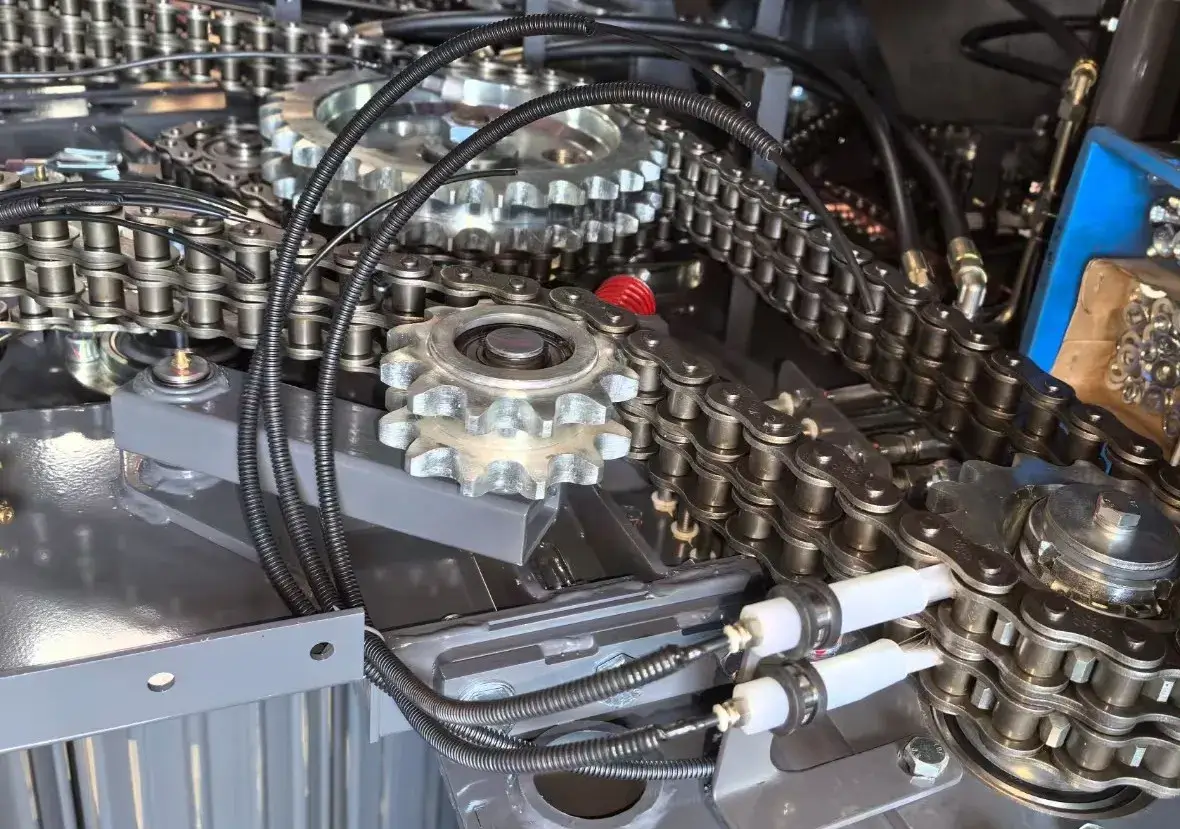
Cái round baler gearbox is the load-distribution hub of the entire machine. Power arrives from the tractor via the PTO shaft at a standardised 540 rpm (or 1 000 rpm on larger units) and must be distributed to the pickup rotor, the feed rotor or auger, and the chamber forming rollers — each running at different operational speeds. A correctly specified gearbox achieves this through a combination of spur-gear stages and chain-drive reduction stages.
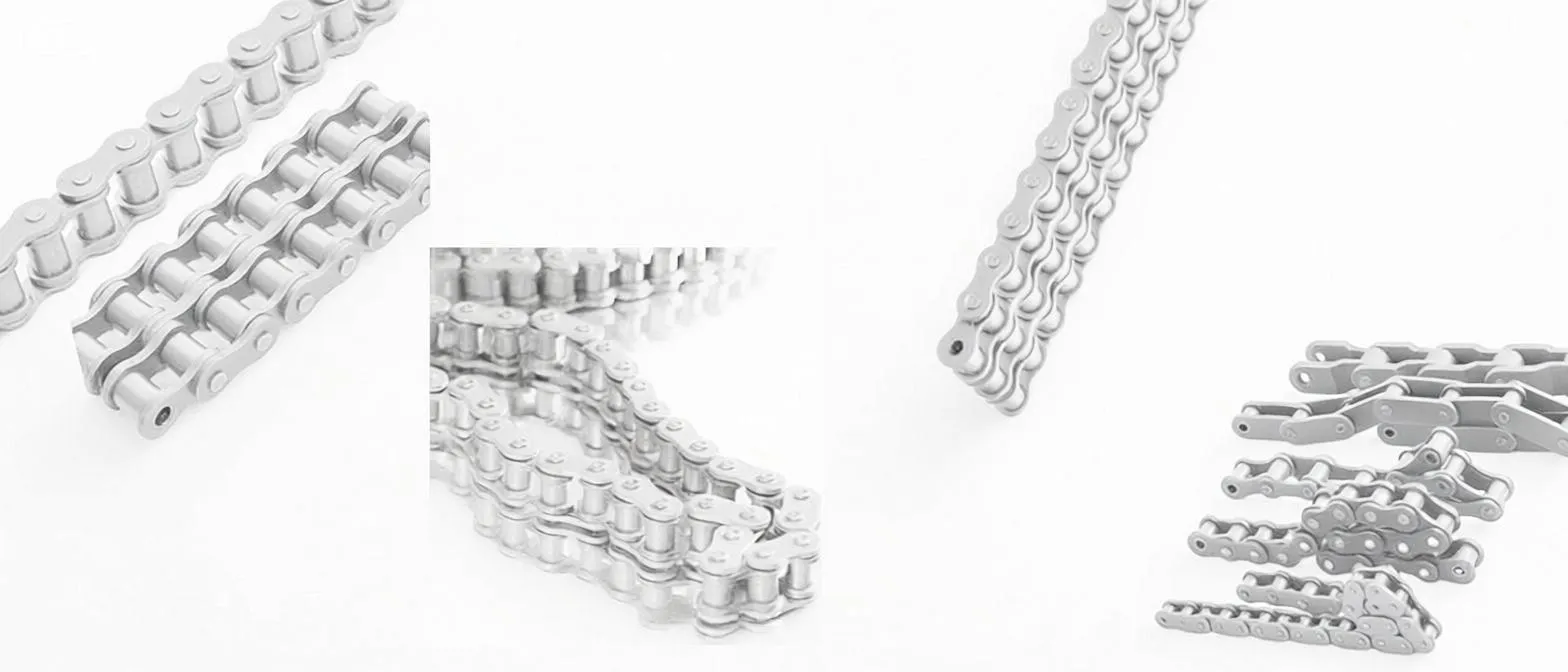
Chain drives in the secondary distribution stages offer compliance benefits — the chain absorbs shock loads that would otherwise be transmitted as vibration into the gearbox housing — but require regular tension checking and lubrication. In a pasture context where the baler may accumulate 200–400 operating hours in a concentrated seasonal window, a chain inspection interval of every 50 hours is a practical minimum. Sealed chain cases reduce ingress of crop dust and grit, which is the primary cause of premature chain and sprocket wear in field conditions.
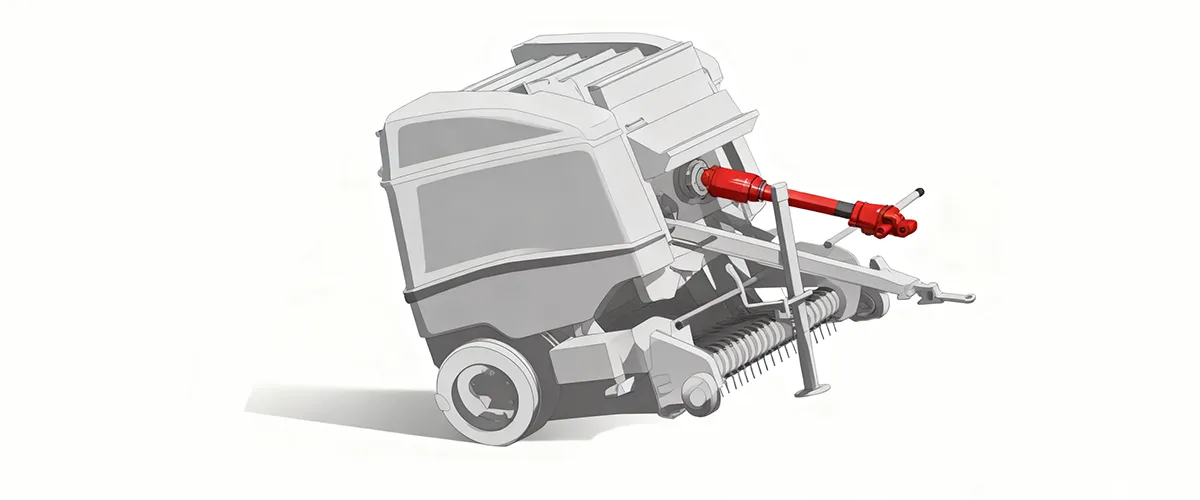
The PTO shaft connecting tractor to baler is equally important. For a small round baler for a 40 hp tractor application, a shaft with a 35 mm smooth bore or 6-spline 1 3/8-inch coupling is standard at 540 rpm PTO speed. Shaft length must be matched to the operating range of the baler’s hitch geometry — too short and the shaft bottoms out on turns; too long and the overrun clutch drags on the baler input shaft during tight manoeuvres.
Overrun clutches — sometimes called freewheel clutches — allow the máy ép kiện tròn rotating mass to continue spinning briefly after the tractor throttle is closed, preventing PTO shaft wind-up and shock loads on re-engagement. They are a low-cost component that has a disproportionately large impact on round baler gearbox longevity, and their condition should be checked at the start of every baling season. A worn or seized overrun clutch is one of the most common causes of premature gearbox failure on an otherwise well-maintained máy ép kiện tròn.
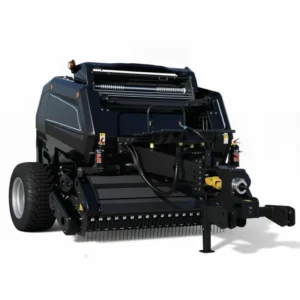
Recommended Product for 50–200 Ha Pasture Operations
Pasture and Meadow Grass: Crop-Specific Handling Requirements
Pasture grass presents a distinct set of challenges compared to cereal straw. The fibre length is shorter, the moisture at cutting is higher, and the leaf-to-stem ratio means the crop is far more easily bruised and damaged during mechanical handling. Getting the most out of a round hay baler on grassland involves understanding how these properties interact with machine settings.
Moisture Content
Target wilted hay moisture of 18–25% for dense, stable bales. Below 15% and the grass becomes brittle, losing leaves in the pickup and producing a loose bale surface. Above 30% significantly increases the risk of heating and mould development, particularly at the bale core where air exchange is minimal after wrapping.
Windrow Formation
A well-formed windrow of consistent width and density is fundamental to baler performance. An uneven windrow causes the pickup to overload on one side, stressing the pickup shaft bearings asymmetrically and producing a barrel-shaped or conical bale rather than a true cylinder. Single-rotor rakes typically produce better windrow uniformity on short pasture grass than wheel rakes in light crop conditions.
Ground Clearance
Pasture paddocks grazed by cattle or sheep develop a surface topography quite different from arable fields. Cattle pugging creates soft depressions; sheep tracks cut parallel ruts across slopes. The pickup must be set low enough to collect the windrow without scalping the turf, which risks soil and stone ingestion damaging the pickup tines and contaminating the bale.
Wrapping Choice
For dry hay intended for barn storage, twine wrapping is sufficient and economical. For haylage or silage bales intended for field storage, net wrap followed by stretch film is the industry standard — net wrap stabilises the bale for film application, and a minimum of four layers of 25-micron silage film produces adequate oxygen exclusion across most storage durations up to 12 months.
The EP-9YG series máy ép kiện tròn accommodates both twine and net wrap systems, which is the practical starting point for any pasture farm considering its options. Committing to a twine-only máy ép kiện tròn at purchase locks you out of the haylage flexibility that becomes increasingly important as summer weather becomes less predictable in most livestock-farming regions. The ability to switch wrapping modes on the same machine without modification is a feature worth prioritising when comparing specifications between competing models in the small máy ép kiện tròn loại.
Tractor Matching: Getting the Power Equation Right for a Small Farm Round Baler
The most common technical mistake when buying a small round baler for a 40 hp tractor is comparing baler minimum-power requirements to the tractor’s engine horsepower rather than its PTO horsepower. These two numbers are not the same. Drivetrain losses between the engine and PTO stub absorb 10–18% of engine output depending on tractor design and oil temperature. A tractor showing 40 engine HP may deliver only 33–36 PTO HP in real working conditions.
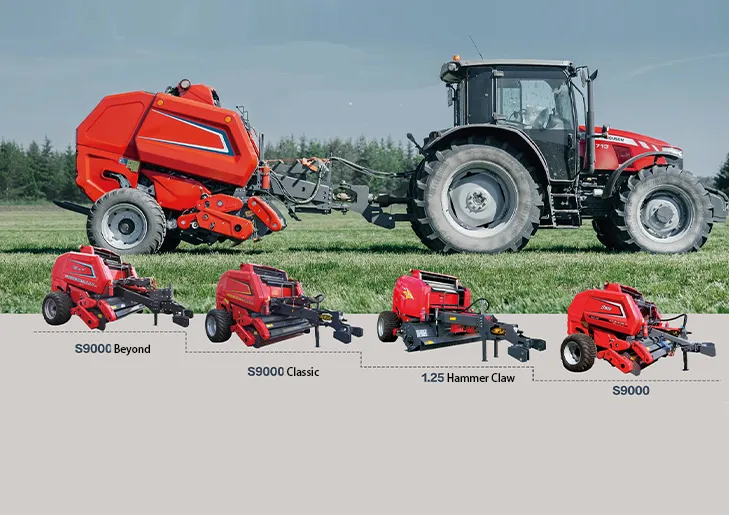
| Farm Size (ha) | Recommended PTO HP Range | Suitable EP Model | Approximate Bales per Hour |
|---|---|---|---|
| 50–80 ha | 30–45 PTO HP | EP-9YG-1.0 | 20–35 bales/h (dry hay) |
| 80–150 ha | 45–60 PTO HP | EP-9YG-1.25 / 1.25A | 35–50 bales/h (dry hay) |
| 150–200 ha | 55–75 PTO HP | EP-9YG-2.24D / 2.24D-Classic | 50–70 bales/h (dry hay) |
Tractor weight also matters on soft pasture. A máy ép kiện tròn imposing a heavy hitch load on a lightweight tractor during field operation can reduce front-axle steering traction on slopes, creating a genuine safety concern on hillside paddocks. The general guidance is that the máy ép kiện tròn weight should not exceed 50% of the tractor unladen weight for slope work. This is worth verifying in the tractor handbook rather than estimating from memory. Getting the power and weight match right at the point of purchase is far less costly than discovering an incompatibility on a wet hillside paddock mid-season.
Regulatory and Compliance Landscape for Round Balers
Agricultural machinery operating on public roads or imported across national borders must comply with a range of safety, emissions, and type-approval regulations. The requirements vary significantly by market, and understanding them upfront saves time and cost at the point of import clearance or inspection.
South Korea (KR)
The primary regulatory body for agricultural machinery in South Korea is the Rural Development Administration (RDA). Each máy ép kiện tròn and related harvesting machine is subject to the Agricultural Mechanization Promotion Act (농업기계화촉진법), which governs safety performance standards and registration requirements for imported machinery. The Act requires that imported machines either hold a Korean type-approval certificate issued by the Korea Agricultural Machinery Industry Cooperative (KAMICO) or an equivalent certification recognised under bilateral agreements. Machines used as trailed implements towed on public roads must additionally comply with Road Traffic Act provisions on maximum towed width (typically 2.5 m on general roads, 3.0 m with permit) and must carry the required lighting and marking. Korean farms receiving government subsidy for mechanisation equipment must purchase machines listed on the RDA’s approved subsidy register, making local agent certification a commercial as much as a regulatory concern.
European Bloc (EU)
Within the EU, trailed agricultural machinery such as a máy ép kiện tròn falls under Regulation (EU) 167/2013 on the approval and market surveillance of agricultural and forestry vehicles, which replaced the previous Directive 2003/37/EC. Under this framework, a round baler as a trailed non-self-propelled machine falls into category R (trailer) or S (interchangeable towed equipment), depending on its design. Machines in category S do not require type-approval for placement on the EU market, but must still comply with the Machinery Directive 2006/42/EC, which mandates a CE marking, a Declaration of Conformity, and a user manual in each official language of the country of sale. The Machinery Regulation (EU) 2023/1230, entering full application from January 2027, will replace the Machinery Directive and introduces updated essential health and safety requirements. Operators should plan to verify the compliance status of any machine purchased after mid-2025 against the new Regulation’s requirements.
Australia (AU)
Australia does not have a federal type-approval process for trailed agricultural machinery equivalent to the EU system. However, operators must comply with state Work Health and Safety (WHS) legislation, which requires that a máy ép kiện tròn placed in service be safe by design and accompanied by relevant documentation including operator manuals and maintenance schedules. The Safe Work Australia Code of Practice for the Management of Work Health and Safety Risks on Agricultural Machinery provides guidance on risk assessment and guarding standards. Machinery imported for commercial use must comply with Australian Consumer Law requirements for acceptable quality and fitness for purpose. Customs classification falls under Chapter 84 of the Customs Tariff Act 1995, with round balers typically classified under 8433.40.00 (straw or fodder balers, including pick-up balers).
North America (US / Canada)
In the United States, agricultural machinery safety is governed at the federal level by the Occupational Safety and Health Administration (OSHA) 29 CFR Part 1928 (Agriculture), which sets general guarding and safe-operation requirements. The American Society of Agricultural and Biological Engineers (ASABE) publishes voluntary standards — notably ASABE S361 covering PTO speeds, stub dimensions, and shielding requirements — that are widely referenced in commercial contracts and insurance policies. Canada’s agricultural machinery requirements are harmonised closely with US practice at the federal level, with additional provincial legislation governing road transport of oversized agricultural equipment. The Canadian Food Inspection Agency (CFIA) has no direct jurisdiction over round balers, but does regulate forage quality standards relevant to the end product (baled hay or haylage) when traded interprovincially.
Kazakhstan / Central Asia
In Kazakhstan and other Eurasian Economic Community (EAEU) member states, agricultural machinery is subject to the EAC (Eurasian Conformity) marking requirements under Technical Regulation TR TS 010/2011 on the safety of machinery and equipment. Machines must undergo certification through an accredited body and carry the EAC mark before distribution. Import duties on agricultural machinery in Kazakhstan are set within the EAEU Common External Tariff framework, with HS code 8433.40 (balers) attracting a rate that has historically been set at 0% for machines without domestic equivalents, though this can change under annual tariff review. Machines exported to Kazakhstan require a Certificate of Origin and, for subsidised purchases, compliance with the Ministry of Agriculture’s approved equipment register.
The EP máy ép kiện tròn range holds ISO 9001 Quality Management System certification and has been designed with CE marking requirements in view, making it a practical starting point for buyers in EU and EU-adjacent markets. For Korean buyers specifically, the combination of RDA-alignment and the documented field performance record across similar climatic zones strengthens the case for this máy ép kiện tròn range over less thoroughly documented alternatives in the same size class.
Practical Maintenance Schedule for a Pasture Round Baler
A máy ép kiện tròn used exclusively for pasture work will typically accumulate 150–350 operating hours per year on a 50–200 ha livestock farm. That’s intensive enough to justify a structured maintenance approach but not so demanding that complex electronic monitoring is necessary. The table below outlines a pragmatic interval schedule.
| Interval | Task | Component |
|---|---|---|
| Daily / Each use | Visual check of pickup tines; twine/net wrap path clear of blockages; hydraulic hose condition | Pickup, wrap system, hydraulics |
| Every 10 h | Grease all lubrication points; check PTO shaft guards seated correctly | Bearings, PTO shaft |
| Every 50 h | Check and adjust chain tension; inspect roller surfaces for scoring; check belt splice integrity (if belt-type chamber) | Chain drives, rollers, belts |
| Every 100 h | Gearbox oil level check; inspect drawbar hitch pin and locking ring; check tailgate hinge bolts for torque | Gearbox, hitch, tailgate |
| End of season | Drain and replace gearbox oil; replace worn tines; touch up paint on scraped frame areas; store with pickup raised | Gearbox, pickup, frame |
Storing the máy ép kiện tròn at season end with the pickup assembly raised off the ground prevents tine corrosion from ground moisture contact and reduces load on the pickup spring-tine suspension during the months the machine is static. A simple timber block or purpose-made stand under the pickup axle accomplishes this at minimal cost. Thorough end-of-season care will add measurable years to a máy ép kiện tròn service life on a farm where the machine might otherwise stand in the open through a wet autumn and winter.
Bale Quality, Density, and Outdoor Storage
Bale quality from a pasture máy ép kiện tròn is measured across three dimensions: density uniformity, surface integrity, and nutritional retention. All three are influenced by machine settings, crop condition at baling, and storage protocol. A bale that looks acceptable at ejection may still lose 20–30% of its digestible energy over 12 weeks of outdoor storage if the surface is loose or the wrap coverage is insufficient. Selecting the right máy ép kiện tròn for your forage type and then operating it at correct settings is therefore not just a machinery decision — it directly determines feed value for your livestock through the winter period.
Density uniformity is primarily a function of consistent windrow feed rate and chamber pressure settings. At 115 kg/m³, a bale is loosely compressed and will deform significantly under its own weight when stored in large stacks, creating high-contact-pressure zones that generate heat at the bale edge. At 180–200 kg/m³, a bale maintains its shape through the stack and the fermentation environment inside a silage bale is more evenly anaerobic. The pressure relief valve on the hydraulic system must be set correctly to consistently reach target density — this is a 10-minute calibration that has a meaningful effect on every bale the machine produces.
Outdoor storage of wrapped haylage bales should follow established protocols: store on a well-drained, stone-free surface (crushed limestone or compacted gravel is preferred), keep the base of the bale stack no deeper than two bales high to allow some aeration around the stack perimeter, and check wrap integrity at 4–6 week intervals to identify punctures before aerobic spoilage develops. A puncture repair kit — essentially rolls of UV-resistant self-amalgamating tape — is a low-cost item that can prevent significant feed losses.
For dry hay, the equivalent priority is ensuring that the bale reaches moisture content below 18% before wrapping with net and that barn storage offers adequate air movement between bales to continue any residual drying. Hay stacked too tightly in a barn with poor ventilation at 20–22% moisture will heat significantly in the first two to three weeks, losing both dry matter and vitamin E in particular.
Related Products: Compatible Accessories for Your Round Baler Setup
A round baler operates as part of a system. The two accessories with the greatest impact on machine longevity and daily operational efficiency are the PTO shaft and the drive chain. Selecting compatible, quality components from the outset reduces downtime risk significantly during the baling season.
Agricultural PTO Shaft
A correctly rated PTO shaft is the single most important external accessory for a round baler. The shaft must match the baler’s input coupler profile (typically 1 3/8 inch, 6-spline at 540 rpm for small balers), operate within its designed angular range throughout the full range of tractor-to-baler steering angles, and include a functional overrun clutch to protect the gearbox on deceleration. EP-compatible PTO shafts for round baler applications are available and engineered specifically for the torque envelope and operating angles that round baler service imposes, including reinforced safety shields that comply with CE guarding requirements.
Agricultural Drive Chain
Agricultural roller chain in the round baler secondary drive train is often an afterthought at purchase — until it snaps mid-field during the one narrow weather window of the season. The key specifications are pitch (typically 12.7 mm pitch for #40 chain or 15.875 mm for #50 in heavier-duty applications), breaking load relative to the peak torque demand of the chamber drive, and the corrosion protection standard of the outer plates and pins. Heavy-duty agricultural chain with nickel-plated or case-hardened pins maintains its dimensional integrity in the grit-laden, moisture-exposed environment inside a baler chain case far longer than standard transmission chain of equivalent pitch. Keeping a matched spare link set in the tractor cab costs very little and eliminates the need to abandon a field at a critical time.
Over a Decade of Agricultural Machinery Experience
Since our founding in 2013, we have grown into a modern, intelligent manufacturing enterprise serving the agricultural and livestock machinery sector. Our product line centres on harvesting and baling technology — light and heavy round balers, single and double-blade mowers, disc rotary mowers, and single and double-side rakes — all developed through continuous investment in production capability and field-validated engineering. We hold independent import and export rights and operate under ISO 9001 Quality Management System certification.
The manufacturing facility runs more than 60 sets of large-scale production equipment including CNC laser cutting lines and electrostatic spray finishing systems, supporting an annual design capacity of 2 000 units. Every unit that leaves the factory has been built against documented process standards and checked against dimensional tolerances before shipment. Our technical team provides first-time-user training and conducts annual follow-up contact with farm operators to track real-world performance and feed findings back into product development.
We supply farms across Northeast Asia, Central Asia, Europe, and Southeast Asia, with machines operating in climates that range from the continental winters of Mongolia to the humid summers of southern Korea. That breadth of field experience informs every design decision in the EP round baler range.
Founded
2013
Production Equipment
60+ Large-Scale Sets
Annual Capacity
2,000 Units
Certification
ISO 9001 QMS
Ready to find the right round baler for your livestock farm?
Browse the complete EP round baler range — from compact 30-hp-compatible models to higher-throughput units for larger operations. Specifications, images, and direct enquiry options are available on each product page.
Frequently Asked Questions
Biên tập viên: PXY