Reed and Wetland Grass Baling — Adjustment Guide
A practical technical guide for wetland operators, biomass contractors, and Korean riverbank reed harvesters looking to eliminate pickup tine slippage, mat bridging, and stem wrapping on Phragmites and mixed wetland grass windrows.
Pickup spring tension is one of the least-discussed adjustments on a round baler, but in reed and wetland grass baling it is frequently the difference between a productive day and a morning spent clearing blocked feed zones. The spring tension setting on a round baler controls how much downward preload the tines maintain on the windrow surface as the pickup drum rotates. Too little tension and the tines bounce off the top of a heavy, tangled reed mat without penetrating it. Too much tension forces the tines into soil beneath a flat frozen windrow, contaminating the bale and accelerating tine and stripper bar wear at rates far above their design service life.
For a round baler, reed windrows differ from hay windrows in two properties that make spring tension particularly critical: their weight per unit length is higher due to the dense monoculture stem count of Phragmites australis stands, and their tangled structure — where stems cross each other at random angles after being cut and settled — resists the upward tine flick that works reliably on compliant grass. This guide covers the mechanical basis of spring tension adjustment, how to read the field indicators that tell you the current setting is wrong, the step-by-step adjustment procedure for common round baler tine mounting systems, and the material system considerations that determine how long the adjusted setting stays accurate before wear requires re-verification.
1. What Pickup Spring Tension Actually Controls in a Round Baler
On a tine-type round baler pickup, each tine is mounted on a tine bar with a spring-loaded pivot that allows the tine to deflect rearward when it contacts an obstruction — a stone, a frozen clod, a thick stem node — and then snap back to its working position. The spring preload determines how much contact force the tine tip exerts on the windrow surface at any given ground clearance setting. A higher preload means the tine tip pushes harder into the windrow, penetrating deeper into a dense mat. A lower preload allows the tine to float more freely, which is appropriate for fragile, low-density hay that would be scattered by aggressive tine contact.
The spring also performs a second function in the round baler pickup: it is the primary overload protection device. When a tine strikes an immovable object, the spring deflects to absorb the impact rather than transmitting it as a bending load to the tine bar or tine mounting boss. This protection function means that increasing spring preload to improve reed mat penetration simultaneously reduces the tine’s overload protection margin. In frozen wetland environments where ice-covered stone or wooden debris may be concealed beneath the reed windrow, this trade-off requires careful calibration — the preload must be high enough for effective reed pickup but not so high that a concealed obstacle causes tine breakage rather than controlled deflection.
In the context of heavy entangled reed windrows, the round baler spring preload target is tine tip contact with the windrow base across the full pickup width, even when the tine is at its rearmost position in the engagement arc — the point of lowest mechanical advantage relative to the spring. Most round baler manufacturers set the factory preload for hay and straw, which underestimates the penetration force required for dense reed mats. Adjusting upward from factory default is therefore standard practice when converting a round baler to reed duty.
2. Mechanical Structure of the Round Baler Spring Tine Pickup System
2.1 Tine Bar, Spring, and Pivot Assembly
The tine bar is the horizontal structural member that spans the width of the pickup drum and carries a row of tines at regular pitch intervals. Each tine connects to the bar through a pivot boss and is held in its working angular position by a coil spring or torsion spring element. The spring element typically wraps around the pivot pin between two spring anchor points — one fixed to the tine shank and one fixed to the tine bar — creating a torsional preload that resists rearward rotation of the tine tip.
On most commercial round balers, the spring preload is adjustable through one of three mechanisms: a repositionable spring anchor that can be moved between two or three fixed positions on the tine bar casting; a threaded tensioner that compresses the spring by rotating a nut against a spring seat; or a replacement spring of a different wire diameter or free-length specification that changes the preload at the same installed length. The repositionable anchor is most common on mid-range round baler models, while threaded tensioners are found on higher-specification designs intended for heavy-duty applications.
2.2 Round Baler Stripper Bar Geometry and Its Relationship to Spring Tension
In a round baler, stripper bars sit between the tine rows and their geometry interacts directly with spring tension in ways that affect reed performance. The stripper bar defines the rearward travel limit for the reed mat as the tines lift it upward — material presses against the stripper bar surface and is guided toward the feed zone. If spring tension is set too high relative to the stripper bar clearance, the tines carry material past the point where the stripper bar can engage it cleanly, resulting in material orbiting with the drum rather than being transferred rearward. This orbiting behavior is visually obvious as a rotating mass of tangled reed stems visible through the pickup guard — a tell-tale sign of incorrect spring tension for the windrow density being processed.
2.3 Cam Track and Tine Path Geometry
On camless round baler pickup designs, tines maintain a fixed angular relationship to the drum as it rotates, meaning the tine engagement angle and tip trajectory are fully determined by the drum geometry. On cam-guided designs, a fixed cam track repositions the tine angle through the rotation cycle to optimize the tip trajectory for lifting at the forward contact point and releasing at the stripper bar. The 9YG-2.24D S9000 series uses a camless pickup design on its 2240 mm wide pickup, which simplifies spring tension adjustment because there is no cam wear variable to account for — the tine tip path is purely a function of drum radius and spring preload. For reed work, the camless design’s consistent geometry across the full pickup width is an advantage because it means a single spring preload setting applies uniformly rather than requiring compensation for cam wear variation across the pickup span.
3. Material System — Components Involved in Spring Tension Adjustment
The components directly involved in spring tension adjustment and the surrounding pickup system are made from materials whose wear characteristics affect how long an adjusted setting remains accurate in reed service.
| Component | Material | Reed-Service Wear Consideration |
|---|---|---|
| Tine Spring Element | 60Si2Mn silicon-manganese spring steel, oil-tempered | Spring rate changes as the wire work-hardens under high-cycle reed pickup loads; re-verify preload setting every 20 operating hours in dense reed service as spring creep can reduce effective preload by 8 to 12 percent over a 40-hour period |
| Spring Anchor Pin | Case-hardened carbon steel pin, phosphate surface treatment | Anchor pin wear groove formation at the spring contact surface reduces the effective anchor radius, which lowers spring preload over time without any change to the adjustment setting; inspect anchor pins for groove depth at each seasonal pre-harvest check |
| Tine Pivot Boss | Malleable iron or cast steel, machined bore | Boss bore elongation from repeated impact loading in reed service changes the effective pivot radius, altering spring tension geometry; elongated boss bores require tine bar replacement rather than spring adjustment to restore correct preload behavior |
| Tine Shank | High-carbon boron steel, increased cross-section vs. hay tines | Shank wear at the spring contact groove changes the moment arm through which spring force converts to tine tip contact force; a worn shank groove effectively reduces tip contact force even at correct spring preload setting |
| Tine Bar Casting | Ductile iron, heavy-section casting for reed duty | Spring anchor position holes in the tine bar casting must be inspected for deformation at each adjustment; deformed anchor holes shift the spring anchor point and alter the adjusted preload from its intended value |
| Stripper Bars | Wear steel, hardened face, smooth finish | Stripper bar clearance to tine tips must be re-verified whenever spring tension is increased in reed service; increased spring preload causes tines to deflect less from surface contact forces, effectively reducing tine-to-stripper bar clearance and risking tine-bar contact |
4. Field Indicators That Your Spring Tension Setting Is Wrong for Reed
Before touching the adjustment mechanism, it is worth spending ten minutes in the field reading what the round baler is telling you about its current setting. The following signs each point to a specific type of tension mismatch.
Skating — Tension Too Low
The pickup drum rotates visibly, tines pass through their cycle, but the windrow barely moves. Watching from the side, tine tips are seen glancing off the top of the reed mat rather than penetrating it. Material loss at both sides of the pickup is high. Walking behind the round baler after a pass reveals a nearly intact windrow remaining on the ground — the most unambiguous sign that spring tension is insufficient for the windrow density being processed.
Mat Bridging — Tension Too Low or Ground Clearance Too High
The reed mat lifts at its centre but the outer edges remain on the ground, creating a bridge-arch profile that prevents uniform pickup across the full tine span. Material from the outer quarter of the pickup width accumulates in windrow remnants on both sides of the machine path. Increasing spring tension and simultaneously reducing pickup ground clearance by five to eight millimetres typically resolves mat bridging in reed work.
Orbiting Material — Tension Too High
Reed stems can be seen rotating with the drum on the inside of the pickup guard rather than transferring rearward through the stripper bars. The sound changes from a clean rhythmic thump to a continuous fibrous scraping. This orbiting pattern indicates that tines are carrying material past the stripper bar engagement zone because the high preload keeps tine tips engaged with the mat surface for too long in the rotation arc. Reduce preload one position and verify stripper bar clearance.
Tine Wrapping — Mixed Tension and Speed Issue
Tangled reed stems wrap around individual tines and accumulate over ten to twenty minutes of operation, eventually stalling the pickup. This is more often a forward speed issue than a spring tension issue, but excessive spring tension that holds tines in aggressive contact with a tangled mat for longer than necessary increases the wrapping rate. Reducing preload one step combined with reducing forward speed from eight to five km/h typically eliminates wrapping in mixed-species reed and sedge windrows.
Soil Contamination of Bale — Tension Too High or Ground Clearance Too Low
When bale material is visibly dark or gritty, and the area behind the round baler shows tine marks — a sign that the round baler tine tips are entering the soil rather than a clean reed mat impression, the combination of high spring tension and low ground clearance has pushed tines into the soil. In Korean wetland operations on organic soil, even a small amount of soil contamination significantly degrades the calorific value of reed intended for biomass supply and may result in contract rejection at the receiving facility.
5. Step-by-Step Spring Tension Adjustment Procedure for Reed Windrows
Document the Starting Position
Before touching any adjustment hardware, photograph the current spring anchor position or record the current threaded tensioner position relative to a reference mark. This baseline allows you to return to the factory setting quickly if reed work is interrupted by a hay or straw job requiring a different setting. Mark the current position with paint or a scribe line if no factory reference mark exists.
Park the Round Baler on Level Ground
All spring tension adjustments must be made with the round baler parked on a flat, firm surface and the PTO fully disengaged. The pickup must be raised to its transport position and locked before reaching beneath the pickup guard. On frozen wetland surfaces, find a firm access track or road edge for the adjustment stop — working on uneven frozen organic soil prevents accurate tine deflection checks and is a safety hazard.
Check Tine Deflection Under Manual Force
With the pickup lowered to working height, manually press a single tine tip rearward against the spring and note the force required and the travel before the spring begins to resist noticeably. For reed duty starting from a hay-crop setting, the tine should resist deflection noticeably at around 15 to 20 mm of tip travel. If it moves 30 mm or more without significant resistance, the preload is insufficient for dense reed and should be increased by moving the spring anchor one position.
Adjust Spring Anchor to Reed Position
Move the spring anchor to the next higher-preload position on the tine bar. Most round balers with repositionable anchors have two or three available positions marked in the operator manual. Do not skip positions in a single adjustment — increment one position at a time and re-verify with the field test pass before making further adjustments. On models with threaded tensioners, tighten by no more than half a turn between test passes.
Verify Stripper Bar Clearance
After every spring tension increase, manually deflect a tine to its maximum rearward position and check the clearance between the tine shank and the nearest stripper bar. Minimum clearance at full deflection must remain above 3 mm. If clearance drops below this, the stripper bar must be repositioned outward (where the design permits) or the spring preload increase must be reversed. A tine shank contacting a stripper bar during operation causes immediate tine breakage and potential feed zone damage.
Complete a Validation Pass at Reduced Speed
Make a 50-meter test pass through a representative section of the reed windrow at reduced forward speed (four to five km/h) and watch the pickup performance. Both skating and orbiting should be absent. Walk the strip behind the round baler after the pass and verify that less than five percent of windrow material remains on the ground. If the result is satisfactory, complete the adjustment. If material still remains, incrementally increase preload one further position and repeat the validation pass.
6. How Spring Tension Interacts with Ground Clearance and Forward Speed in Reed Work
Spring tension does not operate in isolation. Its effective contribution to pickup performance changes as soon as ground clearance or forward speed is altered. In Korean winter reed operations, where the wetland surface shifts between frozen-firm and partially thawed conditions within the same field on the same morning, these interactions become significant enough to require active management throughout the working day rather than a single set-and-forget adjustment.
Ground clearance is the first interacting variable. Increasing clearance by ten millimetres typically requires a corresponding spring preload increase of one adjustment position, because the tine tip is at a different angular position in its deflection arc at the higher ground clearance and produces less contact force at windrow base level from the same spring setting.
Forward speed is the second interacting variable. At higher speeds, each section of windrow receives fewer tine contact events per unit of mass. Bale weight falls below expectations even when the pickup appears visually adequate. Reducing forward speed to four to six km/h amplifies the effective performance of any given spring preload, making speed reduction and preload adjustment complementary tools rather than alternative remedies.
The third interacting variable, specific to Korean wetland operations, is the surface condition of the windrow itself. A reed windrow that was laid down in the morning on frozen ground and not baled until afternoon — when partial thaw has increased moisture and stem flexibility — behaves differently than the same windrow at pickup. The morning frozen windrow is rigid and flat, requiring higher spring preload for tine penetration. The afternoon partially thawed windrow is more compliant and responds to lower preload settings. Operators in Korean January and February reed harvesting conditions often make two spring tension adjustments per day — one for morning frozen conditions and one for afternoon partial thaw conditions — to maintain consistent pickup performance through the full working day.
7. Regulatory Framework — Standards Covering Round Baler Pickup Adjustment and Safety
Spring tension adjustment requires removing or bypassing pickup guards temporarily during the inspection steps of the procedure. The regulatory standards that govern this activity differ by country but share common principles around PTO isolation, guard reinstatement, and operator safety documentation.
South Korea — Agricultural Mechanization Act and KS Standards
The Agricultural Mechanization Promotion Act administered by MAFRA requires that round baler pickup guarding meet KS R ISO 4254-1 agricultural machinery safety requirements. Any adjustment to pickup spring tension that requires guard removal must be performed with the PTO disconnected and the tractor engine stopped, as mandated under KS R ISO 4254-1 Article 4. The round baler gearbox must comply with KS B ISO 6336 gear durability standards. Agricultural machinery adjustment procedures must be documented in the operator manual supplied with the machine, and Korean subsidy eligibility requires that the supplied manual matches the adjusted configuration of the machine.
European Union — Machinery Regulation and EN ISO 4254
EU Regulation 2023/1230 on machinery requires that all adjustments to round baler pickup systems that require access to hazardous zones be achievable without exposing the operator to rotating components. EN ISO 4254-7 covers specific safety requirements for forage harvesters and baling machines and mandates that guard removal for adjustment must require a deliberate tool action rather than being possible by hand — preventing accidental guard displacement during routine operations. Round baler gearboxes in EU-market machines must meet EN ISO 6336 gear load capacity standards and EN 12965 for PTO driveshaft specifications.
ISO International Standards
ISO 4254-1 governs agricultural machinery safety including requirements for adjustment access — defining that adjustment points should be accessible with guards in place where feasible, and that guard removal must require deliberate tool action. ISO 8210 covers round baler test methods and terminology. ISO 6336 series covers round baler gearbox gear load capacity standards applicable in reed harvesting service. ISO 11684 governs safety sign requirements on all round baler guarding including the pickup zone.
8. Recommended Round Baler for Heavy Reed and Wetland Windrow Harvesting
For Korean and East Asian wetland reed operations where heavy, entangled windrows are the norm, the round baler that most consistently delivers across these conditions is the 9YG-2.24D गोल बेलर S9000 Classic. Its camless 2240 mm spring-tooth pickup provides a consistent tine geometry across the full pickup width that makes spring tension adjustment predictable — one setting applies uniformly rather than requiring compensation for cam wear variation. The dial-tooth roller plus drum-type feed system handles the randomised stem orientations that follow pickup in reed work, preventing the feed zone blockage that is the most common productivity loss during Korean winter reed harvesting.
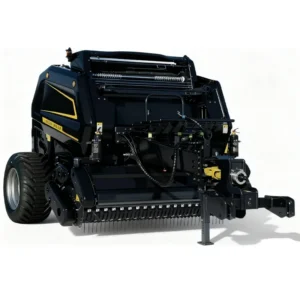
9YG-2.24D Round Baler S9000 Classic — Reed-Application Highlights
- Pickup Width: 2240 mm (Camless Spring Tooth Type — uniform tension geometry)
- Feed System: Dial-tooth roller plus drum-type — handles broadside reed stem orientations
- Compression: 18 rollers, dual-sided 20A heavy-duty chain
- Bale Size: Phi 1300 mm x 1400 mm
- Bale Density: 100 to 200 kg/m3 (sensor-controlled)
- Traction Device: 1000 Nm, 100 degree lateral steer, 30 degree tilt adjustment
- PTO Input: 720 RPM, 55 to 100 kW matched power
- Binding: Net wrap system, 2000 x 1.4 m roll
9. Compatible Accessories — One-Stop Supply for Reed Baling Drivetrain
Optimizing spring tension addresses the pickup system, but sustained performance in reed service also requires matching the PTO shaft and drive chain specifications to the higher peak loads encountered in dense wetland windrows.
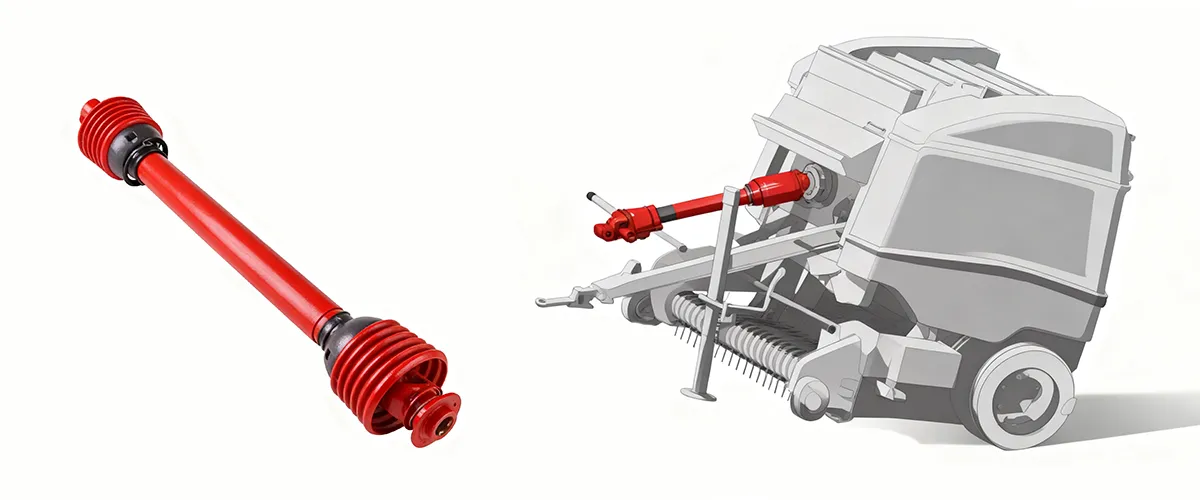
Agricultural PTO Shaft
When spring tension is increased for reed work, the pickup drum encounters higher peak drive loads from dense mat penetration events. The PTO shaft carrying power from the tractor to the round baler gearbox must handle these load spikes without twisting or exceeding its rated joint angle in the wetland micro-topography conditions common to Korean winter reed sites. Double-Cardan or constant-velocity joint PTO shafts provide smooth power delivery at the off-axis angles encountered when the round baler follows frozen wetland surface variations, protecting the gearbox input bearing from the cyclic axial loads that accelerate wear in standard Hooke joint shafts at these angles.
Heavy-Duty Agricultural Drive Chain
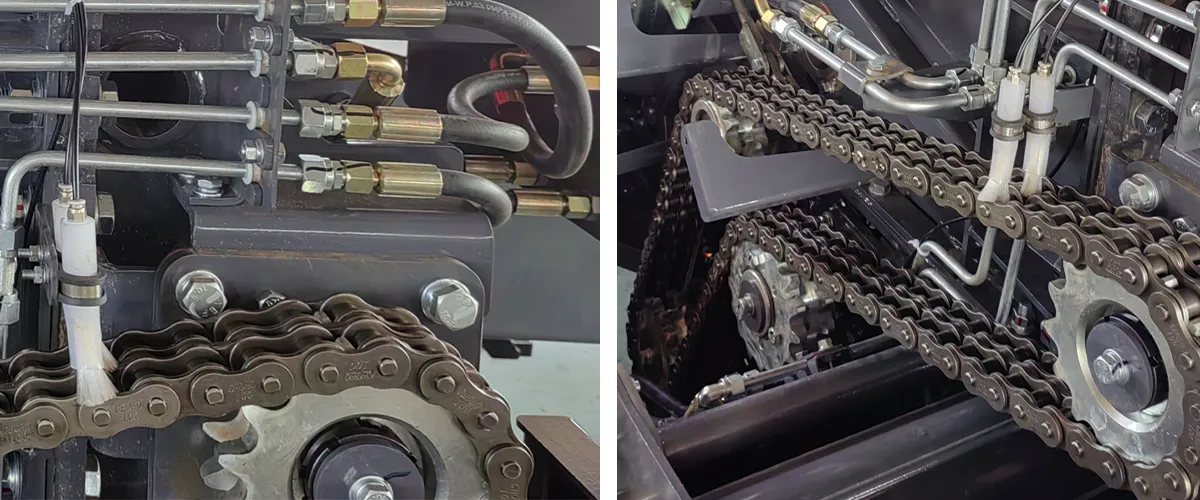
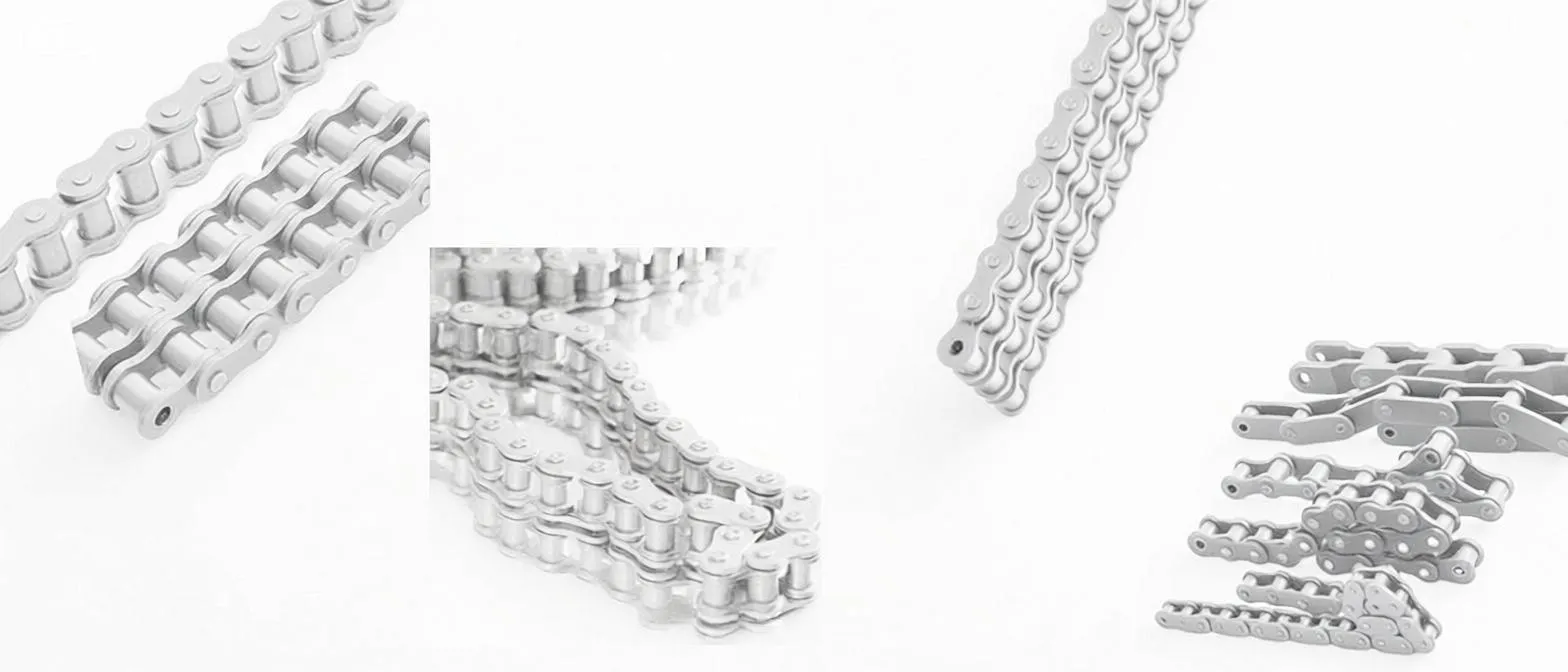
Increased pickup spring tension means higher peak chain loads on the pickup drum drive. Heavy-duty sealed roller chains matched to the round baler model absorb these load spikes while resisting the silica dust contamination from reed cuticle that degrades standard open-type chains from the inside. Sealing the chain prevents abrasive reed particles from entering the pin-bush clearance zone where they would otherwise cause rapid internal wear. Genuine replacement chains sourced to the S9000 specification maintain the pitch consistency that preserves tine phase geometry — critical when operating at higher spring preloads where tine spacing precision has a greater influence on pickup coverage uniformity.
10. More Than a Decade Building Agricultural Harvesting Machinery
We have been producing agricultural harvesting machinery since 2013, covering round balers from compact light-duty units through to heavy traction balers for large-scale Korean riverbank and wetland reed operations. Supporting products include single and double disc mowers, disc rotary rakes, twin-side rakes, and mower-conditioner units.
We operate under ISO 9001 certification with independent import and export rights. Our facility runs more than 60 large-scale manufacturing machines with annual capacity of 2,000 units. After-sales support covers genuine spare parts programs — pickup tines, spring assemblies, drive chains, and feed rotor teeth — plus user documentation and first-season technical training.
Founded
2013 — 10+ Years
Annual Capacity
2,000 Units Per Year
Production Lines
60+ Large Machines
Certification
ISO 9001 Certified
Frequently Asked Questions — Round Baler Pickup Spring Tension for Reed Windrows
संपादक: पीएक्सवाई