Understanding the precise tractor Power Take-Off (PTO) requirements is arguably the most critical step when evaluating a new round baler machine for your agricultural operations. In regions like South Korea, where terrain can vary dramatically from flat coastal plains to challenging, terraced hillsides, mismatching your tractor’s horsepower to your baler’s demand is a recipe for operational disaster. Attempting to power heavy-duty equipment with an underpowered tractor not only results in poorly formed, loose bales but also severely accelerates wear on both the tractor’s engine and the round baler gearbox. Conversely, investing in an oversized tractor for a mini round baler represents unnecessary capital expenditure and wasted fuel. The core manufacturing structure of a modern round hay baler—whether it utilizes a fixed roller chamber for dense silage or a variable belt system for dry hay—dictates its energy consumption. The intricate material system, including the heavy-duty agricultural chains and the sheer mass of the compression rollers, requires substantial kinetic energy to overcome initial inertia and maintain consistent momentum during the intense baling process. This comprehensive guide will dissect the PTO output necessities across various models, helping you guarantee that your round baler application operates at peak mechanical efficiency, minimizing downtime and maximizing your harvest yield.
Decoding the Manufacturing Structure and PTO Demand
The minimum PTO requirement of a round baler is intrinsically linked to its fundamental manufacturing structure. When analyzing high-capacity models designed for commercial contracting, you will find a complex architecture that demands substantial torque. These machines often feature a robust, heavy-duty frame supporting a semi-compulsory feeding mechanism, such as an integrated rotor or auger system. This structure is specifically engineered to aggressively force large volumes of material—be it tough corn stalks or heavy, wet alfalfa—into the compression chamber without clogging. Driving this continuous, high-friction process requires a powerful tractor, typically starting in the 55kW to 100kW range, depending on the desired bale diameter. The mechanical energy from the PTO is transmitted through a specialized double-joint transmission shaft into a heavy-duty round baler gearbox, which then distributes the torque to a network of chains and sprockets driving the multiple steel compression rollers. If the tractor’s PTO output falls below the minimum threshold, the baler’s pickup mechanism will struggle, the rollers will fail to achieve the necessary compaction pressure, and the resulting bales will lack the structural integrity required for transport and storage, directly impacting the profitability of your harvest.
Material System Resilience Under High Torque
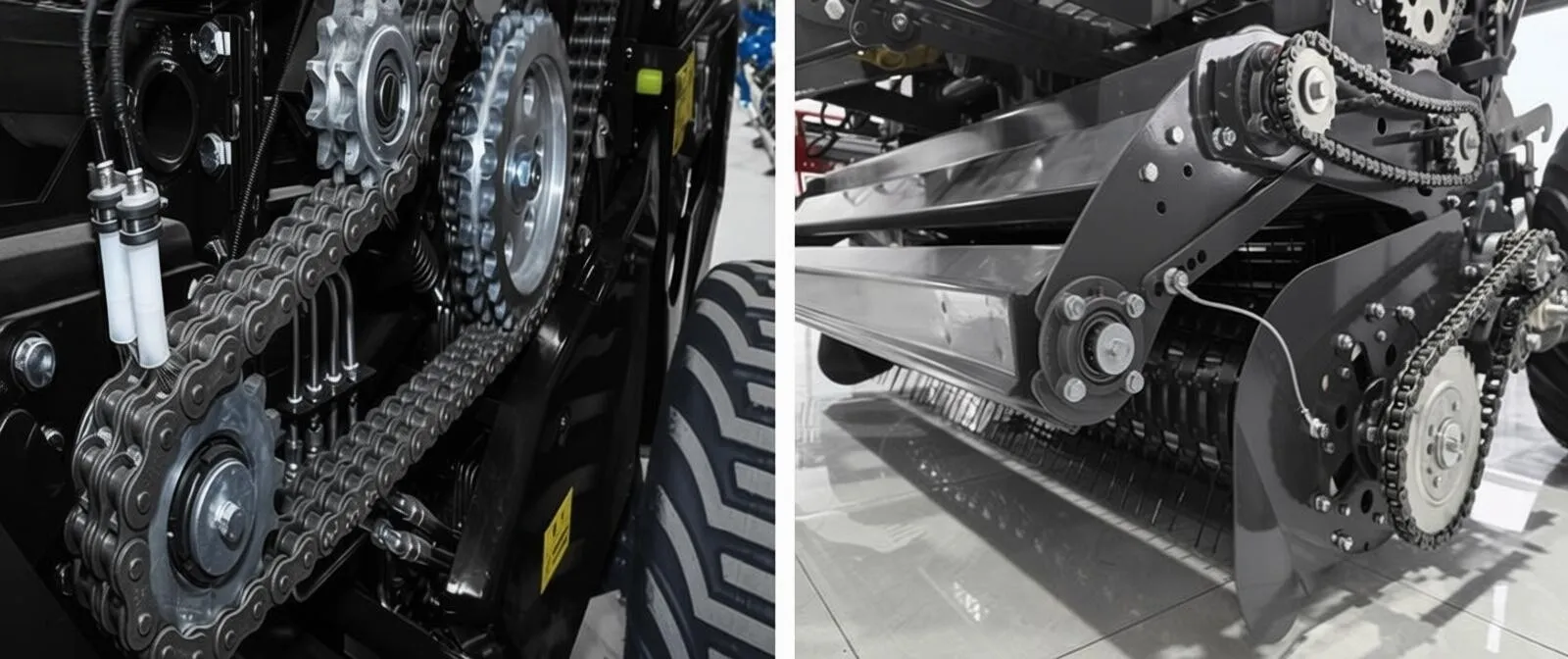
To manage the immense torque transferred from a high-horsepower tractor PTO, the material system within a premium round hay baler must be nothing short of exceptional. The entire driveline is subjected to violent, fluctuating loads as varying densities of crop enter the chamber. To prevent catastrophic failure, manufacturers utilize high-grade, heat-treated alloy steels for critical components like the main drive shafts and the pickup tines. The compression rollers themselves are fabricated from thick-walled, seamless steel tubing, designed to withstand continuous extreme pressure without warping. Furthermore, the power transmission relies on reinforced 20A or 16A heavy-duty roller chains, which offer significantly higher tensile strength compared to standard agricultural chains. These premium materials ensure that when a powerful tractor delivers maximum PTO output to handle a difficult crop, the round baler parts do not shear or snap. This material superiority is a key differentiator between a professional-grade machine and a basic small round baler; it guarantees longevity and uninterrupted operation during the crucial, often narrow, harvesting windows common in East Asian agricultural climates.
Selecting the Right Baler for Your Tractor’s Capability
Critical Driveline Components for Safe Operation
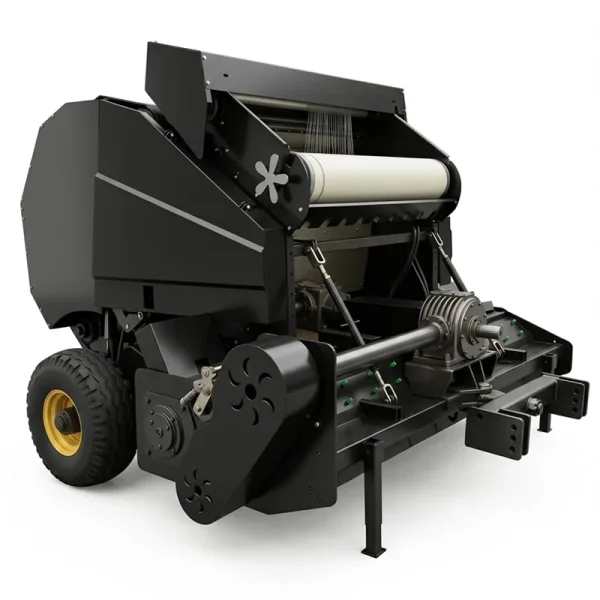
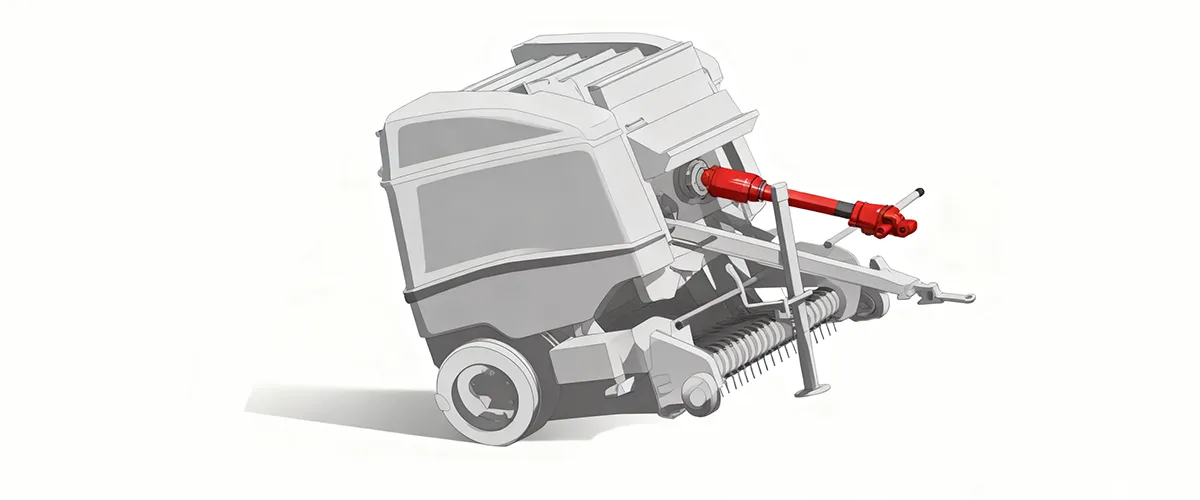
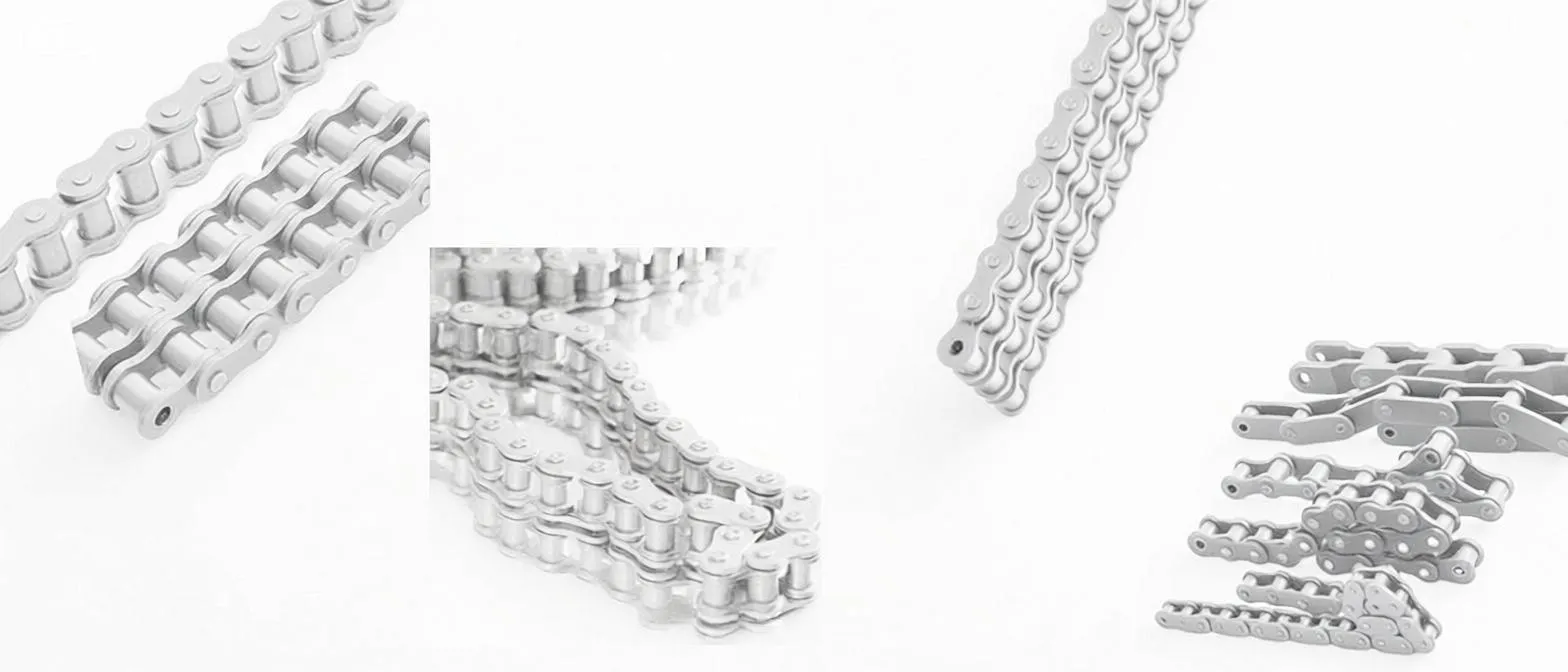
Connecting your tractor’s PTO to the round baler is not merely about transmitting power; it is about managing volatile kinetic energy safely. To protect your investment and ensure system compatibility, we emphasize a complete driveline solution. The connection begins with a specialized Agricultural PTO Shaft. When maneuvering in tight Korean fields or turning at the headlands, a standard shaft can bind or snap under the extreme angles. Our recommended shafts incorporate advanced safety torque features and double-joint articulation, specifically engineered for the unique demands of a round baler application. Furthermore, the internal power distribution relies heavily on premium Agricultural Chains. These chains must endure the immense, sudden tension spikes as the bale chamber reaches maximum density. Upgrading or utilizing matched, high-tensile chains prevents stretching and snapping, which are common causes of crippling downtime in the field. By integrating these purpose-built round baler parts, you safeguard your gearbox and tractor transmission from catastrophic overload failures.
Safety-Torque Agricultural PTO Shaft
Essential for protecting your tractor and baler gearbox during heavy loads and sharp turns.
High-Tensile Agricultural Chain
Reinforced transmission chains designed to handle the massive torque of high-density baling.
About Our 10+ Years of Manufacturing Expertise
We established in 2013 and have grown into a modern, highly intelligent manufacturing comprehensive enterprise deeply rooted in the global agriculture and animal husbandry industry. As a premier round baler manufacturer, the company mainly produces a sophisticated series of agricultural and animal husbandry harvesting machinery, specifically focusing on advanced light and heavy round balers, alongside single and double blade mowers, and precision side rakes. We proudly hold independent import and export rights, and our entire operational infrastructure is strictly certified by the ISO9001 Quality Management System. The company strictly adheres to the corporate goal of “building a world-class brand and becoming an industry leader,” a philosophy that drives our engineering. We continuously gather various advantageous resources, and, backed by strong economic strength, continuously introduce advanced international production equipment into our workflow. Currently, the company owns more than 60 sets of large-scale, automated production equipment, empowering us with a robust annual design production capacity of 2,000 top-tier agricultural units, ready to meet the grueling demands of modern farming.
Expert FAQ: Tractor Matching & Baler Operation
Q1: What PTO horsepower is strictly required when operating a round hay baler on South Korean sloped terrain?
A1: When operating a heavy-duty round hay baler on the challenging sloped terrain often found in South Korean agricultural zones, you should strictly require a tractor with a minimum PTO output of 60kW to 70kW to ensure you have sufficient power reserve for safe climbing while simultaneously driving the baler’s compression mechanisms without stalling.
Q2: How do I know if my existing equipment is compatible with a new small round baler for 40 hp tractor?
A2: You can verify compatibility with a new small round baler for 40 hp tractor by checking your tractor’s manual to ensure it delivers a true 540 RPM at the PTO under load, and by confirming that your hydraulic pump can handle the specific flow rate required for the baler’s tailgate operation and pickup lift cylinders.
Q3: Where can agricultural contractors find reinforced round baler parts to prevent driveline failures during peak harvest?
A3: Agricultural contractors can find premium, reinforced round baler parts, such as high-tensile chains and safety-torque PTO shafts, directly through our specialized one-stop supply network, which is designed to provide components that perfectly match the intense torque output of high-horsepower commercial tractors.
Q4: Which warning signs indicate that a tractor is underpowered for a specific round baler machine model?
A4: Immediate warning signs that a tractor is dangerously underpowered for a round baler machine include severe RPM drops when crop enters the chamber, frequent stalling during the final stages of bale compaction, and unusually loose, poorly shaped bales that fall apart during subsequent handling and transport.
Q5: When should I choose a machine with a heavy-duty round baler gearbox over a standard agricultural gearbox?
A5: You must unequivocally choose equipment featuring a heavy-duty round baler gearbox when your primary business involves high-volume contracting work, particularly when processing heavy, high-moisture silage crops that generate massive torsional shock loads capable of quickly destroying standard, lighter-duty transmission systems.
संपादक: पीएक्सवाई