
EP-5700×2800×1780mm Spring Tooth Type Square Baler
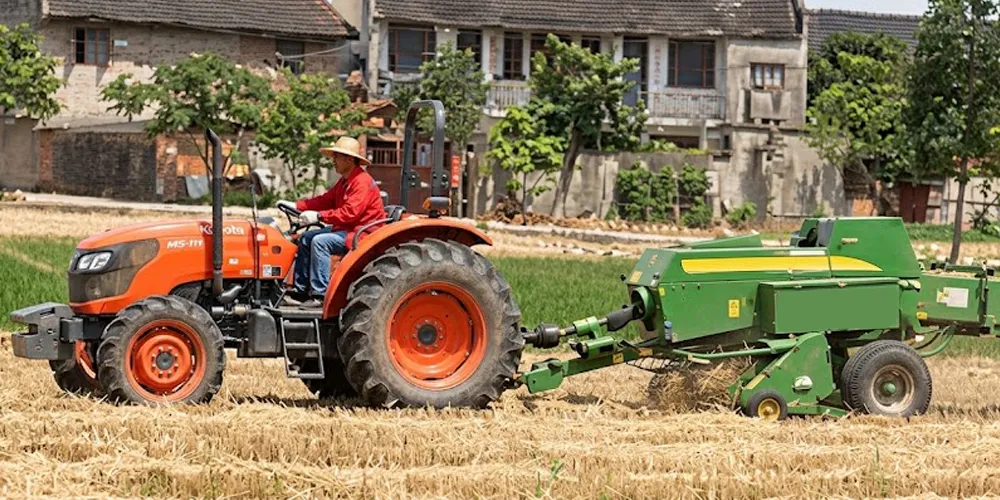
The EP-5700×2800×1780mm Spring Tooth Type Square Baler with a 2200mm picking width is a high-capacity, mid-mounted trailed square baler purpose-built for large-scale crop harvesting operations. Engineered for demanding field conditions, this square baler is widely used for collecting and compressing wheat straw, rice straw, cotton straw, corn straw, and all major types of forage grass into dense, uniformly shaped square bales. Its robust construction and large-format picking header make it one of the most capable large square balers available for commercial farming applications in Korea, Australia, the Netherlands, Brazil, and other key agricultural markets worldwide.
With a machine weight of 1,950 kg and an overall dimension of 5700×2800×1780 mm (L×W×H), this square hay baler is designed for high-volume throughput without sacrificing bale consistency. The compression chamber section size of 460×360 mm (W×H) delivers compact, high-density square bales of hay that are easy to stack, transport, and store in warehouses or open yards.
Agricultural Machinery · Square Baler Series
EP-5700×2800×1780mm Spring Tooth Type Square Baler
2200mm Picking Width · Mid-Mounted Trailed · Automatic Rope Baling
Spring Tooth Picker
≥36.8 kW Power Match
1950 kg Machine Weight
1. 技術仕様
Complete parameter table for the EP-5700×2800×1780mm 2200mm Picking Width Square Baler:
| いいえ。 | アイテム | ユニット | 仕様 |
|---|---|---|---|
| 1 | モデル名 | / | EP-5700×2800×1780 Square Baler (2200mm Picking Width) |
| 2 | ヒッチング方法 | / | Towed-type (Mid-mounted Trailed) |
| 3 | Picking Width | んん | 2200 |
| 4 | Feeding Inlet Width | んん | / |
| 5 | Picker Structure | / | スプリング歯タイプ |
| 6 | Feeder Structure | / | Fork Feeding Mechanism |
| 7 | Knotter Type | / | D-Type Knotter |
| 8 | Number of Knotters | PC | 2 |
| 9 | Compression Chamber Section Size (W×H) | んん | 460×360 |
| 10 | 梱包方法 | / | Automatic Rope Baling |
| 11 | Matching Power Range | キロワット | ≥36.8 |
| 12 | Overall Dimension (L×W×H) | んん | 5700×2800×1780 |
| 13 | 機械重量 | kg | 1950 |
2. Five Key Advantages of This Square Baler
Extra-Wide 2200mm Picking Width
A 2200mm picking width means fewer passes per field, allowing operators to cover more ground per hour compared to a standard small square baler. This translates to measurable fuel savings and reduced tractor wear over a full season.
Spring Tooth Picker for Reliable Crop Intake
The spring tooth picker structure maintains aggressive, consistent crop lift even in damp or tangled windrows. Unlike rigid tine systems, the spring tooth design flexes to follow ground contours, recovering more material with less crop loss left in the field.
Automatic D-Type Knotter System
The dual D-type knotters automate the rope baling process, producing tightly secured square hay bales with consistent knot quality. This system dramatically lowers the manual workload during peak harvesting periods, which is critical during the Three Summers and Three Autumns rush periods common in East Asian farming calendars.
High-Density Compression Chamber
With a compression chamber cross-section of 460×360 mm, the machine produces dense, compact square bales of hay that are easy to palletize and ship. High bale density means fewer loads per transport run, cutting logistics costs for farming cooperatives and commercial hay dealers who supply feed across multiple regions.
Broad Crop Compatibility Across Paddy and Dryland
This square baler machine handles wheat straw, rice straw, cotton straw, corn straw, and forage grasses with equal effectiveness. Its flat-ground suitability means deployment in both wetland rice paddies and open dryland plots, making it a versatile asset for diversified farming operations across Korea, Brazil, Canada, and other target markets.
3. How Does a Square Baler Work?
Understanding the working principle of a square baler helps operators maintain optimal field performance and troubleshoot issues before they become costly stoppages. This machine follows a continuous, five-stage mechanical cycle that converts scattered windrow material into neatly tied square hay bales ready for collection and transport.
Pickup
The spring tooth pickup reel rotates forward, lifting cut and dried crop material from the windrow on the ground and feeding it upward toward the machine body.
Feeding
The fork feeding mechanism takes the incoming material and pushes it into the compression chamber inlet in controlled, metered charges to ensure uniform bale density.
Compression
A reciprocating plunger compresses each charge of material inside the 460×360 mm chamber. Repeated strokes build up the bale layer by layer until the target length is reached.
Knotting
Once the bale length trigger is met, the two D-type knotters automatically thread and tie the binding rope around the bale, securing it with a consistent, reliable knot before the bale is ejected.
Ejection
The finished square bale is pushed rearward out of the chamber onto the field, ready for collection by a bale wagon or loader. The cycle immediately restarts for the next bale.
Many operators ask: how many horsepower do you need to run a square baler? For this model, the manufacturer specifies a matching power range of ≥36.8 kW (approximately 49 HP), meaning any modern utility or compact tractor above 50 HP will comfortably drive this machine at full capacity. This makes it a practical choice as a square baler for compact tractor setups used on mid-size farms, as well as full-scale commercial operations using larger row-crop tractors.
4. Material Construction & Durability
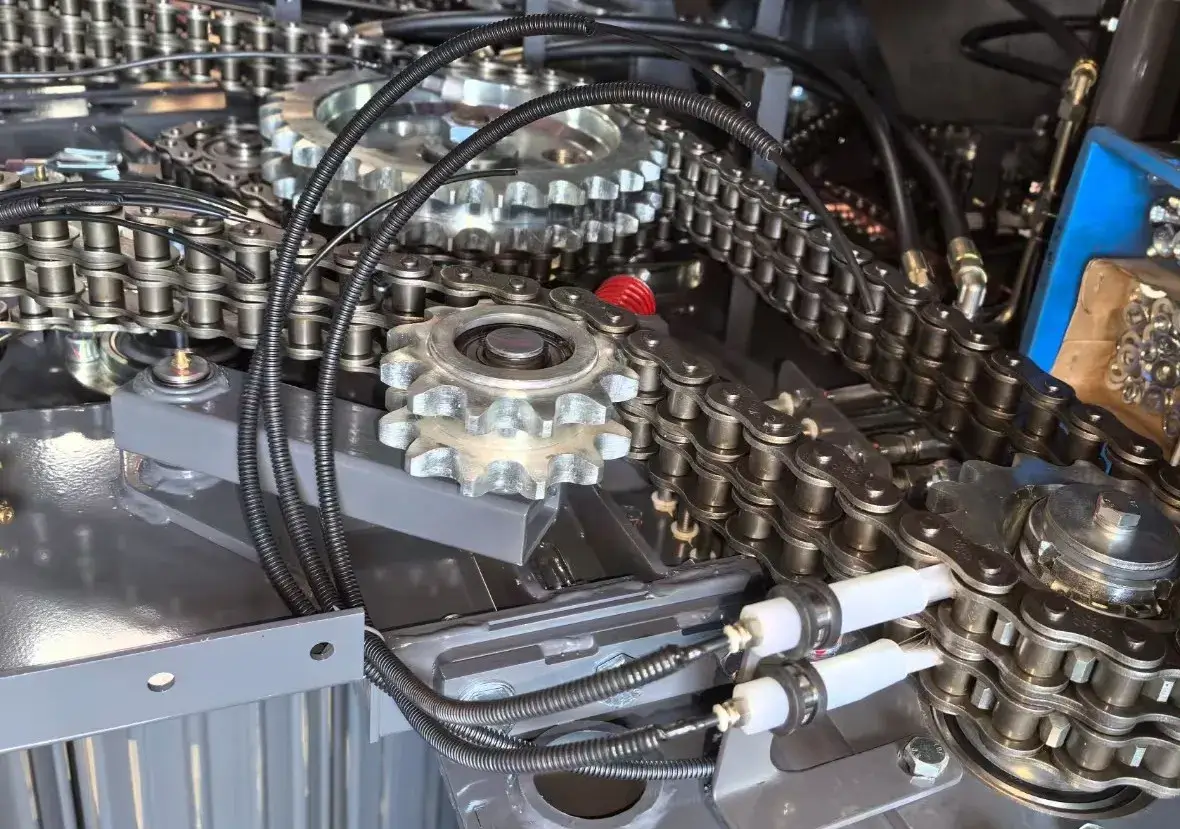
The structural integrity of a large square baler depends entirely on the quality of materials used in its frame, mechanical components, and wear surfaces. This EP series square baler is constructed with high-tensile carbon structural steel for the main chassis and bale chamber walls, providing the rigidity needed to withstand the continuous percussion loads generated by the reciprocating plunger during high-volume baling. Welded connections are reinforced at key stress points including the chassis junction, the knotter mounting bracket, and the pickup assembly pivot zones.
Spring tooth tines used in the pickup reel are manufactured from spring steel alloy, offering a combination of flexibility and fatigue resistance critical for long field hours. These tines must deflect when contacting stones or surface irregularities without permanent deformation — the spring steel formulation meets this requirement across typical field service lifetimes. Replacement tines are standardized for rapid field swaps without specialized tooling.
The D-type knotter assemblies use hardened alloy steel for all rotating and sliding surfaces, with precision machined tolerances ensuring consistent rope feed and loop formation at every tying cycle. The compression chamber interior walls feature a smooth, low-friction surface treatment that reduces straw drag while maintaining the lateral pressure required for dense bale formation. Overall, the material choices across this square baler machine reflect practical priorities: long service intervals, field-repairable components, and consistent performance across a wide range of ambient temperatures — relevant considerations for farmers from South Korea to Brazil who operate in varied climates.
5. Application Scenarios
This square baler machine is deployed across a wide range of crop types and farming environments worldwide. The following scenarios represent the most common real-world use cases.
🌾 Wheat & Rice Straw Harvesting
After grain combine harvesting, windrows of wheat and rice straw are left across the field. This large square baler follows behind to pick up, compress, and tie these straw windrows into manageable square hay bales ready for animal feed or biofuel use. The 2200mm picking width clears wide windrows in a single pass. This is the dominant application in Korean farming regions, where paddy rice straw recovery is a standard post-harvest practice.
🌽 Corn Stover Collection
Corn stover — the stalks, leaves, and cobs remaining after corn harvest — requires a robust feeder mechanism to handle its bulk and variability. The fork feeding mechanism on this square baler machine handles thick stover windrows without plug-ups, making it a reliable tool for corn-growing regions in Canada, Brazil, and the United States. The high bale density produced is ideal for cattle and dairy feedlot operators who purchase stover as a roughage supplement.
🐄 Forage Grass Baling for Livestock
Pasture grass, alfalfa, clover, and mixed hay cut for livestock feed are some of the most demanding materials for any square hay baler. The spring tooth pickup lifts both fine and coarse grass varieties cleanly, while the automatic rope baling system keeps bale integrity high even with slightly damp cuttings. Square bales of hay produced by this machine are preferred by many Korean and Australian livestock operators over round bales for their stackability and portion-control advantages in feedlot management.
🌿 Cotton & Specialty Straw Recovery
Cotton straw, with its woody stem structure and varying density, is a crop residue type that many smaller square balers struggle with. The heavy-duty compression plunger and reinforced chamber walls in this large square baler handle cotton straw effectively, producing consistent bale weights. In regions such as northwestern China, central Brazil, and the U.S. Cotton Belt, cotton straw baling supports both fuel pellet production and soil fiber amendment programs.
🏭 Commercial Hay Supply Operations
Commercial hay producers who supply equestrian facilities, dairy farms, and feed distribution networks require consistent, market-grade square hay bales produced in large quantities. This square baler's throughput capacity, combined with the automatic knotting system, allows small crews to bale large acreages during narrow weather windows. The uniform bale size simplifies loading, weighing, and pricing for commercial square bale hay for sale operations in the Netherlands, Australia, and South Korea.
6. Regulatory Compliance & International Standards
Agricultural machinery exported for use in international markets must satisfy a range of national and regional safety, emissions, and mechanical standards. Buyers in different countries should verify compliance with their applicable regulations before importing or operating this square baler machine.
🇰🇷 South Korea
Agricultural machinery imports are regulated under the Agricultural Machinery Industry Promotion Act and the Safety Standards for Agricultural Machinery issued by the Rural Development Administration (RDA). Imported balers may require local type-approval testing for compliance with Korean Agricultural Machinery Safety Certification (농기계 안전검정). PTO shaft guards and shielding must comply with KS B 5203 safety specifications.
🇪🇺 European Union (Netherlands & Beyond)
Machinery placed on the EU market must comply with the Machinery Directive 2006/42/EC, which requires CE marking and a Declaration of Conformity. PTO-driven attachments are additionally governed by EN ISO 4254-7 (agricultural machinery safety for balers). Dutch importers should also check RVO (Netherlands Enterprise Agency) requirements for subsidy eligibility programs that may apply to efficient harvest machinery.
🇦🇺 Australia
Agricultural equipment in Australia must meet Safe Work Australia guidelines and relevant state WHS (Work Health and Safety) regulations. PTO shafts and rotating components must carry appropriate guarding per AS 4024 machinery safety standards. The Australian Customs Tariff Schedule classifies hay balers under HS Code 8433.40, and GST concessions may apply for primary production equipment.
🇧🇷 Brazil
Brazil's agricultural machinery sector is regulated by ABNT (Associação Brasileira de Normas Técnicas) standards, particularly ABNT NBR 14660 covering agricultural machinery safety. INMETRO certification is required for certain mechanical equipment categories. Brazilian importers should also verify SISBOV traceability requirements if the machinery is procured through rural credit lines under the ABC Program (Agriculture, Forest, and Climate).
🇨🇦 Canada
Canadian agricultural equipment is subject to the Canada Agricultural Products Act and provincial occupational health and safety legislation. The Canadian Centre for Occupational Health and Safety (CCOHS) publishes safe operating guidelines for PTO-driven machinery. Importers should verify HS 8433.40 tariff classification and confirm whether CUSMA (Canada-US-Mexico Agreement) preferential duty rates are applicable based on country of origin.
🌏 ISO Quality Management
This square baler is manufactured under a facility certified to ISO 9001 Quality Management System standards, providing buyers with documented evidence of consistent production control, traceability, and continuous improvement processes. ISO 9001 certification is often a prerequisite for participation in government procurement tenders and agricultural subsidy programs in multiple countries.
7. Compatible Accessories & System Components
A square baler performs best as part of a well-matched drivetrain system. We offer a complete lineup of compatible accessories to support every aspect of your baling operation — from power transmission to driveline protection.
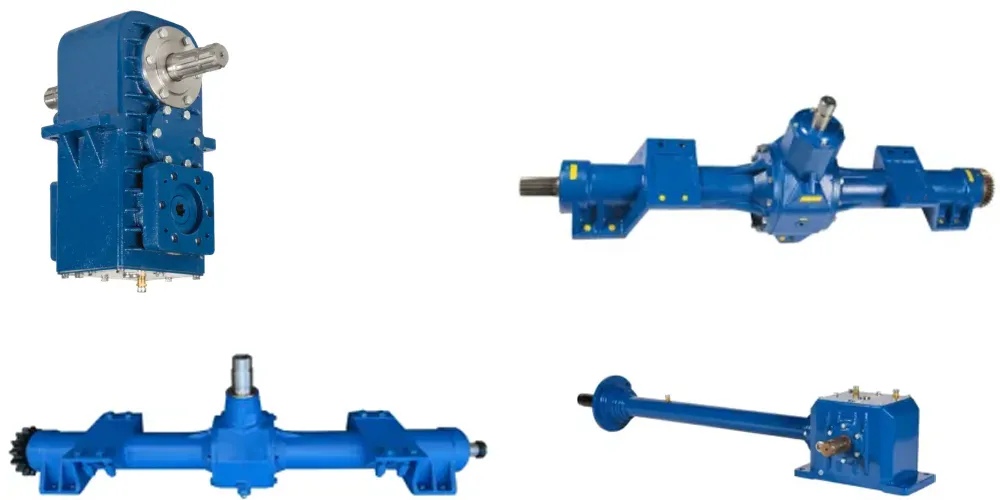
Square Baler Gearbox
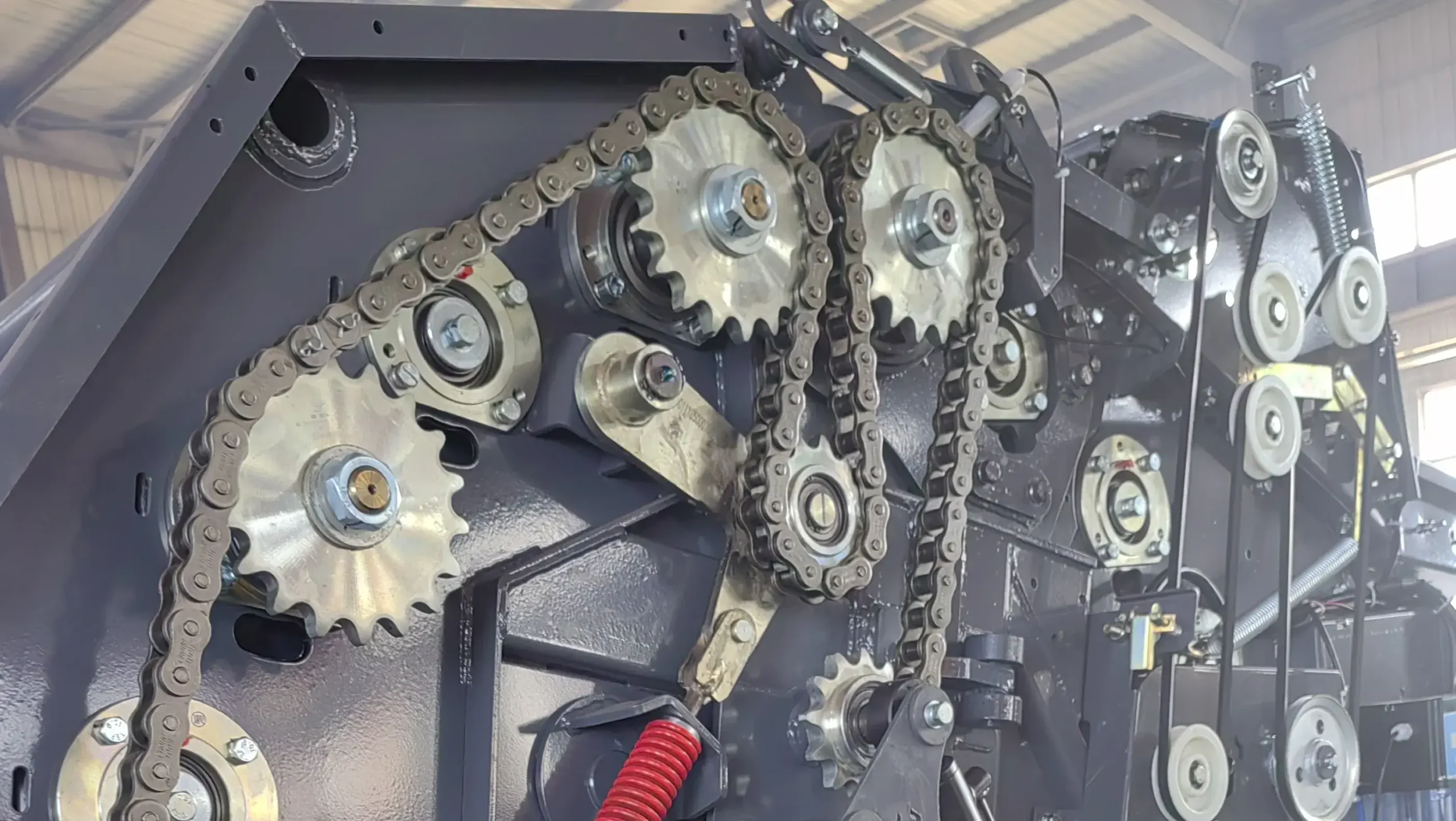
The gearbox is the mechanical heart of any square baler, distributing PTO input power to the plunger, pickup reel, and knotter mechanisms. Our purpose-built square baler gearbox range is engineered for precise torque multiplication and low-vibration operation, extending service life even in high-throughput commercial baling conditions. Each gearbox unit is matched to the input shaft specifications of our EP series square balers, ensuring direct drop-in compatibility without adapter plates or custom machining. Stocking a spare gearbox unit is recommended for commercial operators who cannot afford downtime during peak harvest windows.
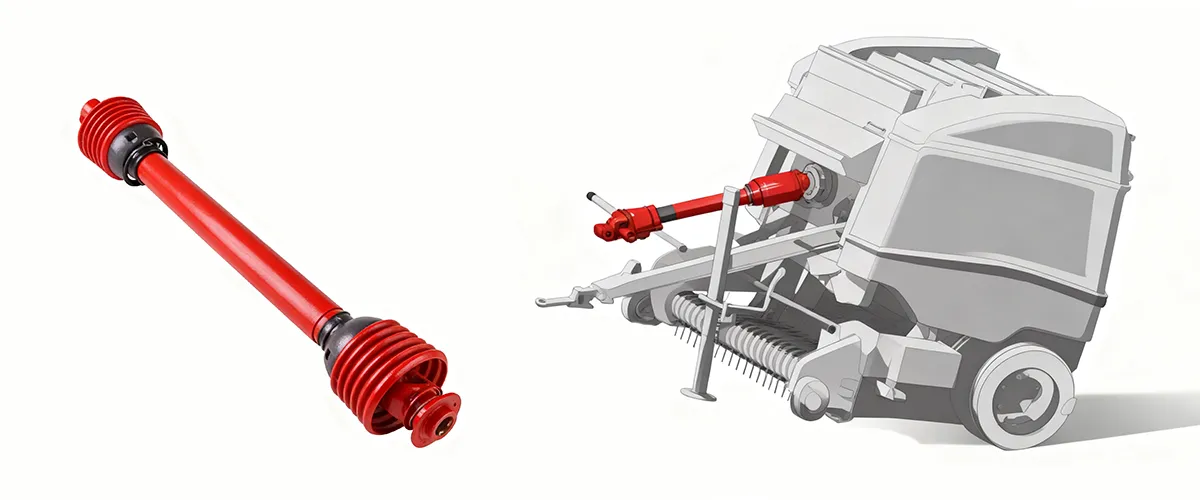
PTO Drive Shaft
The PTO shaft is the critical link between your tractor and the square baler's gearbox. A correctly rated and properly guarded PTO shaft prevents overload damage to both the tractor output and the baler input components. Our EP series square balers are designed to work with standard Category 2 PTO shaft configurations, with telescoping shaft lengths and friction clutch slip options available. Proper PTO shaft selection is also a legal requirement under agricultural machinery safety regulations in the EU (EN ISO 4254-7), Australia (AS 4024), and South Korea (KS B 5203). We supply full-length, guarded PTO shafts for all our square baler models, available as standalone accessories or bundled with the main machine.
We offer one-stop supply of the complete square baler system — machine, gearbox, PTO shaft, and replacement wear parts — simplifying procurement for farms and agricultural dealers across Korea, Australia, the Netherlands, Brazil, and Canada. Contact us for matched system quotes and compatibility guidance.
8. About Us — Over 10 Years of Agricultural Machinery Expertise
Founded in 2013, our organization has grown into a modern, intelligent manufacturing enterprise specializing in agriculture and animal husbandry machinery. Over more than a decade of continuous operation, we have built a product portfolio that spans light and heavy round balers, single and double blade mowers, disc rotary mowers, side rakes, and a full range of square baler machines — all carrying independent import and export rights.
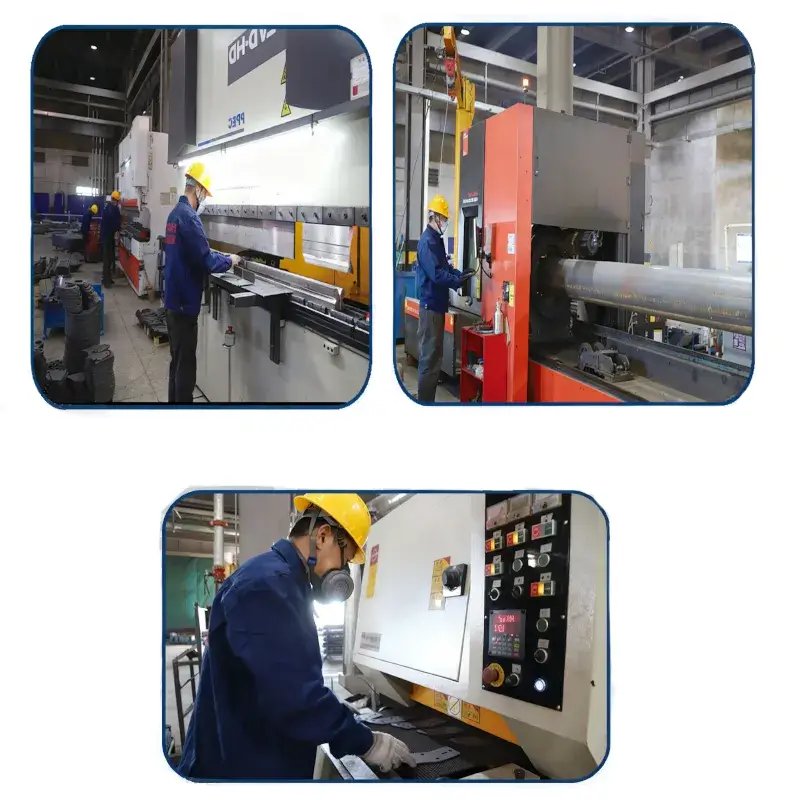
Our manufacturing facility operates under ISO 9001 Quality Management System certification, with a production capacity designed to deliver up to 2,000 units annually. To maintain this throughput at consistent quality standards, we have invested in more than 60 large-scale production machines and continually integrate advanced international manufacturing processes into our workflow. Every square baler that leaves our facility is assembled, tested, and inspected against documented quality checkpoints before shipment.
Our team brings genuine on-the-ground knowledge of how farmers work in Korea, Australia, the Netherlands, Brazil, Canada, Colombia, and the United Kingdom. This global perspective informs every product design decision — from the picking width and chamber dimensions through to the knotter system and power requirements — so that each square baler we produce is a practical tool for real farming conditions, not simply a catalog specification.
WorkShop

Frequently Asked Questions
編集者: PXY


