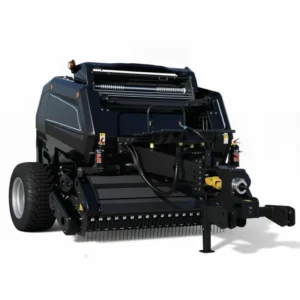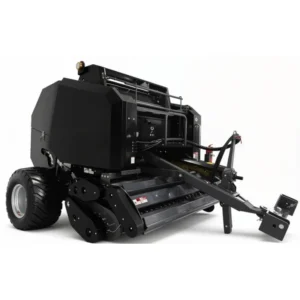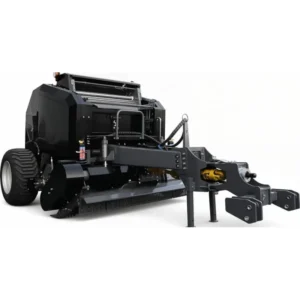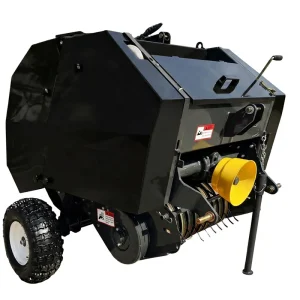
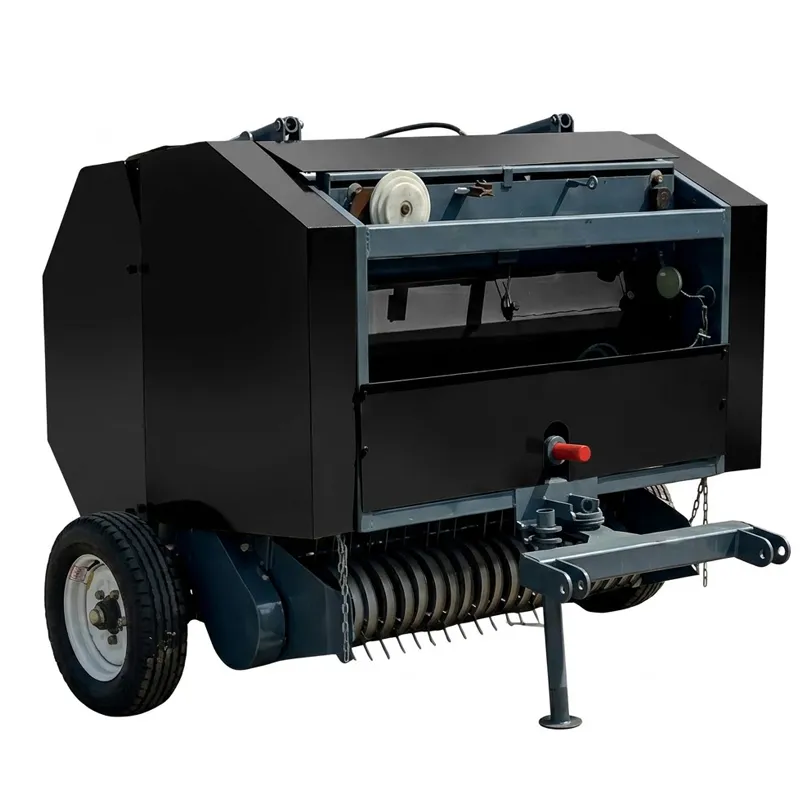
EP-2050×2250×1580mm (L×W×H) Φ800mm Compression Round Baler
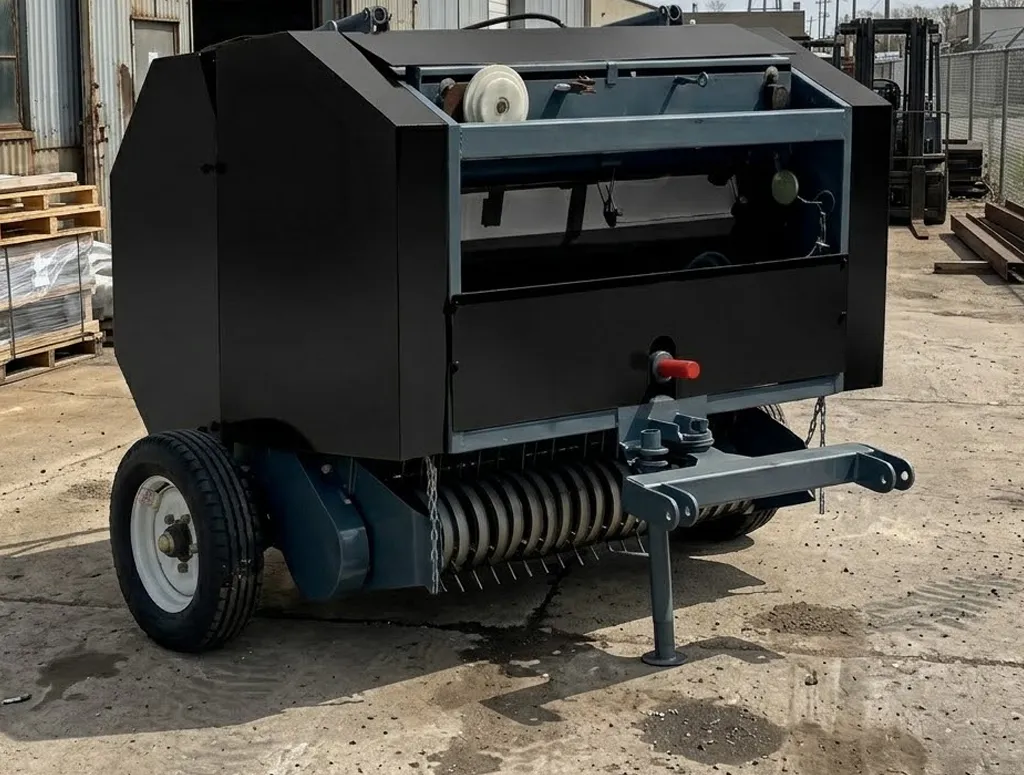
The EP-9YQ-1250 Round Baler is a trailed agricultural machine designed for high-efficiency baling. It features a 1250mm spring-tooth pickup and a roll drum compression chamber (Φ800mm width) equipped with 16 pressing rollers (Φ152mm diameter) to produce dense, rope-wrapped round bales. Requiring a matching power range of 40.4–60 kW, this robust unit weighs 1000 kg with overall dimensions of 2050×2250×1580 mm. Ideal for medium to large-scale farming operations, it ensures reliable performance and consistent bale formation through its direct spring-tooth feeding mechanism.
Agricultural Round Baler
EP-2050×2250×1580mm (L×W×H)
∅800mm Compression Дөңгелек пресс
A high-efficiency, trailed-type agricultural round baler engineered for demanding field conditions — delivering consistent Ø800mm round hay bales at scale, with a matching power range of 40.4–60 kW.
1. Техникалық сипаттамалар
All parameters listed below correspond to the EP-2050×2250×1580mm (L×W×H) ∅800mm Compression Round Baler. Specifications are derived from the same engineering baseline as the 9YQ-1250 series platform.
| Жоқ | Parameter | Бірлік | Техникалық сипаттама |
|---|---|---|---|
| 1 | Модель атауы | — | EP ∅800mm Compression Round Baler |
| 2 | Тігіс әдісі | — | Із қалдырған |
| 3 | Picking Width | мм | 1250 |
| 4 | Feed Inlet Width | мм | — |
| 5 | Picker Structure | — | Серіппелі тіс түрі |
| 6 | Feeder Structure | — | Directly Feed by Spring Tooth |
| 7 | Bale Chamber Type | — | Roll Drum Type (Fixed Chamber) |
| 8 | Compression Room Width | мм | 1250 |
| 9 | Bale Diameter | мм | Ø800 |
| 10 | No. of Pressing Rollers | компьютер | 16 (Roller Type) |
| 11 | Pressing Roller Diameter | мм | Ø152 |
| 12 | Bundling Type | — | Rope Wrapping |
| 13 | Matching Power Range | кВт | 40.4 – 60 |
| 14 | Жалпы өлшемдері (Ұз.×Е.×Б.) | мм | 2050 × 2250 × 1580 |
| 15 | Машина салмағы | кг | 1000 |
2. What Is a Round Baler?
A дөңгелек пресс is a type of agricultural baling machine that collects cut forage — typically hay, straw, silage, or crop residue — from the field and compresses it into cylindrical, drum-shaped bales. Unlike square balers, a round baler machine produces dense, weather-resistant rolls that shed rainwater from the outer layer, making them well-suited for outdoor storage over extended periods without significant dry matter loss. The round bale format has become the global standard for large-scale hay and straw handling across diverse climates and farming systems, from the expansive grain belts of North America and Australia to the mixed farms of the United Kingdom, the Netherlands, South Korea, and the agricultural regions of South America.
The purpose of a round baler is to mechanise and accelerate the harvest of bulky organic material, reducing manual labour and field-to-storage time while producing uniform bales that are easy to handle with telehandlers, front-end loaders, or bale spikes. A finished round bale of hay typically weighs between 400 kg and 1,000 kg depending on crop moisture, density setting, and bale diameter — a factor that significantly affects transport logistics and feeding operations. Our EP ∅800mm model targets the mid-to-large farm segment, where throughput, reliability, and bale consistency are non-negotiable priorities.
3. Five Key Advantages of This Agricultural Round Baler
01 — LARGE BALE CAPACITY
With a 1250 mm wide compression chamber and a ∅800 mm bale diameter, this round baler machine delivers industry-standard bale dimensions that are widely accepted across Korean and global agricultural supply chains. Each bale offers exceptional density, reducing the number of handling cycles per tonne of stored forage and cutting overall labour costs per season.
02 — SPRING TOOTH PICKUP
The 1250 mm spring tooth picker lifts crop material cleanly from windrows even in uneven or damp field conditions. Spring tooth pickups are recognised across global markets for their lower maintenance demand compared to tine belt systems, with individual tines replaceable in the field without specialist tools, keeping downtime short during peak harvesting windows.
03 — ROLL DRUM CHAMBER
Sixteen Ø152 mm pressing rollers form a robust fixed-chamber bale chamber that applies even radial pressure throughout the bale formation cycle. This roll drum type design is mechanically simpler than variable-chamber belt systems, delivering consistent bale density from the first rotation and performing reliably across multiple crop types including hay, straw, and corn stover.
04 — WIDE POWER COMPATIBILITY
A matching power range of 40.4–60 kW (approximately 54–80 HP) means this small round baler scales with a broad range of tractor models already operating on mid-sized farms worldwide. Farmers frequently ask how many HP is needed to run a round baler — this unit's flexible requirement removes the need for a dedicated high-powered tractor, keeping total operational costs manageable for mixed farming operations.
05 — ROPE WRAPPING SYSTEM
The integrated rope wrapping bundling system secures each finished bale quickly and reliably without the higher consumable cost associated with round bale net wrap. Rope-wrapped bales maintain structural integrity during transport and short-term outdoor storage, while remaining compatible with most bale unwrappers and feeding systems used on commercial livestock farms across the Asia-Pacific region, Europe, and Latin America.
4. How a Round Baler Works — Working Principle
The EP ∅800mm round baler is a trailed machine driven through the tractor's PTO shaft, which transfers rotational power via the round baler gearbox to all internal mechanisms. During field operation, the tractor pulls the baler forward while the spring tooth pickup reel — spanning 1250 mm — lifts crop material from the ground windrow and channels it directly into the intake throat through a spring-tooth direct-feed mechanism, eliminating the need for a separate auger or belt conveyor at the inlet.
Inside the fixed-chamber bale chamber, sixteen Ø152 mm steel pressing rollers arranged in a circular pattern continuously rotate, compacting incoming crop against the growing bale core. As the bale accumulates mass and reaches the target Ø800 mm diameter, an indicator alerts the operator. The automatic rope wrapping system then activates, encircling the bale with twine in a controlled pattern to hold the compressed material together before the rear gate opens hydraulically, ejecting the finished round bale onto the field. The gate closes and the cycle restarts immediately, enabling continuous high-throughput baling without the operator leaving the cab.
The gearbox — integral to consistent baler performance — distributes torque from the PTO to the pickup, feeder, and pressing roller systems simultaneously. Agricultural round baler gearboxes on this platform are engineered for the shock loads inherent in high-density baling, with gear materials and oil bath lubrication specified to handle sustained duty cycles across full harvest seasons. Operators should verify that the tractor PTO output matches the required 40.4–60 kW range before coupling the machine.
5. Materials & Construction
The main frame of this agricultural round baler is fabricated from high-strength structural steel sections, welded to form a rigid chassis that absorbs the cyclic torsional stresses of repeated bale formation and ejection. Frame welds are treated with corrosion-inhibiting primer and finished with field-grade enamel paint to resist moisture, UV exposure, and crop acid — conditions common across the humid paddy-straw harvest environments of Korea and Southeast Asia and the wind-driven dust of Australian dryland farming.
The sixteen pressing rollers are machined from heavy-wall seamless steel tube with Ø152 mm outer diameter. Roller surfaces are hardened to resist wear from abrasive crop material and grit, extending service life between reconditioning intervals. Roller shaft bearings are sealed to exclude crop dust and moisture ingress, a design choice that significantly reduces unplanned maintenance calls during peak harvesting periods when downtime carries the highest operational penalty.
Spring tines on the pickup assembly are formed from high-carbon spring steel, heat-treated to a consistent hardness profile that provides the correct flex-to-recovery ratio for lifting crop without tine breakage on hard ground impact. Individual tines are replaceable via a simple bolt fixing, consistent with round baler parts availability standards expected by dealers and end users in markets such as the Netherlands, Brazil, Colombia, and South Korea, where rapid parts sourcing is a purchasing criterion equal to initial machine price.

6. Application Scenarios
The EP ∅800mm round baler machine is designed for real-world field diversity — wherever large volumes of forage or crop residue need to be efficiently packaged for storage, transport, or processing.
Hay & Pasture Baling
Grass hay, alfalfa, and mixed pasture represent the core application for round hay baler equipment globally. The wide 1250 mm pickup handles lush summer cuts and lighter autumn regrowth windrows alike, producing consistent round hay bales that maintain nutritional quality through the outer-layer moisture-shedding effect of the cylindrical form.
Rice & Wheat Straw Recovery
Across Korean rice paddies and the wheat plains of Canada, Australia, and the United Kingdom, crop straw after grain harvest represents a valuable raw material for livestock bedding, mushroom cultivation substrate, and paper pulp production. The spring-tooth direct-feed mechanism handles the short, brittle straw fibre found in paddy residue without the choking that affects belt-type feeder systems.
Corn Stover & Crop Residue
Corn stover and soybean residue are increasingly baled across Colombia, Brazil, and the US Midwest as both a soil conservation measure and a biomass feedstock. The fixed roll-drum chamber handles the coarser, higher-fibre material effectively, producing dense, stable bales suitable for extended field storage or biomass energy plant delivery schedules.
Silage & Haylage Production
When wrapped immediately after baling with stretch film, the round bales produced by this machine are well-suited for fermented silage and haylage production. The tight rope wrapping maintains bale integrity during the wrapping cycle, and the consistent Ø800 mm diameter matches standard round bale wrapping machine specifications widely available across European and Australian dairy farm supply chains.
Biomass & Industrial Fibre Baling
Beyond food and feed, round baler machines play a growing role in the circular bioeconomy, compacting industrial hemp, sugarcane bagasse, and dedicated energy grasses such as miscanthus into transport-ready bales. The 1000 kg machine weight keeps transport costs between farm and industrial processor low, while the trailed-type configuration makes the unit easy to deploy across fragmented landholdings typical of small-to-medium farming operations in Southeast Asia.
7. Regulatory Compliance & Market Standards
Agricultural machinery exported to international markets must comply with a range of regional safety, emissions, and machinery standards. Buyers and importers should verify conformity documentation prior to registration and field deployment.
South Korea (KR)
Agricultural machinery sold in South Korea is subject to Ауыл шаруашылығын механикаландыруды ынталандыру туралы заң requirements, including safety certification testing overseen by the Rural Development Administration (RDA). Round baler machines must meet defined structural safety criteria for hitching systems and power-take-off guarding before domestic registration and subsidy eligibility.
European Union (EU / CE)
Import and use of agricultural machinery across EU member states — including the Netherlands — requires conformity with the EU Machinery Directive 2006/42/EC (transitioning to EU Machinery Regulation 2023/1230). A CE Declaration of Conformity is mandatory. PTO shaft guarding must comply with EN ISO 4254-7, the specific standard for balers and baling presses.
Australia (AU)
Safe Work Australia guidelines and state-level Work Health and Safety (WHS) regulations govern the use of trailed agricultural equipment. PTO-driven machinery must carry appropriate guarding per AS 1410, and operators are required to follow the National Code of Practice for Noise Management in agriculture where baler PTO operation exceeds permissible exposure thresholds.
Brazil & Colombia
Brazil's INMETRO certification framework and the Ministry of Agriculture (MAPA) regulations may apply to imported self-propelled or trailed agricultural machinery depending on capacity class. In Colombia, agricultural machinery imports fall under INVIMA and ICA guidance. Importers in both markets should confirm current HS tariff code classification for trailed balers and associated duty exemptions under bilateral trade agreements.
Canada & United Kingdom
In Canada, agricultural equipment safety falls under provincial occupational health and safety Acts, with CEMA (Canadian Equipment Manufacturers Association) guidelines informing best practice. The United Kingdom, post-Brexit, has adopted UK Machinery Regulations (SI 2008/1597 as amended) independently of EU directives. PSSR 2000 may apply to any hydraulic pressure-containing components on the baler's gate system.
8. Compatible Accessories & Related Products
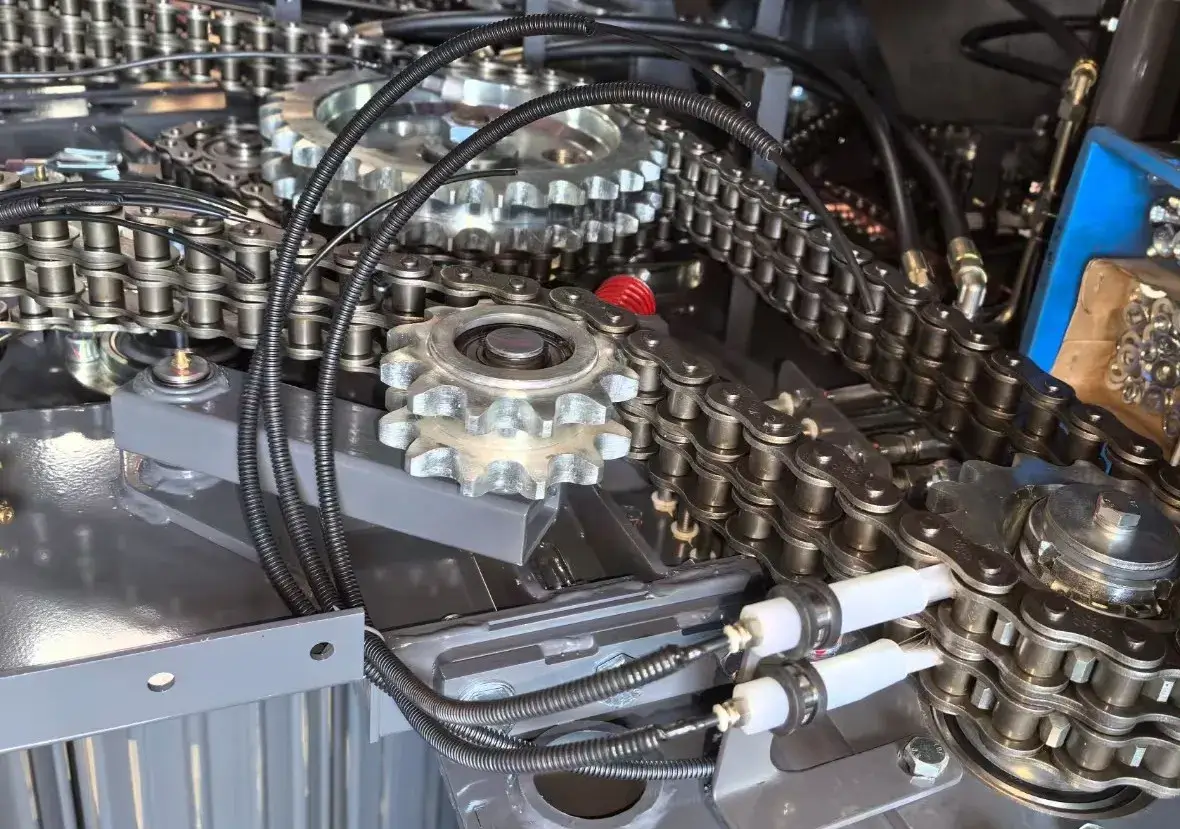
Our round baler system is supported by a complete range of matched drivetrain components, enabling one-stop procurement and guaranteed compatibility across the full power transmission chain — from tractor PTO to bale chamber.
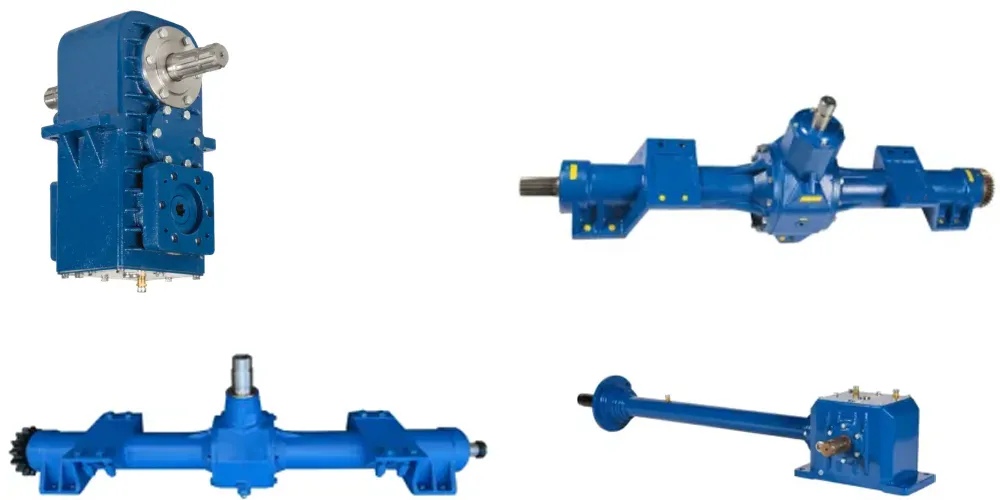
Round Baler Gearbox
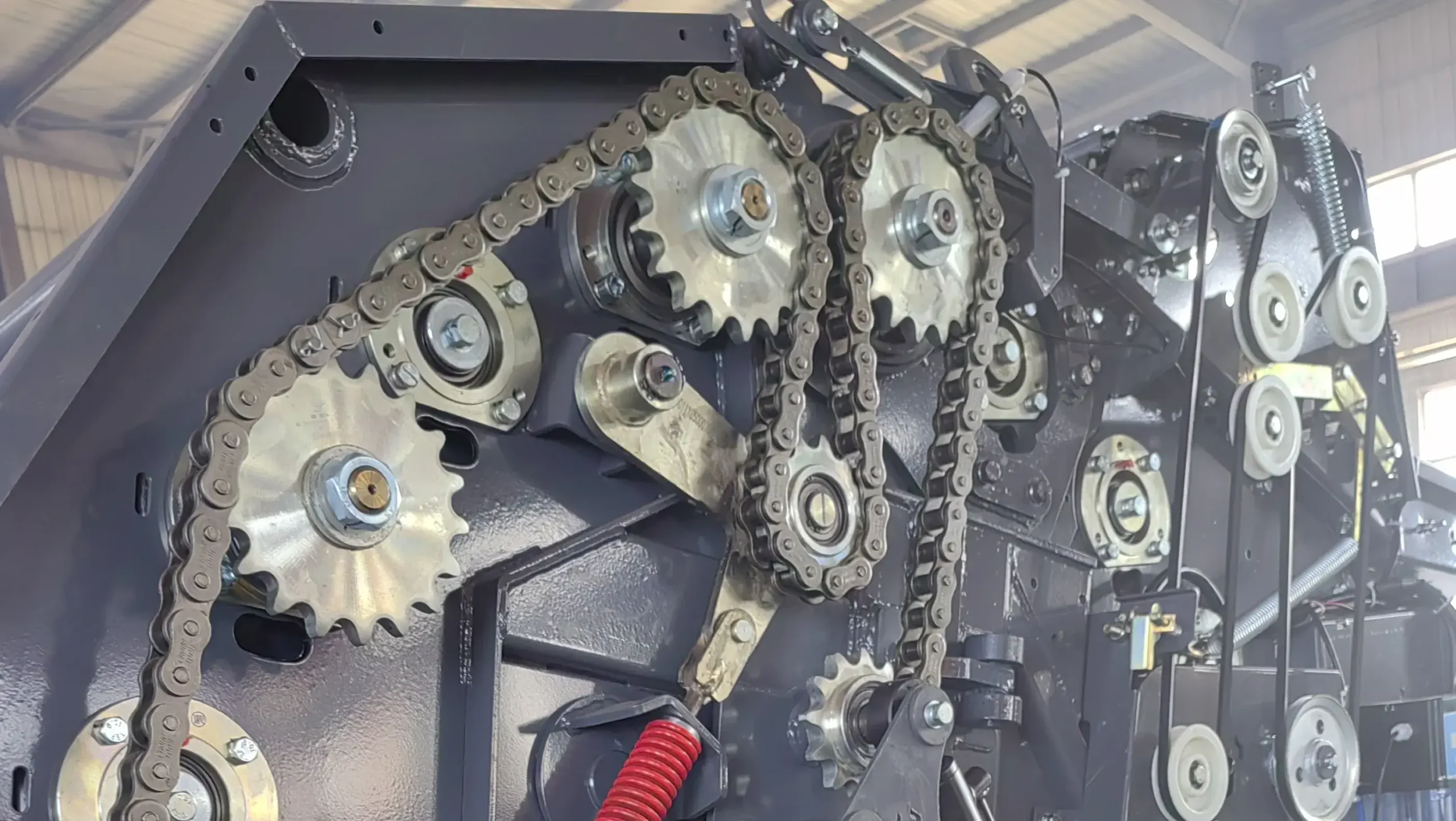
The gearbox is the mechanical heart of any round baler machine. Our matched round baler gearbox is engineered to the same torque and speed requirements as the EP series baler platform, with gear ratios precisely matched to the 1250 mm pickup and 16-roller drum chamber. The gearbox uses case-hardened spiral bevel or spur gear sets depending on the drive take-off position, with oil-bath lubrication and sealed housing to withstand the abrasive dust and moisture found in field environments across Korea, Australia, and Europe. Choosing a purpose-matched gearbox eliminates the risk of shaft misalignment, premature bearing failure, and the costly unplanned downtime that often accompanies generic aftermarket substitutions.
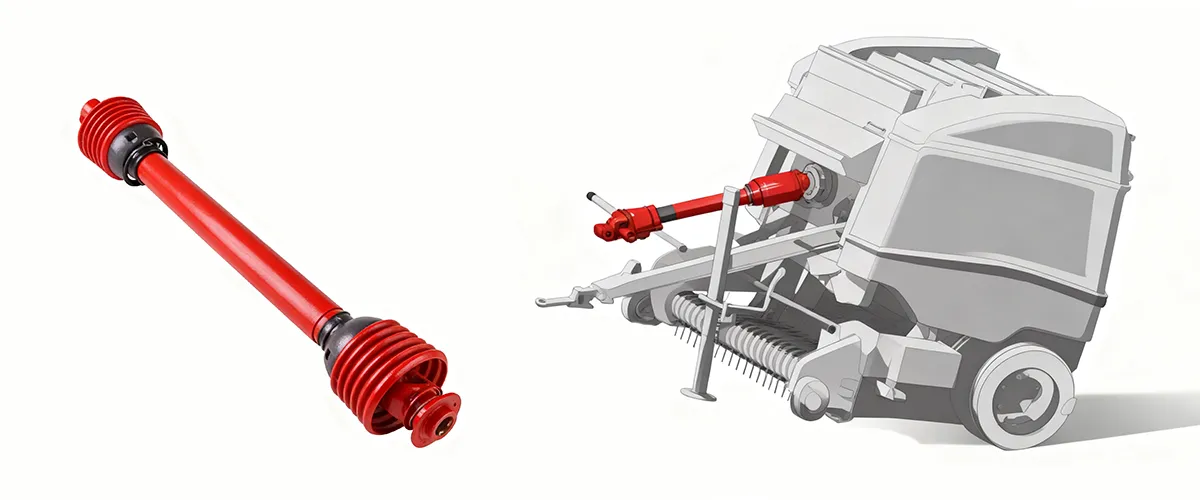
PTO Drive Shaft
Reliable power transfer between tractor and baler depends on a well-specified PTO shaft. Our matched PTO shaft for balers is rated for the full 40.4–60 kW operating range of this round baler and fitted with safety-compliant guarding that meets EN 12965 and equivalent standards applied in Korean, EU, Australian, and Canadian markets. Cross-and-bearing universal joints are grease-nipple serviced at standard intervals aligned with the baler's own maintenance schedule, reducing the number of separate service operations per season. Complete one-stop supply of baler, gearbox, and PTO shaft from a single source also simplifies warranty claims and spare parts logistics for dealers operating across multiple territories.
9. About Us
We are a specialist manufacturer and global supplier of agricultural baling equipment, drivetrain components, and matched accessories focused on the international market. Our engineering team has accumulated deep knowledge of hay harvesting and crop residue management requirements across diverse climates — from the humid monsoon conditions of East Asia to the semi-arid grazing landscapes of Australia and the intensive livestock farming systems of northern Europe. Every product in our round baler range is designed for dependable multi-season performance under genuine field conditions, not just controlled test environments.
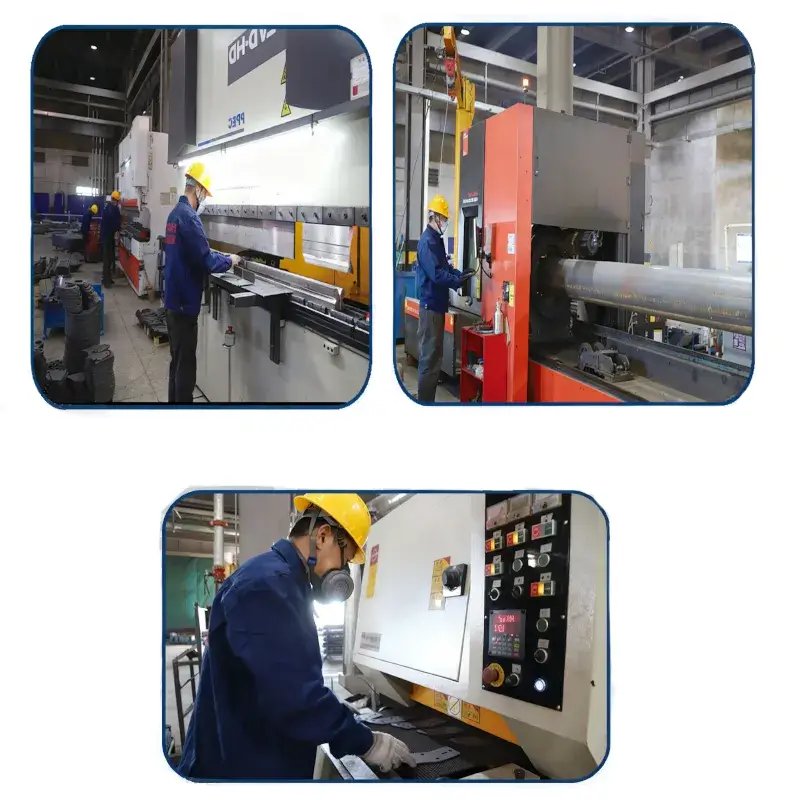
WorkShop
Frequently Asked Questions
Редактор: PXY