Agricultural Machinery Technical Guide
An In-Depth Engineering Analysis on Machine Construction, Power Take-Off Load Mechanics, and Gearbox Regulatory Compliance for Modern Biomass Harvesting
Understanding Fresh Sugar Cane Trash and Bagasse Baling Challenges
Harvesting crop residues after sugarcane cutting poses unique mechanical and thermodynamic challenges for agricultural machinery operators worldwide. Fresh sugar cane trash and residual bagasse contain extremely high moisture levels alongside elevated fibrous silica, making them significantly heavier and more abrasive than conventional wheat straw or dry forage crops. When asking what is round baler equipment capable of doing under these conditions, we must consider that operating a heavy-duty round baler at field operational speeds between 5 km/h and 10 km/h dramatically increases the volumetric intake of sticky biomass. This massive inflow requires substantial sustained power output from the tractor power take-off shaft to prevent rotor clogging and thermal overload in the mechanical drivetrain. Operating a round baler under these extreme field conditions demands a clear understanding of dynamic power absorption, hydraulic resistance, and mechanical wear factor mitigation. Farmers and agricultural contractors must evaluate key performance metrics to match their power units with specialized field machinery. A standard round baler designed solely for dry hay will quickly encounter mechanical binding or hydraulic bypass failure when processing dense, wet sugarcane residues. Consequently, selecting a high-capacity round baler equipped with robust structural reinforcement, optimized compression rollers, and advanced power transmission systems is mandatory to achieve reliable operation, dense bale formation, and prolonged equipment service lifespan during intensive harvesting campaigns.
To achieve optimum bale density without over-taxing the tractor engine, operators must carefully evaluate the torque curve of their power units when pulling a round baler machine through heavy cane trash windrows. High-density compaction requires constant rotational torque at the power take-off drive, particularly during the final chamber filling phase when internal bale density reaches peak thresholds. At ground speeds ranging from 5 to 10 km/h, variations in windrow density create severe instantaneous peak loads that demand generous engine torque rise reserves. If the tractor lacks sufficient mechanical horsepower or hydraulic pump capacity, ground speed drops, bale formation becomes inconsistent, and fuel consumption surges exponentially.
Manufacturing Structure & Mechanical Architecture of High-Density Balers
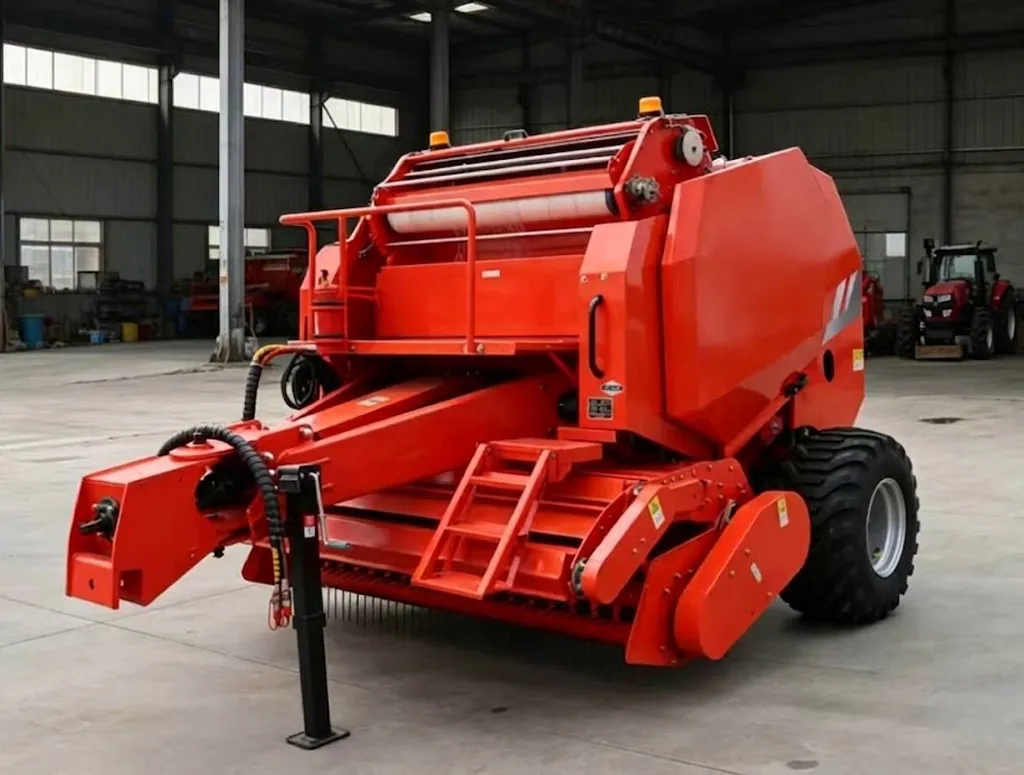
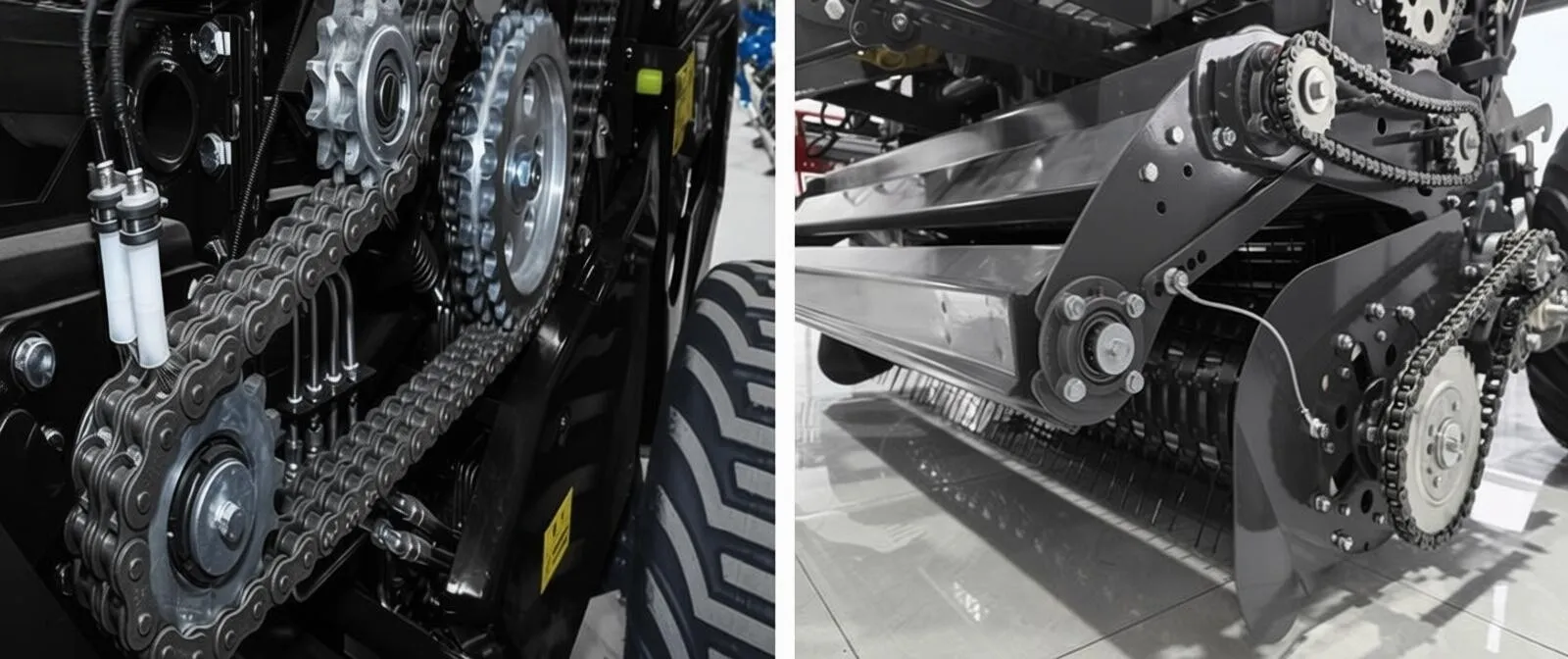
The internal structural architecture of a modern high-density round baler engineered for sugarcane residue baling must withstand severe structural flexing and repetitive shock loads. Unlike standard lightweight machinery, a sugarcane-ready round baler utilizes a fully welded heavy-gauge structural steel frame, integrated reinforced drawbar hitches, and thick-walled cold-drawn compression rollers. The pickup mechanism features a wide finger-style or camless tine system combined with dual lateral feed augers and a forced axial rotor feeder. This configuration accelerates incoming damp sugarcane trash directly into the main forming chamber, eliminating dead zones where wet fibers tend to clump and create blockages. Within the round baler compression chamber, a series of precision-machined heavy-duty steel rollers spin on high-load spherical roller bearings housed in cast-iron pillow blocks. This rigid rolling geometry creates an immediate inner core roll before applying continuous hydraulic pressure to compress the outer layers. The double-sided main drive chain network works in tandem with precision-machined sprockets to ensure synchronous roller rotation even when internal chamber compaction pressures exceed peak hydraulic limits. Every round baler manufacturer focuses heavily on these structural reinforcement areas to prevent catastrophic frame failure.
Furthermore, the hydraulic tailgate opening and closing system incorporates heavy-duty dual-acting hydraulic cylinders equipped with mechanical safety lock valves and pressure sensing units. This ensures that the rear tailgate of the round baler remains tightly sealed under extreme internal pressure, guaranteeing consistent bale diameter and uniform density across every completed package. The netting and wrapping mechanism is positioned at the front upper structure, protected by durable metal access covers, allowing automated, high-speed net wrapping before tailgate release. Every structural beam, pivot point, and mounting bracket within the round baler is strategically gusseted to distribute high torsional stresses evenly across the main chassis. By utilizing advanced computer-aided design and stress-analysis modeling, modern round baler manufacturing guarantees superior structural durability, minimal frame fatigue, and extended operational stability under the most punishing field environments encountered in sugarcane producing regions globally. Those looking for a round hay baler for sale must evaluate these structural parameters before purchasing.
Material System & Metallurgy for Corrosion and Wear Resistance
The material selection for constructing a high-performance round baler capable of processing abrasive sugarcane trash requires specialized metallurgical engineering. Sugarcane leaves and stalks contain high concentrations of natural silica minerals alongside organic acids present in fresh sap. When combined with high ambient field moisture, these compounds act as aggressive abrasive grinding agents that cause severe surface scouring on conventional mild steel components inside a typical round hay baler. To combat this aggressive wear mechanism, critical crop contact components—such as pickup tine bars, feed rotor teeth, chamber stripping plates, and roller surfaces—are fabricated using high-strength alloy steels and wear-resistant quenched plates. Compression rollers in a high-grade round baler are manufactured from seamless thick-walled carbon steel tubing treated with specialized anti-corrosion electrostatic powder coatings or zinc-rich primer systems. High-stress drive shaft components and the internal gears of the round baler gearbox are constructed from forged alloy chromium-molybdenum steel subjected to induction hardening and heat treatment processes to maximize fatigue strength and impact resistance.
In addition to high-grade structural alloys, the roller drive chains rely on heavy-duty reinforced steel alloy pitch chains featuring case-hardened pins and solid bushings. This robust material system prevents stretch, tooth skipping, and premature chain snap during peak load cycles when the round baler is processing dense wet bagasse. Seals, O-rings, and hydraulic hoses are constructed from synthetic fluorocarbon rubber materials resistant to high operating oil temperatures, UV exposure, and acidic crop juices. Hydraulic lines utilize seamless cold-drawn steel hydraulic tubing paired with high-pressure bite-type fitting connections to eliminate fluid leaks under high vibration working conditions. By implementing this comprehensive material framework, the round baler maintains exceptional dimensional stability, structural integrity, and resistance to chemical corrosion over thousands of operational field hours, providing agricultural operators with outstanding long-term round baler machine value and reliability. When researching a round baler application, metallurgy should always be a primary consideration.
Tractor Horsepower and PTO Output Requirements at 5–10 km/h
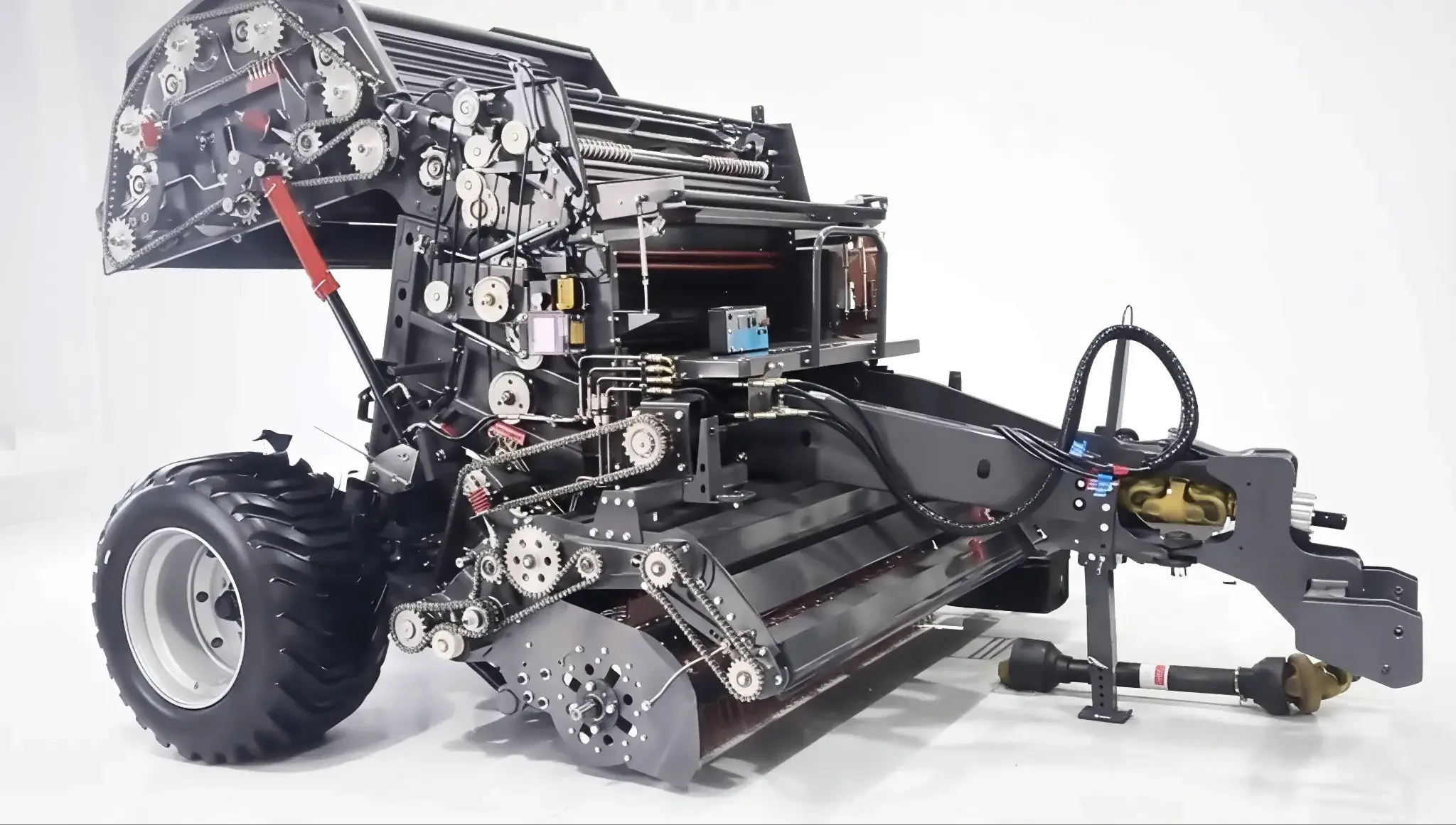
Calculating tractor power and power take-off output requirements for baling fresh sugarcane trash at field speeds between 5 km/h and 10 km/h involves analyzing several dynamic mechanical forces. Ground speed directly dictates the volumetric throughput entering the round baler chamber every second. At 10 km/h in heavy sugarcane residue windrows yielding 8 to 12 tons of wet biomass per hectare, the instantaneous feeding rate can exceed 15 to 20 kilograms of material per second. Overcoming friction, cutting residual fiber clumps, and continuously rolling damp material inside the chamber requires substantial power output. Field testing indicates that while a farm maxx mini round baler, a caeb mini round baler, or a small hay baler can operate on modest tractor power for dry forage, high-density sugarcane round baler operations require a tractor rated between 55 kW and 100 kW (75 HP to 135 HP) with a dedicated power take-off output speed of 540 rpm or 720 rpm. A small round baler for 40 hp tractor will simply not survive the torque requirements of wet bagasse.
In addition to raw engine horsepower, tractor mass and hydraulic system specifications are critical operational parameters. The tractor must possess sufficient gross weight and ballast distribution to maintain steering traction and braking safety when pulling a heavy round baler machine weighing over 4,000 kg across uneven sugarcane field terrain. Hydraulic flow rate must provide adequate auxiliary remote valve pressure to operate tailgate rams rapidly, minimizing delay between round baler cycles.
| Parameter Metric | Medium Duty Specification | Heavy Duty High-Speed Spec |
|---|---|---|
| Recommended Tractor Horsepower | 48 – 75 kW (65 – 100 HP) | 55 – 100 kW (75 – 135 HP) |
| PTO Operational Speed | 540 / 720 rpm | 720 / 1000 rpm |
| Target Field Working Speed | 5 – 7 km/h | 5 – 10 km/h (Peak 35 km/h transit) |
| Pickup Width & Style | 1900 mm Spring Tine | 2240 mm Heavy Tine + Augers |
| Achievable Bale Density | 115 – 180 kg/m³ | 100 – 200 kg/m³ (High Density) |
| Bale Dimensions (Diameter x Width) | Φ1100 x 1000 mm | Φ1300 x 1400 mm / Φ1220 mm Compression |
Selected Equipment Showcase: High-Capacity Round Baler Models
To assist agricultural producers in matching machine capability with field requirements, we highlight two top-tier machinery configurations engineered specifically for biomass recovery and heavy forage collection. These heavy-duty round balers combine optimal pickup width, sensor-controlled density management, and rugged mechanical drive architectures to ensure uninterrupted baling performance in high-moisture sugarcane trash applications, performing far better than a basic mini round baler or a mini hay baler for lawn mower setups.
EP Round Baler Φ1220 mm Compression
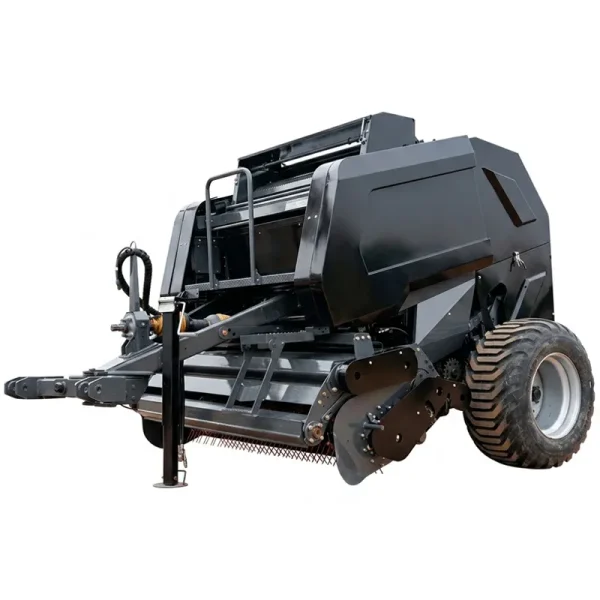
Engineered for maximum density and high hourly throughput, this flagship round baler model features a massive 2240 mm pickup width, an 18-roller compression chamber geometry, and sensor-controlled density monitoring. Designed to pair with tractors rated from 55 kW to 100 kW, it efficiently processes wet sugarcane residue.
EP Round Baler Φ1000 mm Compression
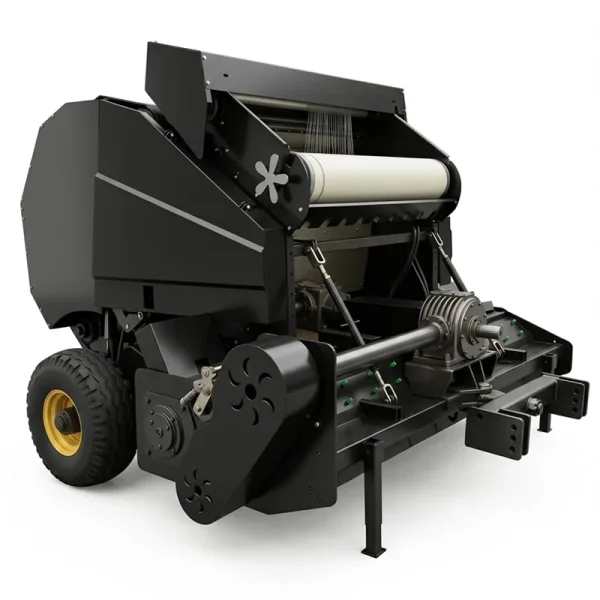
A versatile medium-sized heavy-duty round baler machine optimized for medium horsepower tractors ranging from 48 kW to 80 kW. Featuring a 1900 mm pickup width, 16 roller formation system, and robust gear drive, this unit offers exceptional maneuverability and quick tailgate cycling for medium-scale sugarcane operations.
Gearbox Engineering, Torque Management & South Korean Regulatory Compliance
The round baler gearbox serves as the critical central torque transmission hub, converting high-speed power take-off rotation into high-torque mechanical rotation required by the roller chains and pickup rotor. When baling high-density fresh cane trash at speeds up to 10 km/h, the round baler gearbox experiences severe dynamic shock loads whenever thick biomass windrows enter the chamber. Advanced dual-stage bevel gearboxes utilizing precision gear geometry and heavy-duty cast-iron housings are employed to ensure minimal power loss and smooth torque multiplication. Dual-direction gearboxes allowing up to 90-degree lateral swivel capability enable tractors to execute tight headland turns without disconnecting the power take-off drive shaft, vastly reducing operator fatigue and increasing hourly field productivity for the round baler. Proper synthetic gear oil lubrication, heat-dissipating housing fins, and automatic torque-limiting shear bolts or friction clutches protect the round baler gearbox from destructive torque spikes caused by accidental foreign object ingestion. Those searching for round baler parts must verify gearbox specifications carefully.
When exporting agricultural machinery to target markets such as South Korea, strict legal regulations and engineering standards govern mechanical power transmission components, noise emission levels, and operator safety devices. In South Korea, agricultural equipment must comply with the Agricultural Machinery Management Act administered by the Ministry of Agriculture, Food and Rural Affairs (MAFRA), as well as KC Safety Certification standards managed by the Korean Agency for Technology and Standards (KATS). These legal frameworks dictate mandatory protective shield covers over all rotating round baler gearbox inputs, drive shafts, and chain drives to prevent entanglement accidents. Furthermore, machinery must adhere to strict environmental vibration and noise thresholds (KS B ISO standards) during field operation. Internationally, similar strict safety standards apply, such as the European Union Machinery Directive (2006/42/EC) with CE marking requirements, and North American ASABE/OSHA safety standards governing PTO shaft guards and emergency breakaway coupling mechanisms. Ensuring complete compliance with these regional legal regulations guarantees smooth market access, operator safety, and long-term legal operation across global farming regions for any round baler manufacturer.
System Compatibility & Drive Components: PTO Shafts, Chains, and Reducers
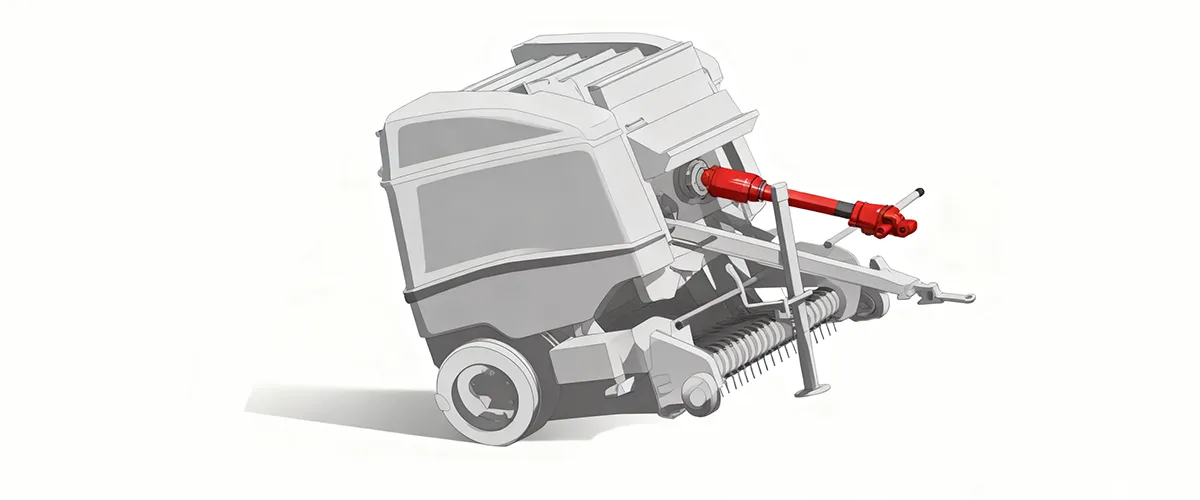
A high-performance round baler functions as an integrated mechanical ecosystem where every power drive component must demonstrate flawless mechanical compatibility. The connection between tractor and baler relies heavily on specialized drive shafts capable of transmitting continuous high torque under dynamic angular misalignment. Pairing the machine with an optimized Agricultural PTO Shaft equipped with wide-angle constant velocity universal joints and integrated overrun friction clutches ensures smooth power delivery during sharp headland maneuvers. Meanwhile, high-tensile Agricultural Chains featuring heavy series side plates and solid rollers transmit power seamlessly across the roller assembly, ensuring synchronized bale formation without chain slack or tooth slippage. Integrating these heavy-duty drive components alongside a full series worm gear reducer creates an ultra-reliable, one-stop supply system designed to withstand the tough conditions of modern sugarcane biomass harvesting. Whether you are replacing krone round baler parts or upgrading a generic round baler machine, system compatibility is non-negotiable.
Agricultural PTO Shaft Systems
Engineered with double-cardan constant velocity joints and torque-limiting clutches to protect the tractor drivetrain and the round baler gearbox during sudden rotor jams. Provides smooth power transfer up to 80-degree turning angles.
Heavy-Duty Agricultural Chains
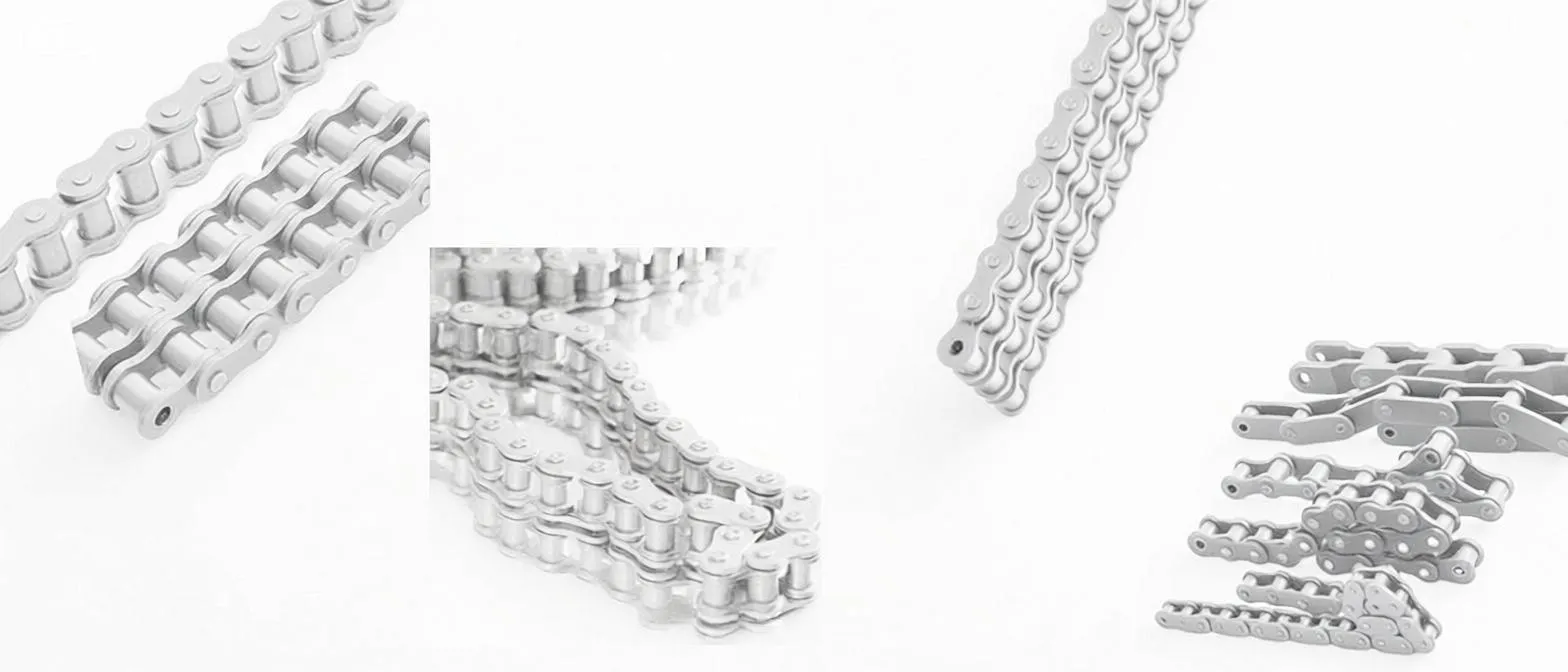
Features dual-sided 20A reinforced pitch chain construction with shot-peened side plates and pre-stretched alloy rollers to eliminate stretch and maintain precise timing across all chamber rollers in your round baler.
About Our Engineering and Manufacturing Experience
Established in 2013, our enterprise has evolved into a modern, intelligent manufacturing comprehensive enterprise deeply rooted in the agriculture and animal husbandry industry. Over more than a decade of dedicated agricultural machinery development, we have specialized in producing a wide series of harvesting machinery. Our comprehensive product portfolio encompasses light and heavy round balers, single and double blade mowers, disc rotary mowers, and single and double side rakes. Operating from advanced production facilities, we integrate scientific research, automated production, quality testing, and international logistics. Certified under the ISO9001 Quality Management System, we strictly adhere to our corporate goal of building a world-class brand and becoming an industry leader in round baler production and forage machinery.
Holding independent import and export rights, our high-performance agricultural machines are deployed extensively across domestic agricultural zones and exported internationally to demanding global markets. By gathering various advantageous resources and utilizing strong economic strength, we continuously introduce advanced international production equipment. Currently, our manufacturing complex owns more than 60 sets of large-scale production equipment—including automated robotic welding stations, CNC laser cutting centers, and electrostatic powder coating lines—delivering an annual design production capacity of over 2,000 machinery units. Whether supporting small family operations with a mini round baler for sale or outfitting large agricultural contractors with industrial units, our one-stop customized machinery solutions ensure maximum field productivity, minimal operational downtime, and optimal biomass recovery efficiency across all harvesting conditions. If you are looking for round balers for sale near me, our global distribution network is ready to assist.
常見問題 (FAQ)
How much tractor horsepower is needed for round baling wet cane trash in South Korea?
Baling wet sugarcane trash at 8 km/h requires a tractor equipped with at least 55 kW to 100 kW (75 HP to 135 HP) engine capacity and a robust PTO output. The elevated moisture content and heavy biomass inflow demand constant torque to prevent rotor clogging and maintain uniform bale density, meaning a small round baler for 40 hp tractor will not suffice for heavy bagasse.
What is the best round baler gearbox compliance standard for agricultural machinery across South Korean farms?
In South Korea, round baler gearboxes and power transmission systems must strictly comply with the Agricultural Machinery Management Act and KC Safety Certification standards under KATS. This requires fully enclosed protective guards over rotating shafts, emergency disconnect mechanisms, and absolute compliance with noise and vibration standards.
Where can agricultural contractors find a heavy-duty round baler machine for sugarcane harvesting applications?
Contractors should consult with a verified round baler manufacturer that specializes in high-density biomass equipment. You must select models equipped with wide-angle constant velocity PTO shafts, friction overrun clutches, and heavy series 20A reinforced drive chains designed specifically for processing wet, abrasive residues.
Which specific pickup width works best for gathering high-density bagasse windrows at fast tractor speeds?
A round baler pickup width of 2240 mm equipped with heavy-duty spring tines, forced axial feeding rotors, and lateral centering augers provides the best performance. This configuration accelerates thick, uneven sugarcane windrows directly into the forming chamber without creating dead zones or wrapping around the intake.
When harvesting fresh crop residue, why does a round baler require a high-capacity continuous hydraulic system?
Automatic sensor-controlled density monitoring inside the round baler continuously adjusts hydraulic pressure during the compression phase. When internal bale density reaches safety thresholds, the system must rapidly actuate net wrapping and tailgate opening, which requires high hydraulic flow to prevent excessive mechanical overload on the PTO drive shaft.
編輯:PXY