Buyer’s Selection Guide
A practical framework for Korean farm managers and procurement decision-makers evaluating round baler suppliers — covering technical verification, parts availability, certification, and the questions that separate a reliable long-term equipment partner from a one-transaction vendor.
Buying a مكبس بالات دائرية is a capital decision with a ten-to-fifteen year operational tail. The machine itself is only part of what you are committing to — the dealer relationship that comes with it determines how well the machine performs in practice, how quickly problems are resolved during harvest, and whether the round baler parts you need are available without a three-week import delay in the middle of the cutting season. Farm managers who approach this purchase purely on specification sheets and upfront considerations miss most of what actually drives long-term ownership satisfaction. The dealer’s technical knowledge of the specific model, their parts inventory depth, their documentation support for Korean import certification, and their response time commitment when a machine stops working in the field are all factors that shape the real cost and productivity of that purchase over its working life.
This guide gives Korean farm managers and procurement officers a structured set of questions to ask before committing to any round baler manufacturer or dealer — questions that surface the information needed to make a comparison across suppliers on dimensions that matter beyond the product specification. The framework applies whether you are evaluating a domestic dealer, a direct import arrangement, or an international manufacturer offering direct sales into the Korean market.
Category 1 — Technical Qualification: What Does the Dealer Actually Know?
A dealer who cannot answer specific technical questions about the round baler machine they are selling is not in a position to help you when something goes wrong in the field. Before any pricing conversation, ask the dealer to walk through the mechanical differences between the models they carry — specifically, how the pickup mechanism differs between models, what the compression roller configuration is, and what the rated PTO torque input is for the model they are recommending for your tractor power. A knowledgeable dealer will give you precise answers: roller count, roller diameter, pickup width in millimetres, and the gearbox torque specification. A dealer who responds with vague references to “heavy duty” and “high performance” without specifics is signalling that their product knowledge is superficial and that their post-sale technical support will be similarly limited.
Ask specifically about the pickup configuration for your primary crop type. If you bale rice straw, ask whether the pickup tines are rated for high-silica abrasion and what the tine replacement interval is under those conditions. If you bale maize stover, ask whether the pickup can be converted from spring-tine to hammer-claw configuration and what that conversion involves in time and cost. If you silage bale at high moisture content, ask how the compression density sensor is calibrated and what the sensor replacement procedure is when it fails. These are not obscure questions — they are baseline technical knowledge for anyone selling commercial round baler machines into Korean farm operations. If the dealer cannot answer them at the enquiry stage, they will not be able to answer them when the machine is down during harvest.
ال round baler gearbox specification is another technical checkpoint worth raising explicitly. Ask the dealer what the rated input torque of the main gearbox is, whether the gearbox is a proprietary design or a standard industrial specification, and how the gearbox oil service interval is defined — hours-based or calendar-based. A gearbox rated for input torques substantially above the tractor’s rated PTO output provides a safety margin during crop slug events; a gearbox rated at exactly the tractor’s rated PTO output has no tolerance for the transient overloads that are routine in heavy-swath or residue baling operations. Understanding where the dealer’s recommended model sits on this specification gives you information about long-term drivetrain reliability that no marketing material will disclose.
What is the compression roller count, roller diameter, and chamber diameter on this specific model? What is the rated PTO speed and gearbox input torque? Can you show me the specification sheet in writing?
Specific numbers, not adjectives. A qualified dealer gives you: 18 rollers at φ222 mm, chamber diameter φ1,200 mm, rated PTO 720 r/min, gearbox input torque exceeding tractor PTO maximum. Vague answers indicate shallow product knowledge.
If the dealer cannot describe the pickup mechanism or the chamber type without checking a brochure during the conversation, their post-sale service capability is likely to be equally limited. Request a written specification sheet before proceeding.
Category 2 — Parts Availability and Service Response: The Questions That Protect Your Harvest Season
The most technically advanced مكبس بالات دائرية in its price range becomes a liability if the dealer cannot supply replacement parts within a time frame that keeps the machine productive during the Korean spring or autumn cutting window. A pickup tine failure that takes four days to resolve costs more in lost forage quality and missed baling days than any parts saving made during purchase negotiation. Before finalizing a supplier decision, ask the dealer directly: what is your current stock position on pickup tines, compression roller bearings, and net wrap guide plates for the model I am buying? If the dealer cannot answer this from their own inventory system during the conversation, they are either not stocking these parts locally or do not have a systematic parts management approach — either of which is a risk during the narrow Korean harvest window.
Ask what the response time commitment is for a critical field breakdown during active baling season. A field-ready response from a dealer within 24 hours is a realistic expectation for the Korean market, where most agricultural operations are within reach of an adequately resourced dealer network. A dealer who cannot commit to a 24-hour response or who qualifies the commitment with extensive conditions is signalling that their service infrastructure is not sized for the demand that a full harvest season places on it. Ask whether the dealer has a dedicated service technician for agricultural machinery or whether service calls are handled by the same staff that manage equipment sales — the latter arrangement invariably means service calls are deprioritized during busy sales periods, which overlap with harvest season.
The parts availability question extends to longer-term serviceability. A مكبس بالات دائرية purchased today should remain serviceable for 10–15 years — which means the manufacturer must be committed to supplying parts for at least that period after the purchase date. Ask the dealer what the manufacturer’s stated parts availability commitment is for this model, and whether that commitment is documented in the supply agreement. For Korean farms operating within MAFRA’s farm machinery subsidy documentation framework, parts availability assurance may also be relevant to the subsidy eligibility review, since machines that cannot be serviced domestically may not qualify for certain categories of subsidized maintenance support.

Category 3 — Documentation, Certification & Regulatory Compliance
Korean farm managers purchasing agricultural machinery for use on registered farm operations need to verify that the equipment meets the certification requirements that govern both legal operation and access to MAFRA subsidy programs. The Agricultural Mechanization Promotion Act requires that round balers used on commercial Korean farms meet the safety standards specified in KS B ISO 4254-7, and that machines imported under the HS 84.33 tariff classification have supporting technical documentation compatible with KAMICO certification review. Ask the dealer directly whether the specific model carries KS B ISO 4254-7 compliance documentation and whether KAMICO-compatible technical files are available in Korean or English — not just in the manufacturer’s domestic language.
The MAFRA farm machinery purchase subsidy eligibility is a separate documentation requirement. Not all round baler machines sold into Korea are listed in the current MAFRA eligible equipment catalog, and subsidy eligibility status can change between catalog revision cycles. Ask the dealer to confirm the specific model’s current subsidy eligibility status and to provide written confirmation — not a verbal assurance — since subsidy eligibility at the time of purchase must typically be documented before the purchase date for the claim to be processed. If the dealer cannot confirm eligibility status or does not know what the MAFRA subsidy catalog is, this is a significant gap in their Korean market knowledge that should raise concerns about their overall service capability in the Korean regulatory environment.
Ask for the operator manual in a language the farm’s maintenance personnel can use. For Korean operations, a Korean-language manual is the minimum requirement; English-language manuals are acceptable as a secondary reference but should not be the only documentation provided for a machine operated by Korean-speaking maintenance staff. Maintenance instructions that cannot be read by the person performing the maintenance are a safety and reliability risk — the wrong torque setting on a roller bearing housing applied by a technician who cannot read the specification is a failure mode that the manual is supposed to prevent. A dealer who delivers a machine with documentation only in the manufacturer’s domestic language and promises “we will translate the important parts” is not delivering an acceptable documentation package for Korean farm operations.
Ask for written confirmation that the specific model carries KS B ISO 4254-7 safety compliance documentation, including guard geometry documentation for all rotating and dynamic components.
Request written confirmation of current subsidy eligibility status — not a verbal assurance. Eligibility must be documented before the purchase date to support the subsidy claim through the regional rural development center.
Operator manual in Korean or English is the minimum standard. Maintenance specifications, torque values, and service interval documentation must be readable by the farm’s maintenance personnel before the machine is commissioned.
Manufacturing Structure & Material Standards: Questions That Reveal Build Quality
A dealer who can speak to manufacturing quality specifics has typically visited the production facility or received detailed technical training from the manufacturer — both indicators of a substantive supplier relationship rather than a transactional distribution arrangement. Ask the dealer what steel grade is used in the main pickup frame and whether the tine socket welds are stress-relieved after welding. These questions sound technical, but any competent dealer representing a quality round baler manufacturer should be able to answer them because they are the details that determine frame fatigue life in demanding residue and silage applications. Stress-relieved multi-pass socket welds are a manufacturing investment that separates machines designed for extended service life from those built to a lowest-acceptable specification.
Ask about the corrosion protection specification on the main frame and chamber assembly. For Korean farm operations in paddy-adjacent environments — where surface moisture from irrigation draw-down means the machine works in high-humidity conditions throughout the residue baling season — a single-layer paint system over bare steel is an inadequate corrosion protection specification. The appropriate standard for Korean paddy-field use is zinc phosphate conversion coating at the substrate level, followed by electrostatic powder coat as the topcoat. This two-stage system prevents the rust-bleed at frame joints that accelerates structural fatigue at weld toes and is the cause of early frame cracking failures on inadequately protected machines used in humid conditions. A dealer who confirms this protection system — and can tell you the primer type and topcoat type from their specification documentation — has a supplier relationship that includes real manufacturing quality information.
The compression roller material and surface treatment specification is a build quality indicator that is worth asking about directly. Roller cylinders on quality machines are fabricated from Q345B structural plate with seam welds carried out under controlled conditions; the roller surface treatment — whether smooth, knurled, or ribbed — should be matched to the primary crop application rather than standardized across all models regardless of use case. Tine material specification — 65Mn spring steel heat-treated to HRC 44–48 for residue applications — is another material detail that a dealer with genuine product knowledge can confirm. These are not details that should require the dealer to “check with the manufacturer” — if they do not know them from the product training they have received, that training was either not provided or not comprehensive.
Browse our full documented مكبس بالات دائرية range with published specifications, certification details, and matched parts availability for Korean farm operations.
Category 4 — Product-Farm Match: Is the Dealer Recommending the Right Machine for You?
A dealer who recommends the same model to every customer regardless of farm scale, tractor power, primary crop type, and field geometry is prioritizing their inventory clearance over your operational fit. The right مكبس بالات دائرية for a 15 ha Korean upland farm running a 48–60 kW tractor on dry hay baling is a fundamentally different machine from the right model for a 60 ha mixed paddy-and-livestock operation running a 75–100 kW tractor on silage and rice straw. If the dealer’s opening recommendation does not involve asking you about your tractor’s rated PTO power, your primary crop type, your required bale density, and the size of your smallest field plot — they are not matching you to a machine, they are matching you to their stock.
For Korean farms in the small-to-mid range — 15–40 ha, tractors in the 48–75 kW range — the relevant model questions center on pickup width versus field plot size, and whether the machine’s minimum bale density can be achieved on the tractor’s available PTO output at the field speeds required to complete baling within the weather window. A small round baler with a pickup width of 1,900 mm and a rated power requirement of 48–80 kW, producing bales of φ1,100 mm × 1,000 mm at 115–200 kg/m³, is a correctly scaled starting point for this farm size — the 9YG-1.0 series fits this profile. A dealer who recommends a machine requiring 75–100 kW of PTO input to a customer with a 55 kW tractor is either unaware of the mismatch or has chosen to ignore it; neither outcome should inspire confidence in their post-sale support commitment.
Ask the dealer to confirm that the model they are recommending has been operated on the same primary crop type in Korean field conditions — not just in general terms, but with reference to specific field characteristics. Rice straw baling in Korean paddy fields presents different challenges from the wheat straw or grass forage baling that most international product testing covers. If the dealer can point to Korean operators using the specific model on the crop type you are baling, this is meaningful product-market validation. If their only reference experience is from non-Korean markets or from crop types that do not share the silica content and lying geometry of Korean paddy-field rice straw, the real-world performance confirmation you are looking for may not yet exist for that supplier-model combination.
Example Specification: EP 9YG-1.0 Round Baler
A correctly scaled entry-level fixed chamber round baler for Korean farms with 48–80 kW tractors — a benchmark for evaluating dealer product-match recommendations at this farm scale.
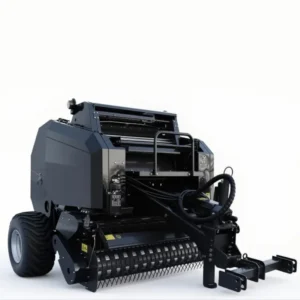
| عرض الالتقاط | 1,900 mm |
| Chamber Diameter | φ1,000 mm |
| Chamber Width | 1,000 mm |
| Compression Rollers | 16 rollers, φ222 mm |
| Bale Size (Ø × W) | φ1,100 mm × 1,000 mm |
| كثافة البالة | 115–200 kg/m³ (sensor-controlled) |
| الطاقة المطلوبة | 48–80 kW |
| سرعة PTO | 720 r/min |
| غلاف شبكي | 2,000 × 1.0 m per bale |
Regulatory Knowledge: What a Well-Qualified Dealer Should Know About Your Market
A dealer serving Korean farm operations should be able to speak to the Korean regulatory environment for imported agricultural machinery with more than surface-level familiarity. They should know that the Agricultural Mechanization Promotion Act governs machinery safety certification in Korea, that KS B ISO 4254-7 is the relevant baler safety standard, and that KAMICO administers the certification process for machines seeking MAFRA subsidy eligibility. If you ask a dealer about any of these frameworks and receive a blank response or a redirect to the manufacturer’s compliance team, this is a supplier who is not invested in the Korean regulatory market and who will not be able to help you navigate documentation requirements when they arise — and they always do arise, either at import customs, at the subsidy application stage, or during farm inspection.
For context, it is useful to know what equivalent frameworks look like in other markets when evaluating a supplier’s breadth of regulatory knowledge. In the European Union, round baler machines must carry CE marking under Machinery Regulation EU 2023/1230, with ISO 4254-7 as the harmonized technical standard. In Australia, the Work Health and Safety Regulations and AS 4024 Safety of Machinery series govern machinery safety, with state WHS authority inspection rights applying to all farm machinery in operation. In Japan, the Agricultural Machinery Safety Law and JIS B 9700-series standards apply, with prefectural agricultural extension services conducting seasonal safety inspections. A dealer who exports internationally and who can describe these parallel frameworks — not necessarily in depth, but with awareness — has a regulatory knowledge base that suggests genuine engagement with multiple markets, which typically correlates with better compliance documentation practice overall.
Ask the dealer specifically about their experience with Korean customs documentation under HS 84.33 — the tariff classification that covers harvesting or threshing machinery including round balers. A dealer who has successfully imported round baler machines into Korea through the standard customs pathway will have experience with the technical document package required by Korean customs and will be able to confirm the current duty rate and any applicable exemptions under the relevant Korea Free Trade Agreements. A dealer who has only sold domestically or to markets with less rigorous import documentation requirements may produce an incomplete technical file that creates customs clearance delays at the point of entry — a costly delay that is almost entirely avoidable with an experienced import dealer.
Agricultural Mechanization Promotion Act; KS B ISO 4254-7 baler safety; KAMICO certification; MAFRA subsidy eligibility catalog; HS 84.33 customs classification; Korean-language operator manual requirement.
Machinery Regulation EU 2023/1230; CE marking required; ISO 4254-7 harmonized standard; Annex I essential safety requirements; technical file must be retained by manufacturer for 10 years post-sale.
Work Health and Safety Regulations; AS 4024 Safety of Machinery; state WHS authority inspection rights; guarding compliance on all rotating and dynamic components; operator manual in English required.
Agricultural Machinery Safety Law; JIS B 9700-series standards; prefectural agricultural extension service seasonal inspection programs; machinery import documentation through MAFF-aligned customs classification.
Dealer Evaluation Scorecard: A Practical Reference Framework
Use the following scorecard to compare multiple dealers on the dimensions that determine real ownership value. Score each dealer on each criterion during or after your evaluation conversation. Any dealer scoring below 60% of the total possible score on this framework should be approached with caution regardless of the upfront offer they present. A low technical knowledge score combined with a low parts availability score is a particularly high-risk combination for harvest-season operations in Korea.
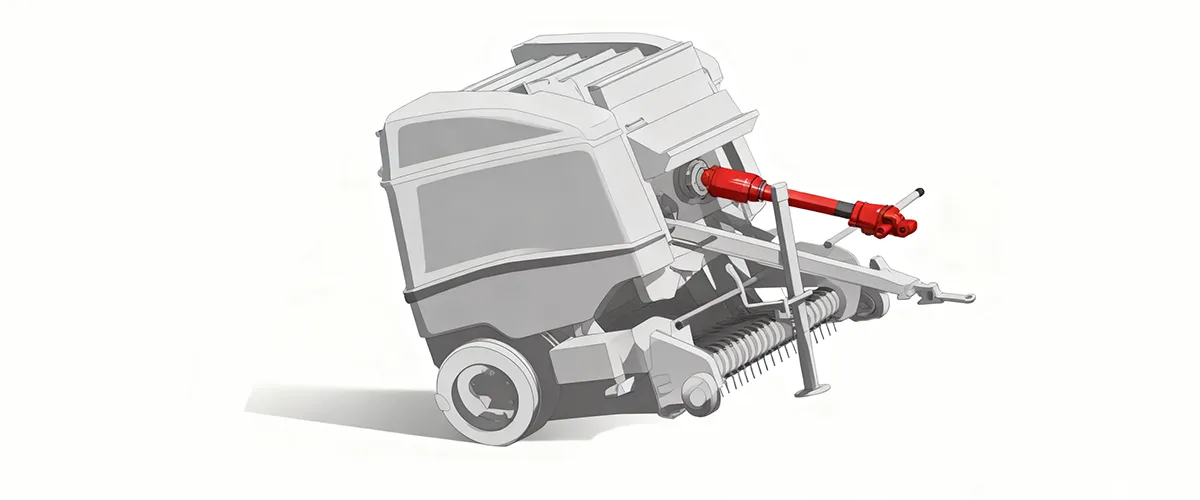
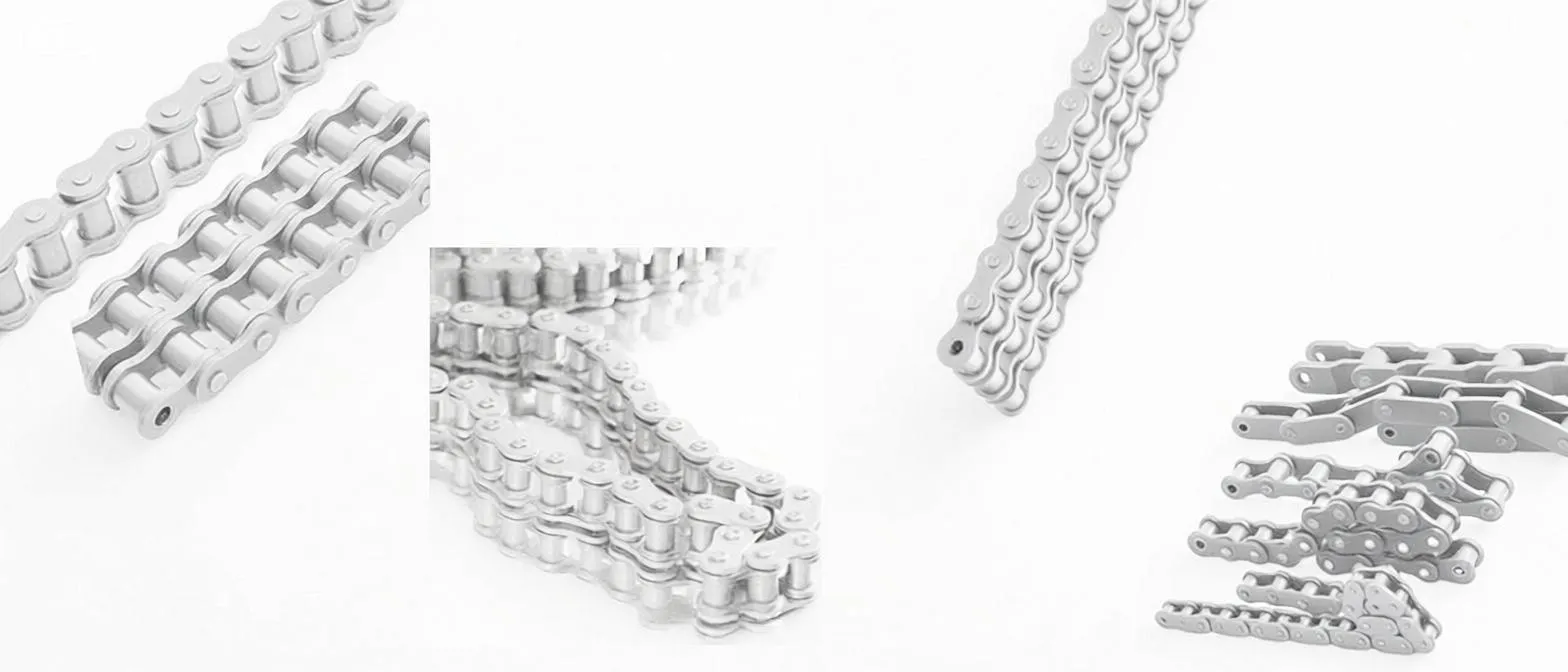
One-Source Supply: Round Baler & Drive System Components
The best dealers supply not just the round baler but the matched drive components — verified compatibility from the tractor PTO through to the bale surface.
What a Well-Qualified Round Baler Manufacturer Looks Like From the Inside
In operation since 2013, our manufacturing enterprise covers the full agricultural and animal husbandry harvesting machinery spectrum — from light compact round balers to heavy-capacity silage and residue models, alongside single and double-blade mowers, disc rotary mowers, and single and double-side rakes. All production operates under an ISO 9001-certified quality management system with independent import and export licensing, covering direct market supply to Korea, Australia, Europe, and other international markets.
With over 60 large-scale production equipment units and an annual design capacity of 2,000 machines, our manufacturing scale supports consistent part production quality and a parts inventory system capable of supplying high-frequency consumables to international markets without the import lead times that smaller operations cannot avoid. Every model in our range has a documented parts availability commitment extending across the expected 10–15 year machine working life — not because our contracts require it, but because we recognize that our customers’ confidence in the machine’s long-term serviceability is the foundation of the supplier relationship we are trying to build.
When you evaluate us as a round baler manufacturer against the framework in this article, we expect to be able to answer every question in Category 1 through Category 4 with specific, documented information — because the questions in this guide are the same questions our own product development team uses when we evaluate whether a model is ready for market. We wrote this guide because a well-informed buyer makes a better customer, and because suppliers who cannot pass this evaluation framework should not be supplying Korean farm operations with commercial round balers.
Frequently Asked Questions
What documentation should Korean farm managers request from a round baler dealer to confirm MAFRA subsidy eligibility before signing a purchase agreement? +
How should a Korean farm manager verify that a round baler dealer stocks the critical replacement parts needed during the spring silage cutting season? +
What are the most important round baler machine specifications a Korean livestock farm manager should confirm before committing to a specific model? +
Where can Korean agricultural operations find verified round baler dealers near them who have confirmed experience with Korean paddy-field rice straw baling? +
How can a Korean farm manager evaluate whether a small round baler manufacturer is financially stable enough to honor a 10-year parts availability commitment? +
المحرر: PXY