Navigating the complex landscape of agricultural machinery procurement requires far more than merely glancing at a basic specification sheet provided by a round baler manufacturer; it necessitates a deep, analytical dive into comprehensive performance data derived from rigorous, independent field tests. When operating in demanding agricultural environments—particularly those found in the mountainous and highly variable climatic regions of South Korea, where the production of premium Hanwoo cattle feed is a critical economic driver—the sheer capability of your round baler machine dictates your operational viability. High-moisture silage, which forms the backbone of advanced dairy and beef nutritional programs, presents an immense mechanical challenge due to its exceptional density, weight, and aggressive corrosive properties. Independent field tests serve as the ultimate proving ground, stripping away marketing hyperbole to reveal exactly how a specific round baler handles the brutal realities of wet forage compression. By learning how to meticulously evaluate this independent test data, farm owners and agricultural contractors can accurately gauge how a machine’s underlying manufacturing structure resists torsional twisting under maximum chamber pressure, and how its advanced material system combats the acidic plant juices released during the baling process. Whether you are scaling up your commercial operations or trying to determine if a small round baler for 40 hp tractor is robust enough for your specific acreage, mastering the interpretation of field test metrics regarding continuous throughput, bale density consistency, and long-term mechanical reliability is absolutely paramount. This guide is designed to empower you with the technical knowledge required to dissect field reports, ensuring your next heavy-duty round baler investment delivers uncompromising performance, maximizes lactic acid fermentation in your silage, and ultimately safeguards the nutritional integrity of your vital livestock feed reserves.
Decoding the Manufacturing Structure in Field Test Reports
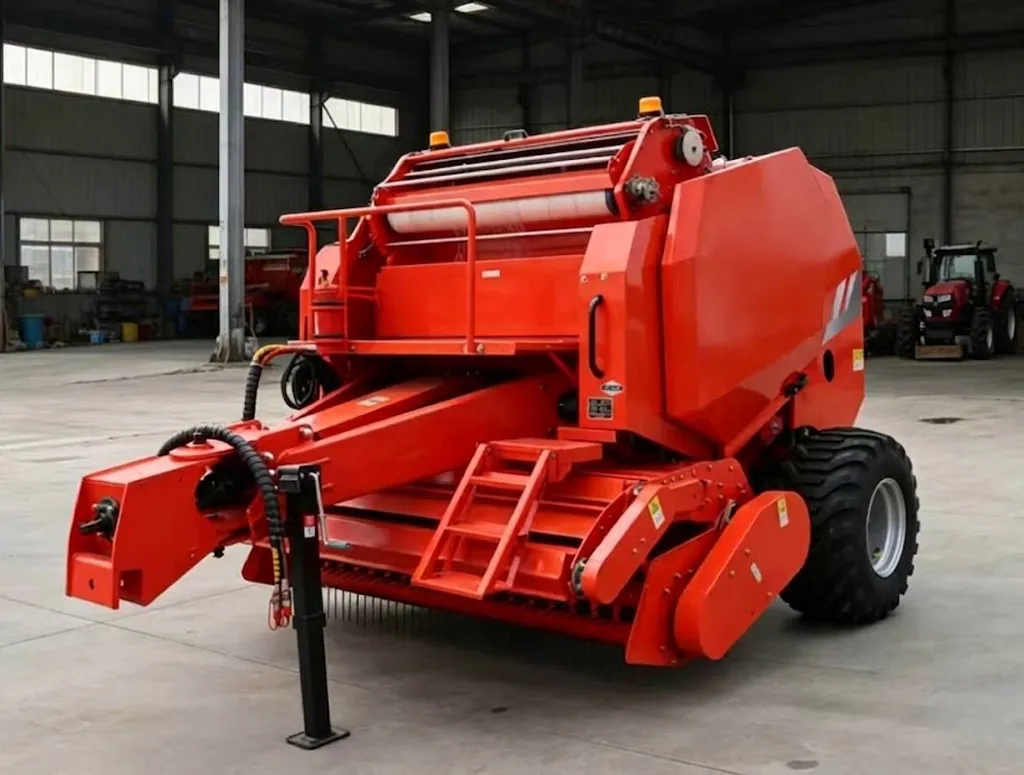
When scrutinizing independent field test data for any high-capacity round baler, the initial focal point must always be the empirical analysis of the machine’s core manufacturing structure. High-moisture silage demands absolute oxygen deprivation to initiate proper fermentation; this means the round baler machine must exert and sustain phenomenal radial pressures without suffering structural deflection. Field test data will typically highlight strain gauge measurements taken directly from the primary chassis and the compression chamber walls during peak load periods. A superior round baler utilizes heavily reinforced, high-tensile steel construction that registers minimal flex when the chamber reaches its maximum volumetric capacity just prior to the net wrapping sequence. If the independent data indicates significant chamber distortion, you are looking at a machine that will inevitably produce misshapen bales, leading to air ingress, rampant mold growth, and disastrous feed spoilage. Furthermore, the structural design of the compaction rollers is intensely evaluated during these trials. Fixed chamber designs utilizing heavy-duty ribbed steel rollers are repeatedly proven in field tests to provide superior mechanical grip on wet, slippery crops compared to traditional belt configurations. The data will clearly show that a robust roller-based round baler application dramatically reduces instances of material slippage and blockages, ensuring a continuous, relentless tumble of the forage. By prioritizing a manufacturing structure that exhibits zero compromise in independent testing, operators can confidently secure a round baler that will withstand thousands of heavy silage cycles without succumbing to catastrophic chassis fatigue or premature bearing failure.
Chassis Deflection Metrics
Field tests utilize advanced strain gauges to measure how the high-tensile steel frame of a premium round baler handles peak compression loads, ensuring long-term alignment and preventing costly warping during heavy wet silage harvesting.
Roller Grip Efficiency
Independent evaluations closely monitor the mechanical traction of ribbed solid steel rollers, proving their superiority over belts by maintaining continuous rotation and maximum density when processing high-moisture, slippery forage crops.
Driveline Torque Capacity
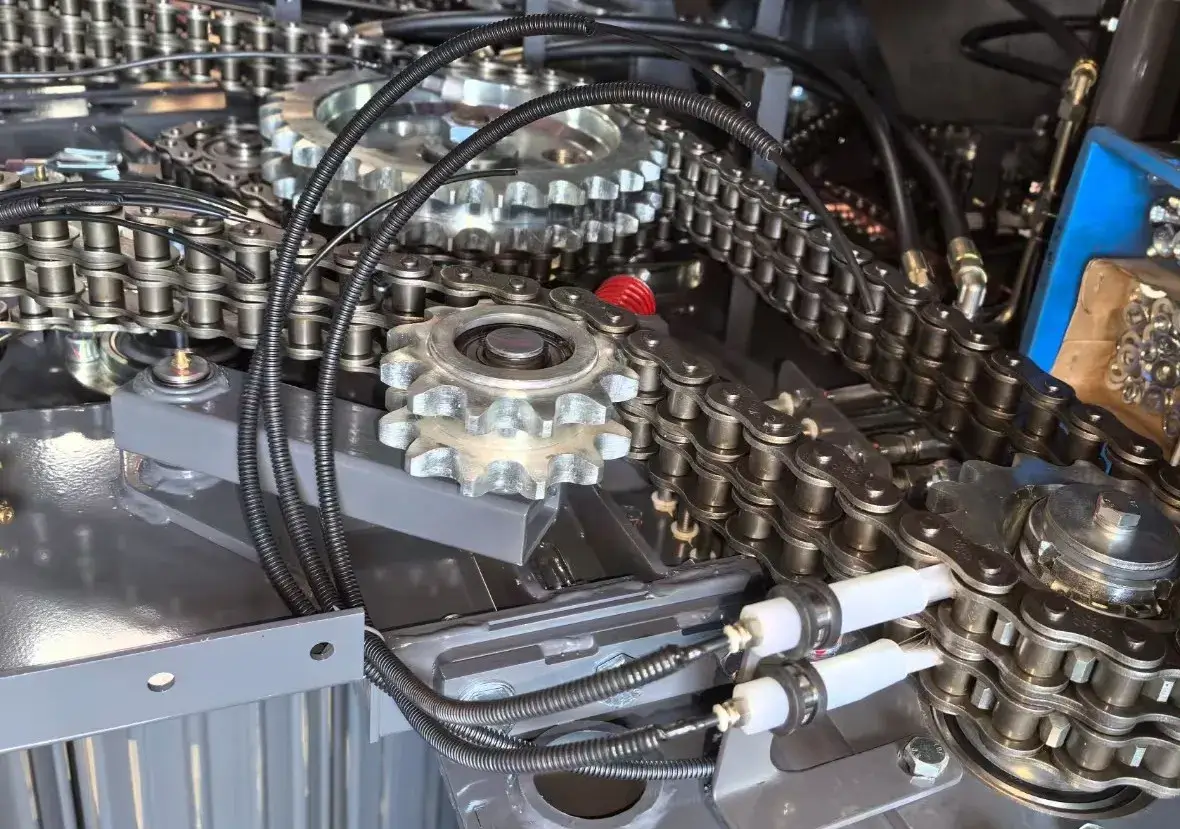
Performance data critically assesses the round baler gearbox and reinforced continuous chain systems to ensure they can safely transfer the massive rotational torque required to finish and wrap extremely heavy silage bales without stalling.
Evaluating the Material System and Anti-Corrosion Defense
Beyond pure structural strength, the most revealing aspect of any independent round baler field test is the long-term evaluation of the machine’s material system, specifically its ability to withstand extreme corrosive environments. Baling high-moisture silage is inherently destructive; the mechanical compression crushes plant stems, releasing a highly acidic mixture of lactic, acetic, and butyric sap that coats the interior of the machine. Field tests meticulously document how this corrosive slurry interacts with the round baler parts over hundreds of hours of operation. A top-tier round baler manufacturer counters this threat by implementing highly advanced material systems, frequently utilizing heavy hot-dip galvanization on critical crop-contact surfaces, pickup bands, and internal chamber guards to create an impenetrable barrier against rust. Furthermore, independent data often compares standard paint finishes against industrial-grade, baked-on powder coating, consistently demonstrating that powder-coated chassis panels vastly outperform traditional paints in resisting acidic blistering and abrasive wear. Crucially, the hidden components are also heavily scrutinized. The data will reveal the failure rates of standard bearings compared to the specialized, heavy-duty spherical roller bearings used in premium round balers. These high-end bearings are protected by complex, multi-lip labyrinth seals designed explicitly to prevent microscopic acidic moisture and abrasive field dust from infiltrating the housing. When comparing different options, whether it is a well-known brand like a john deere round baler, a krone round baler, or specialized heavy-duty regional models, the integrity of the material system as proven by independent testing is the true indicator of whether the baler will deliver a decade of reliable service or require massive overhauls after just a few grueling autumn seasons.
Interpreting Mechanical Output and Density Metrics
The culmination of structural rigidity and advanced material science is directly reflected in the mechanical output metrics captured during field testing. For South Korean dairy farmers and contractors, the most critical data point is the verifiable bale density achieved in high-moisture conditions. Independent tests utilize specialized probing equipment to measure the density gradient from the core to the outer edge of the bale. A superior round baler machine will utilize an intelligent, sensor-controlled density management system that actively adjusts the hydraulic pressure on the tailgate during the final stages of compression. This ensures an incredibly tight, uniform outer layer that absolutely seals out oxygen, which is the primary objective of any silage round baler application. Furthermore, field tests will log the operational temperatures of the main round baler gearbox under continuous heavy load. A gearbox that runs excessively hot indicates inefficient power transfer and impending failure, whereas an oversized, heat-dissipating gearbox ensures that the immense power from the tractor is smoothly converted into mechanical compaction force without energy loss. Finally, throughput capacity—measured in tons per hour—is analyzed to determine how effectively the camless pickup and rotary feeding mechanisms handle large, uneven swaths of wet crop without plugging, allowing operators to race against narrowing weather windows with absolute confidence.
Field-Tested Round Baler Models for Demanding Conditions
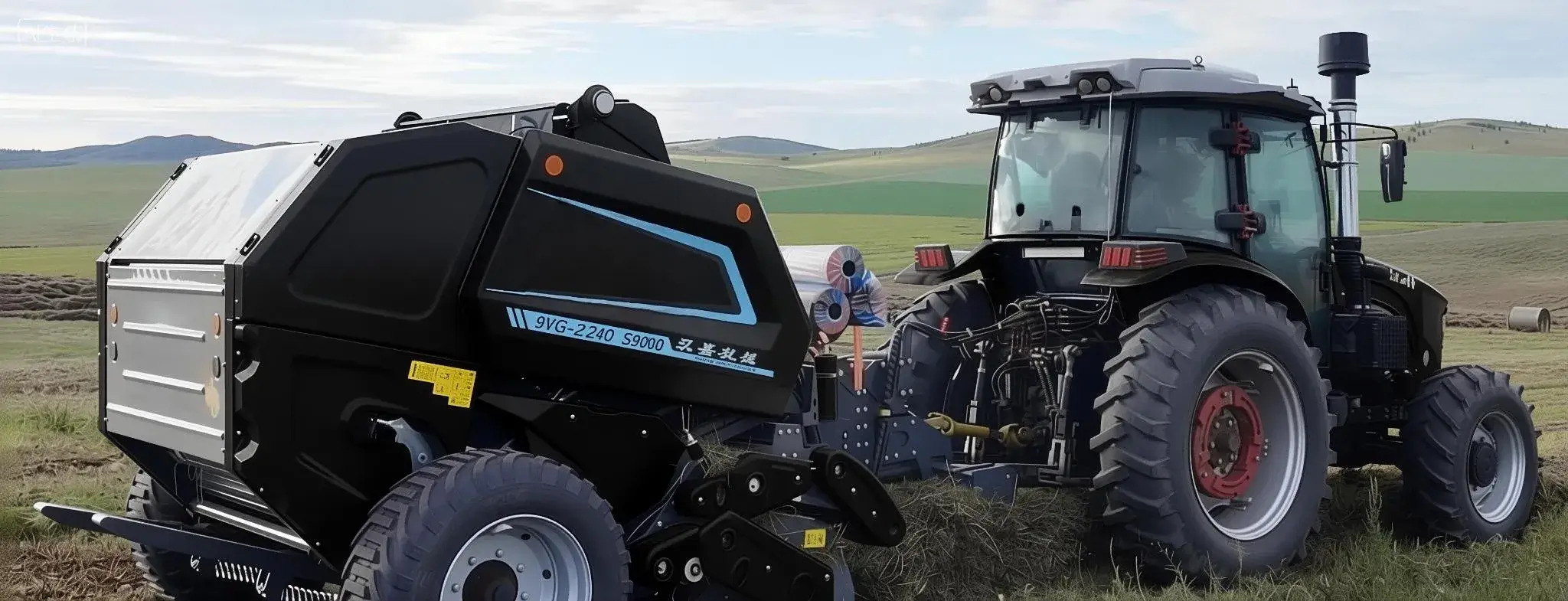
Relying on empirical data rather than speculation is the only way to ensure your harvesting operation remains profitable. While there are countless round balers for sale near me listed online, from a basic mini hay baler for lawn mower setups to obscure brands, selecting a machine specifically engineered and proven for high-moisture silage is non-negotiable. Our heavy-duty models have been rigorously tested to exceed the demands of intensive forage production, offering unmatched structural integrity, sensor-driven density control, and highly resilient material systems designed for continuous commercial application.
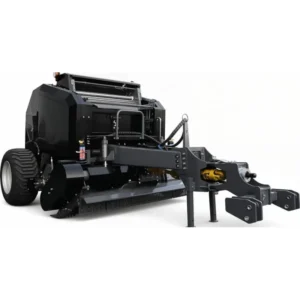
9YG-2.24D راؤنڈ بیلر (S9000)
- Pickup Width: 2240 mm for massive swaths
- Compression Chamber: 18 Heavy-Duty Ribbed Rollers
- Bale Dimensions: Φ1300 × 1400 mm
- بجلی کی ضرورت: 55 – 100 kW efficiency
- Advanced Control: Intelligent sensor-based density management
9YG-1.25 راؤنڈ بیلر
- Pickup Width: 2240 mm wide collection
- Chamber Type: High-compression roller type (18 units)
- Bale Dimensions: 1200 × 1250 mm
- بجلی کی ضرورت: ≥ 88.2 kW / 120 HP
- Special Feature: Interchangeable tine and heavy hammer claw pickup
Maximizing Uptime with Seamless System Compatibility
Even the most structurally sound round baler machine will fail to perform optimally if the external power delivery systems are compromised. Independent field tests frequently identify the connection points between the tractor and the implement as critical vulnerabilities during heavy silage harvesting. To eliminate these bottlenecks and provide a comprehensive, one-stop supply advantage, our engineering extends beyond the baler itself to include premium, perfectly matched accessory components. By utilizing our highly calibrated and dynamically balanced Agricultural PTO Shaft, operators can guarantee safe, vibration-free power transfer, completely mitigating the risk of destructive resonance damaging the primary round baler gearbox. Additionally, we integrate ultra-durable Agricultural Chain systems and precision worm gear reducers designed specifically to handle the extreme tension spikes that occur when baling wet forage. This holistic, system-compatible approach significantly reduces premature wear on your vital round baler parts, dramatically increases harvesting uptime, and ensures that every kilowatt of tractor power is efficiently utilized to create perfectly compressed silage bales.
Heavy-Duty PTO Systems
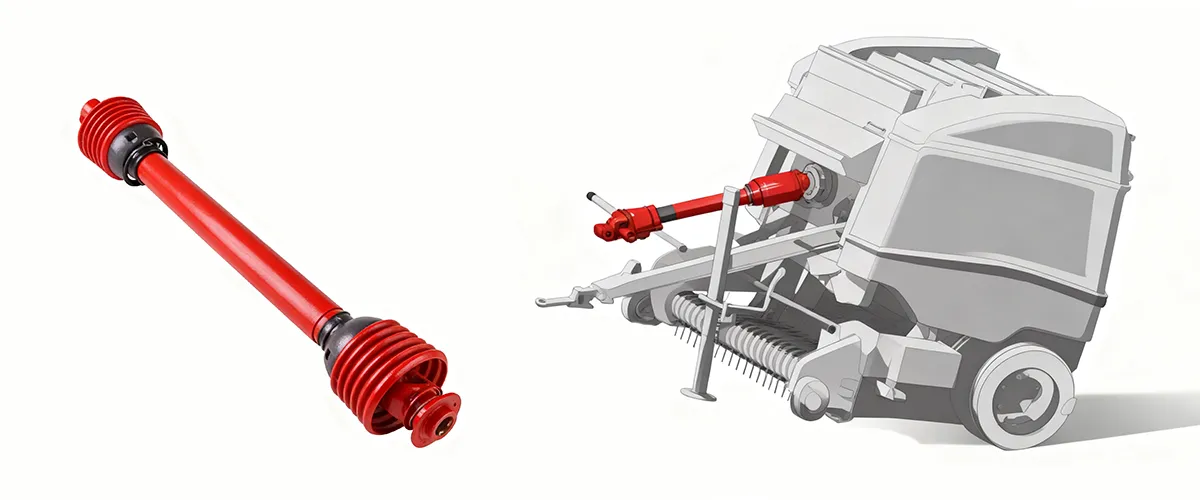
Engineered for vibration-free power transfer under extreme torque loads.
Precision Agricultural Chains
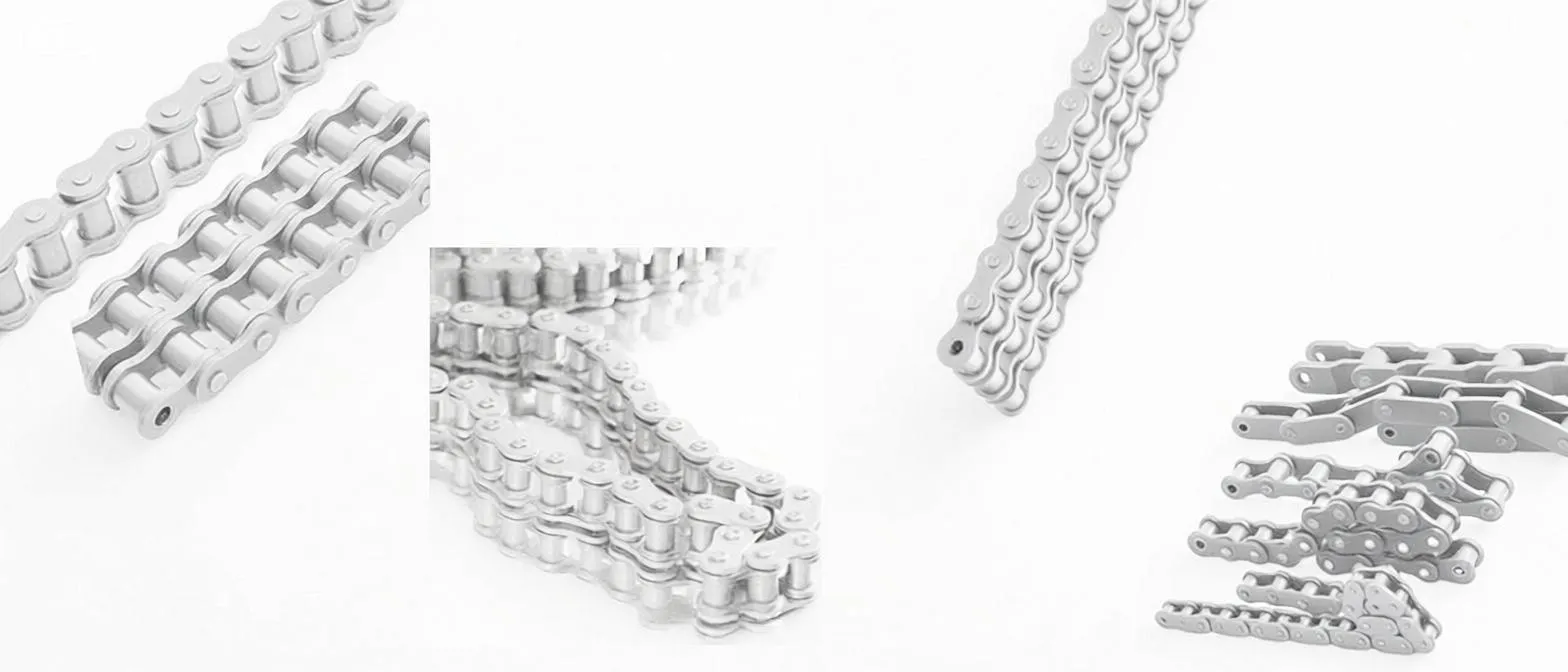
High-tensile chains designed to eliminate stretching in high-moisture baling.
About Our Organization: A Decade of Agricultural Manufacturing Excellence
Established in 2013, our organization has rapidly evolved into a highly advanced, intelligent manufacturing enterprise solely dedicated to pushing the boundaries of the agriculture and animal husbandry industries. With well over a decade of deep mechanical engineering experience, our modern facility focuses on the rigorous production of a comprehensive suite of high-performance harvesting machinery. Our extensive and highly sought-after portfolio includes both highly maneuverable light balers and industrial-grade heavy round baler machines, alongside precision single and double blade mowers, disc rotary mowers, and robust side rakes. Operating with fully independent import and export rights, our entire operational framework is strictly certified under the rigorous ISO9001 Quality Management System, reflecting our absolute commitment to engineering perfection. Driven by the ambitious corporate objective to build a world-class brand and firmly establish ourselves as an undisputed industry leader, we have systematically gathered superior global supply chain resources. Backed by formidable economic strength, we continually introduce highly advanced international production technologies into our workflow. Currently, our expansive manufacturing plant utilizes more than sixty sets of large-scale, state-of-the-art production equipment, empowering us with a massive annual design and production capacity of 2,000 premium machinery units. We invite you to explore our advanced solutions and discover the future of forage management by visiting our Products Showcase, or reach out to our technical team directly via our Contact page to discuss your specific operational requirements.
اکثر پوچھے گئے سوالات (FAQ)
Where can South Korean dairy farmers find independent field test data for a high-moisture round baler?
South Korean dairy farmers can access highly reliable independent field test data through certified agricultural extension offices, university agricultural engineering departments, and direct consultation with a premium round baler manufacturer dedicated to transparent performance metrics.
What specific round baler gearbox features should I look for when baling heavy Hanwoo cattle feed?
When baling exceptionally dense Hanwoo cattle feed, you must look for an oversized, heat-dissipating round baler gearbox equipped with hardened gears and high-capacity bearings to handle the extreme torque loads without dangerous overheating or stalling.
How does the manufacturing structure of a round baler machine impact wet silage preservation in mountainous regions?
A highly rigid manufacturing structure prevents the compression chamber from flexing under heavy loads, ensuring the round baler machine produces perfectly uniform, ultra-dense bales that completely exclude oxygen, which is vital for preserving wet silage in mountainous regions.
Which round baler parts typically fail first during intensive autumn silage harvesting without proper anti-corrosion materials?
Without advanced anti-corrosion materials, the round baler parts that typically fail first during intensive autumn harvesting are the unprotected carbon steel pickup bands, internal chamber guards, and standard roller bearings that quickly degrade from acidic plant sap exposure.
When evaluating round baler application metrics, what is the ideal bale density for optimal lactic acid fermentation?
When strictly evaluating a round baler application, the ideal bale density for optimal lactic acid fermentation is typically achieved when the machine can consistently compress high-moisture forage tightly enough to completely eliminate internal air pockets, preventing any aerobic spoilage.
ایڈیٹر: PXY