
Harvesting high-quality forage efficiently demands precise mechanical execution, and absolutely nothing dictates this operational precision more critically than the internal cutting mechanism of your agricultural equipment. When operating a heavy-duty round baler machine in highly challenging agricultural environments, such as the diverse and undulating terrains frequently encountered across South Korean farming regions, maintaining continuously razor-sharp knives within the pre-chopping unit is completely paramount for success. Dull cutting blades simply do not slice effectively; rather, they aggressively tear and pull at the crop, which fundamentally disrupts the smooth, uniform flow of plant material rapidly entering the primary compression chamber. This aggressive tearing action inevitably leads directly to extremely uneven bale density, massively increased leaf shatter, and a highly significant overall reduction in the final forage nutritional value. Furthermore, stubbornly forcing a round baler to process tough, highly fibrous crops with a severely compromised cutting system places an immense, entirely unnecessary physical strain on the entire power transmission driveline, thereby drastically increasing your tractor fuel consumption and dangerously elevating the inherent risk of catastrophic mechanical failures in the field. By proactively prioritizing regular knife sharpening as the single most critical routine maintenance task, diligent operators absolutely ensure that all vital round baler parts continuously function harmoniously, thereby maximizing daily throughput capacity while simultaneously and consistently producing highly dense, perfectly shaped bales that remain highly resistant to environmental weather spoilage and are perfectly ideal for long-term storage or immediate livestock feeding programs.
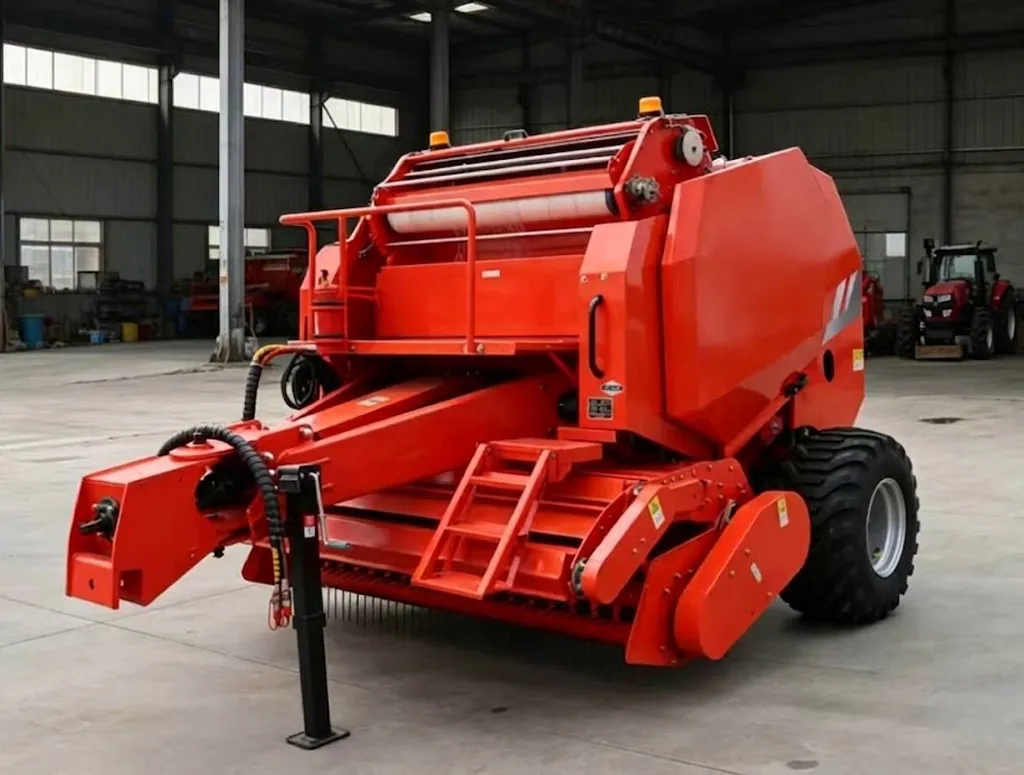
Manufacturing Structure and Cutting Mechanism Integrity
The internal manufacturing structure of any modern round baler is an intricately balanced ecosystem of high-speed moving parts, heavily and constantly reliant on the cutting unit’s sheer efficiency to maintain perfectly synchronized field operation. Within the advanced pre-chopping system, the high-speed rotor aggressively pulls the gathered crop windrow directly across a stationary, heavily reinforced bank of knives before swiftly feeding the processed material deep into the main bale-forming chamber. If these critical knives are neglected and allowed to dull, the delicate structural harmony of the round baler is immediately and violently broken. The heavy crop rapidly begins to hairpin awkwardly over the blunt metal edges, actively creating massive, impenetrable blockages that frequently trigger the emergency drop floor mechanism or, in far worse scenarios, severely and permanently jam the main intake rotor assembly. The heavy-duty manufacturing structure of the round baler machine framework is indeed brilliantly designed to withstand significant, continuous compressive forming forces, but it is certainly not intended to endlessly absorb the violent, unpredictable shock loads consistently generated by a chronically plugged feeding system. When the fundamental manufacturing structure is repeatedly forced to physically accommodate uncut, roping material, the tremendous mechanical back-pressure translates directly and destructively to the main drive bearings, the specialized heavy-duty roller chains, and the core structural steel cross-members. Keeping the knives meticulously and frequently sharpened definitively ensures that the incoming crop is cleanly sliced to the exact optimal length, seamlessly allowing the internal manufacturing structure of the round baler to effortlessly tumble and perfectly compress the chopped material into incredibly tight, uniform layers without experiencing any detrimental stress spikes that prematurely age and degrade the expensive machinery.
Advanced Material System for Edge Retention
Achieving and maintaining exceptional cutting edge retention in heavy agricultural processing tools fundamentally requires a highly sophisticated material system meticulously engineered to easily withstand extreme abrasive friction wear and violent, high-velocity impacts. The specialized knives heavily utilized in premium round baler applications are typically and carefully forged from highly specialized high-carbon alloy steel, which comprehensively undergoes a rigorous, deeply complex multi-stage heat treatment manufacturing process to achieve the absolute perfect balance between ultimate surface hardness and critical structural flexibility. A baling blade that is manufactured too hard will inevitably and disastrously shatter when violently striking unseen field debris like stones or heavy branches, while a blade that is left too soft will frustratingly lose its vital cutting edge after processing only a few short acres of highly abrasive, high-silica grasses. To effectively combat this ongoing challenge, the most advanced modern material systems often seamlessly incorporate specialized tungsten carbide surface coatings or utilize localized, high-intensity laser hardening techniques exclusively along the primary cutting edge. This highly sophisticated metallurgical approach guarantees that the internal round baler parts maintain their maximum slicing efficiency far longer than any standard traditional blades. However, it is crucial to understand that even the absolute most advanced material system currently available eventually succumbs to the relentless, punishing friction of continuous daily harvesting. When properly sharpening these highly specialized blades, maintenance technicians must always utilize the correct, slow-speed grinding techniques and apply generous cooling fluids to aggressively avoid destroying the steel’s critical temper. Overheating the delicate blade during basic maintenance permanently alters the molecular material system, completely ruining the factory heat treatment and tragically resulting in a ruined knife that will dull almost instantly upon returning to the demanding field, thereby completely defeating the entire purpose of this vital round baler maintenance procedure.
Advanced Techniques for Round Baler Application Optimization
Operating a high-capacity modern round baler application effectively in the field demands far more than just basic mechanical awareness; it requires a profound, highly detailed understanding of exactly how wildly varying crop conditions physically interact with the machine’s complex internal settings and sharp cutting surfaces. When rapidly transitioning from harvesting exceptionally dry, brittle wheat straw to aggressively baling heavy, deeply moisture-laden premium alfalfa, the seasoned operator must meticulously and completely adjust the round baler machine parameters to absolutely ensure optimal, uninterrupted performance. First and foremost, the front pickup reel height must be precisely and carefully calibrated to float effortlessly just millimeters above the uneven soil surface, effectively and cleanly gathering the heavy windrow without disastrously digging into the earth, which would instantly introduce highly abrasive stones and grinding dirt directly into the sensitive cutting mechanism and instantly dull the freshly sharpened knives. Furthermore, fundamentally understanding exactly what is round baler density control is incredibly crucial for long-term storage success. Advanced, highly modern units definitively allow operators to finely tune the internal core density entirely independently from the tough outer protective shell. For particularly wet or green crops, a slightly softer, breathable core actively promotes essential internal airflow, while the outer layers must remain tightly and aggressively packed to successfully shed heavy rain and fiercely resist environmental degradation. Additionally, operators carefully utilizing a highly versatile small round baler or a specialized, agile mini round baler must consistently pay extremely close, undivided attention to their specific driving and weaving patterns across the field. Weaving smoothly and methodically across the wide windrow absolutely ensures that the harvested material is fed perfectly evenly into both extreme sides of the bale compression chamber, definitively preventing the frustrating formation of barrel-shaped or severely lopsided bales that are incredibly difficult to stack safely and transport efficiently. By comprehensively mastering these advanced round baler application techniques and seamlessly coupling them with rigorous, uncompromising daily knife maintenance, dedicated farmers can consistently and predictably extract the absolute maximum possible financial value from their heavy agricultural equipment investments, entirely regardless of the exceptionally challenging environmental conditions they may frequently face during the intense, fast-paced harvest season.

Exploring Premium Round Baler Machine Solutions
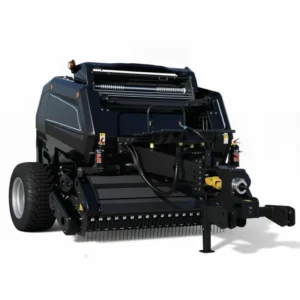
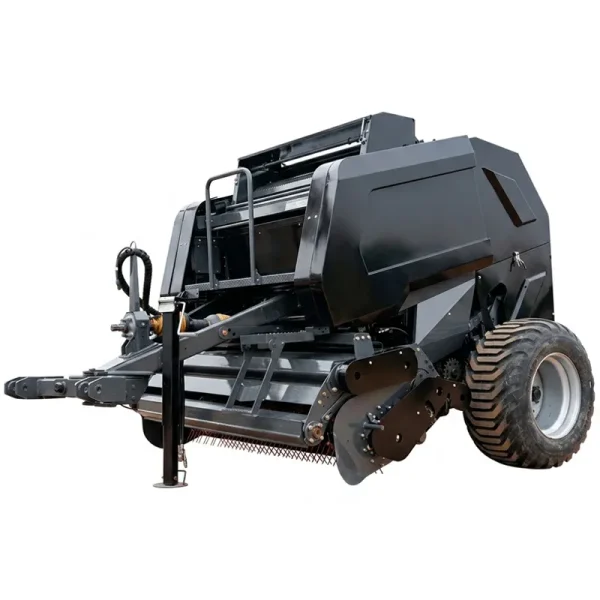
When proactively evaluating major capital investments in agricultural harvesting equipment, many forward-thinking producers frequently and extensively search the global market for premium round balers for sale near me in order to find highly reliable, impeccably engineered machinery that precisely and perfectly fits their specific operational scale, tractor horsepower, and unique geographic terrain. The rapidly evolving modern agricultural market currently offers a vastly wide, highly impressive spectrum of heavy equipment options, ranging extensively from massive heavy-duty commercial units explicitly designed for clearing massive acreage, to a highly specialized, incredibly nimble small round baler for 40 hp tractor setups utilized daily by intensive boutique farming operations. For instance, dedicated farmers actively operating in highly compact field layouts or navigating treacherous mountainous regions often carefully and heavily consider investing in a highly maneuverable caeb mini round baler or a rugged farm maxx mini round baler specifically due to their exceptional, peerless maneuverability in exceptionally tight, unforgiving spaces. Similarly, specialized municipal groundskeeping applications might even strongly necessitate a highly versatile mini hay baler for lawn mower attachment for maintaining pristine, immaculate estate management. While many legacy, older machinery brands currently attempt to dominate the global conversation, and countless buyers often instinctively look for a basic mini round baler for sale or a standard mini hay baler for sale from these established, older names, our highly innovative round baler machine designs offer incredibly compelling, vastly modern advantages in essential crop retention and sheer, brute mechanical durability. Independent, unbiased producers comprehensively and rigorously comparing our heavy-duty equipment against a traditional new holland round baler, a robust john deere round baler, a high-capacity krone round baler, or a widely recognized vermeer baler consistently and frequently note our vastly superior engineering execution, particularly within the highly sensitive crop pickup and cutting feed systems. Below are exceptional examples of our commitment to engineering perfection.
Comprehensive Support and Vital Replacement Components
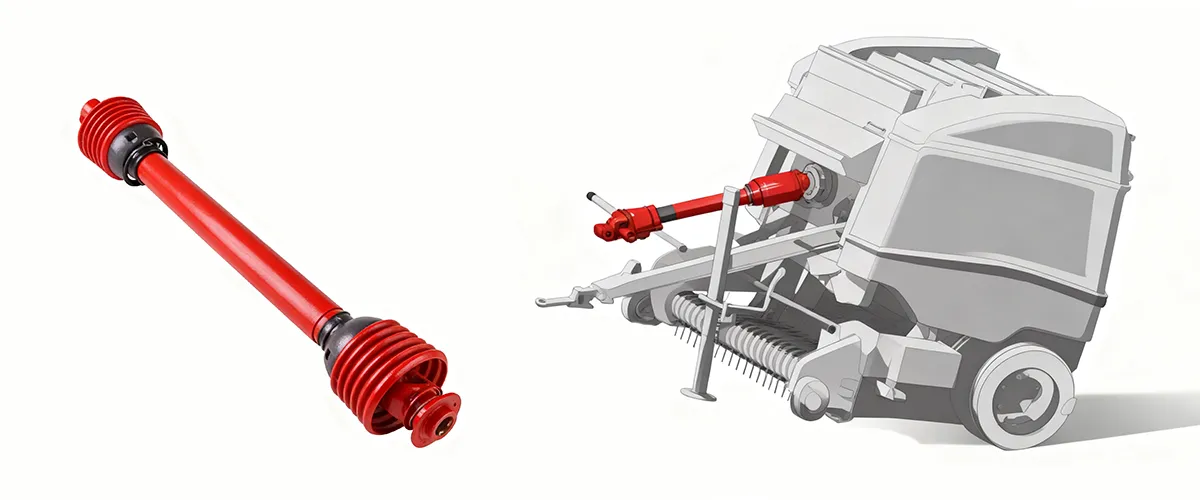
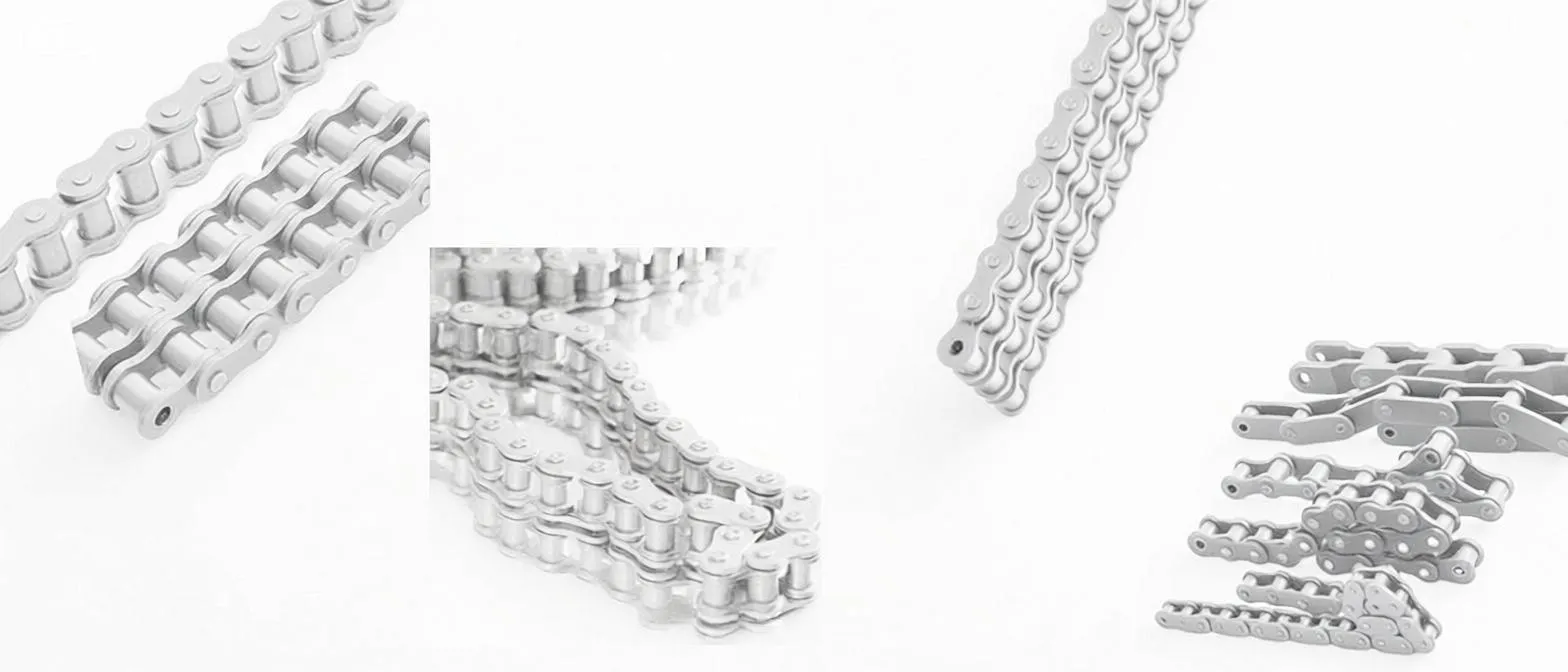
To strictly ensure your entire, highly expensive forage harvesting system consistently operates at absolute peak mechanical efficiency without suffering from devastating, incredibly costly seasonal downtime, we proudly manufacture, expertly assemble, and globally supply a truly comprehensive, elite range of premium accessories perfectly and exclusively designed to seamlessly integrate with any heavy-duty round baler. We heavily and constantly emphasize total mechanical system compatibility, actively offering a complete, rugged lineup of Agricultural PTO Shaft components and incredibly high-tensile Agricultural Chain systems to perfectly complement your primary baling equipment in the harshest fields. Furthermore, we confidently provide a full, heavily reinforced series of precision worm gear reducer units, absolutely ensuring completely seamless, uninterrupted power delivery across your entire heavy machinery fleet. By strategically choosing our deeply integrated, highly specialized one-stop service, you absolutely guarantee that every single moving component on your round baler functions in perfect, quiet mechanical harmony, decisively reducing extreme wear and tear on your sharp cutting knives while dramatically and noticeably boosting your overall field productivity during the absolute most critical, time-sensitive harvesting windows.
Frequently Asked Questions About Baler Maintenance
How often should operators inspect round baler knives during peak harvesting season?
A1. During the incredibly intense peak harvesting season, diligent operators should visually and physically inspect the round baler cutting knives at least once every single day, preferably during the morning maintenance routine before hitting the fields, to ensure absolutely no dulling or catastrophic chipping has severely compromised the critical cutting edges.
What specific tools are required for sharpening round baler parts safely onsite?
A2. Safely sharpening vital round baler parts directly onsite strictly requires a highly specialized, low-speed water-cooled grinder to aggressively prevent overheating the alloy steel, alongside heavy-duty protective leather gloves, CE-certified safety goggles, and a calibrated torque wrench for safely reinstalling the heavy blades into the main cutting bank.
Where can South Korean farmers purchase certified replacement round baler machine blades?
A3. South Korean farmers and commercial contractors can easily and reliably purchase fully certified, KOSHA-compliant replacement round baler machine blades directly through our authorized regional agricultural equipment dealerships or by securely ordering via our comprehensive, heavily stocked international online parts portal for rapid, expedited global delivery.
Which warning signs clearly indicate a round baler gearbox is struggling with dull knives?
A4. The most glaring, immediate warning signs that a round baler gearbox is dangerously struggling against severely dull knives include a highly noticeable, sharp burning oil odor, excessively hot external gearbox housing temperatures, intensely loud internal gear whining, and the tractor engine noticeably bogging down when pulling heavily into a thick, dense crop windrow.
When is it more cost-effective to totally replace rather than sharpen round hay baler blades?
A5. It becomes mathematically far more cost-effective to completely replace rather than attempt to salvage and sharpen round hay baler blades when the primary cutting edge has receded past the manufacturer’s deep wear indicator line, or if the blade has suffered deep, structurally compromising cracks from violently striking massive field rocks.
ایڈیٹر: PXY